

Feature
From Dowland to the Blues: Tuning time with Elizabeth Kenny
Share this

BY SIMON MUNDY | FIRST PUBLISHED 30 MAY 2026
𝄞 Why not accompany your reading with a specially curated playlist by Elizabeth Kenny for Continuo Connect?
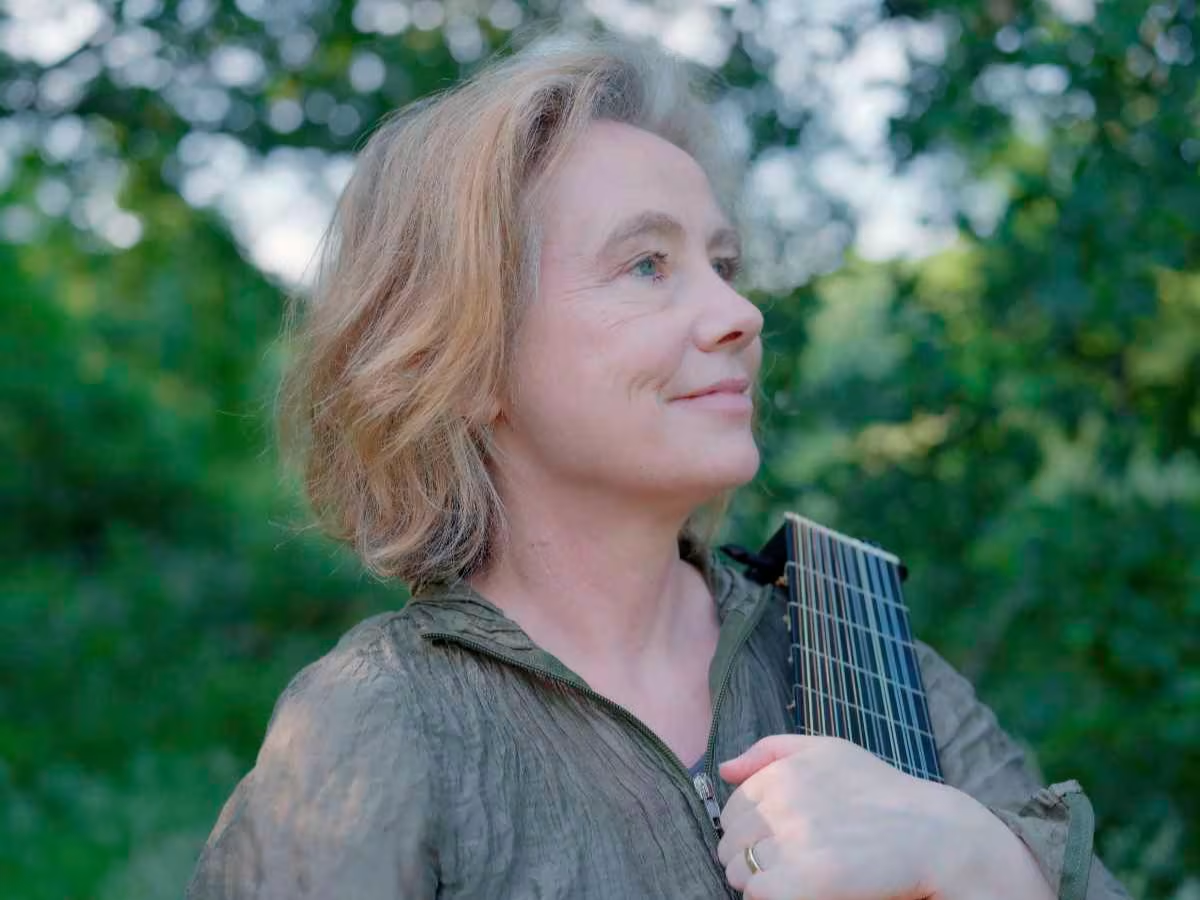
Lutenists are among the most versatile of musicians, covering many centuries of repertoire – more than those playing members of the violin family, for example – and swapping between instruments as and when the period, the role or the range dictates. Over the last 35 years, Elizabeth Kenny has encompassed almost all the variants the career and the instruments themselves have to offer.
‘I have about 15 lutes,’ she says, ‘but I don’t play all of them all the time. Collecting so many was never in the plan. When I started, I thought a lute is a lute. But of course that is not true. My earliest is a six-course instrument for 16th-century work and different continuo functions. At the other end from the big theorbo, I have a little treble lute in D, which I use for music from the early Masques. It’s about the pitch, the spread of sound, and the repertoire.’ Does she have a favourite? ‘That’s like asking which is my favourite child! If I’m at home, I’ll pick up a short one, but then, if it is for an event like the concerts with Rachel Podger and her ensemble, I think, “playing the theorbo is great!”.’
The very versatility of the lute was a problem early on, Kenny feels, because it meant she did not fit neatly into the convenient sales lines of the music industry. ‘In the 1990s, the business wanted to put me in a box, but I’m obstinate. I love the variety of work. I wish there were more solo recitals, naturally, but you also need to understand your role in a continuo group, and you need others, singers and ensembles, so that you can work on new ideas. That has always been the lutenist’s role. Dowland did the same. He played for and with everyone.’
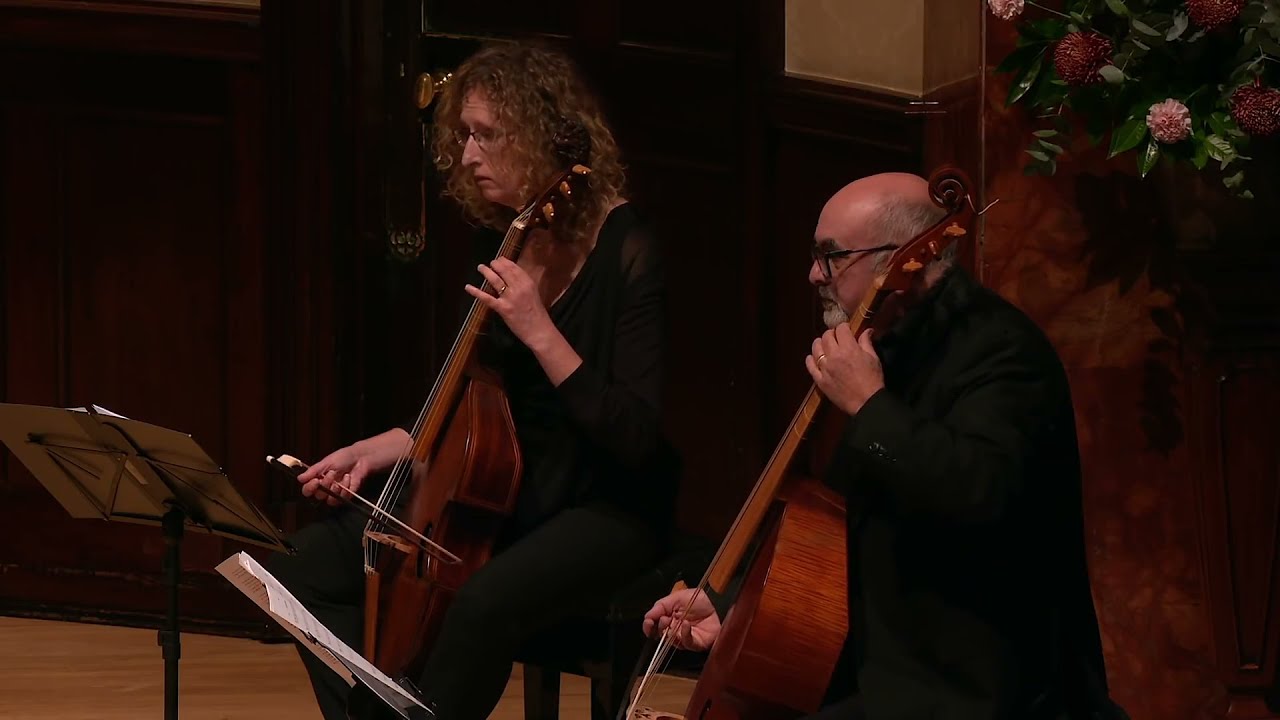 ▶
▶John Dowland ‘Lachrimae Amantis’ from Lachrimae or Seven Tears | Fretwork with Elizabeth Kenny at Wigmore Hall, 14 Oct 2020
John Dowland’s name is topical, because 20 February 2026 saw the 400th anniversary of his death. For this anniversary, Kenny revisited some of the works and partnerships that were formed for the 2013 celebrations around the 450th anniversary of his birth. With Fretwork, there were performances of Lachrimae, the suite of pavanes for five viols and lute he derived from his song, Flow My Tears, along with partnerships with Ian Bostridge and Mark Padmore. Kenny has also developed lasting links with tenors, including Ed Lyon and her main collaborator currently, Nicholas Mulroy. ‘We have a wonderful bank of things, but there’s always something new to explore.’
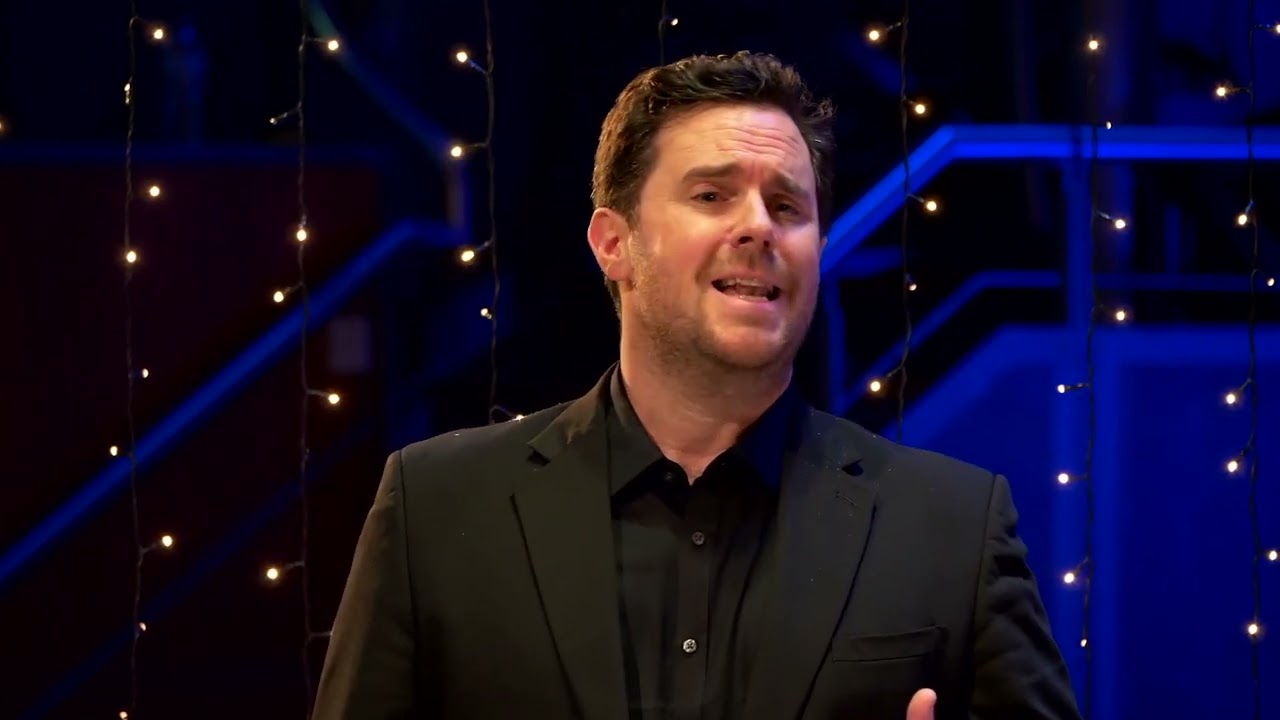 ▶
▶Tomás Méndez ‘Cucurrucucú paloma’ (1954) | Nicholas Mulroy, Elizabeth Kenny & Toby Carr (from their ‘Cubaroque’ programme) | Recorded at LSO St Luke’s, London on 19 Dec 2020 | Video courtesy of Baroque at the Edge 2021
She also enjoys working with the soprano Nardus Williams. ‘When we are putting concerts together, Nardus comes armed with meticulously-researched ideas and a strong imaginative framework for how to programme 17th-century music.’
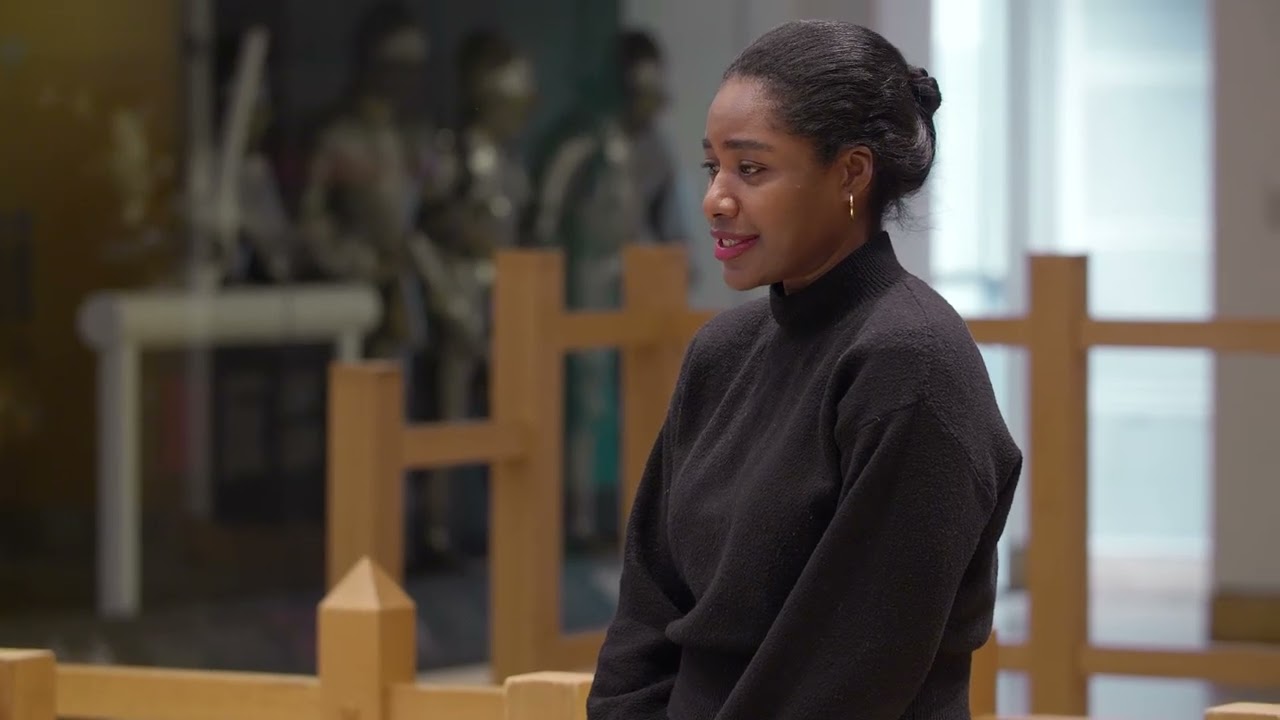 ▶
▶Nardus Williams and Elizabeth Kenny perform 'Flow my Tears' by John Dowland at the Royal Armouries Museum, Leeds
As a solo player, Kenny has most recently been exploring on record (Ars longa: Old and new music for theorbo; Linn Records, 2019) the work for the theorbo of Alessandro Piccinini, a lutenist from Bologna, a decade younger that Dowland. ‘He is an example of the lute player’s inverted view of the world,’ she admits. “‘There is lots of rewarding music that alternates, slipping between the Renaissance and the Baroque. He lets me explore what happens at the edge of repertoire periods.’
Alessandro Piccinini ‘Toccata III’ from Intavolatura di liuto et di chitarrone | Elizabeth Kenny
This brought our conversation round to the difference between London (Dowland, Campion, Lanier etc) and Italy. Was there really a difference between Monteverdi, with his incredibly rich orchestration, and the smaller context of Campion and Dowland’s songs? Kenny feels that in reality this says more about what has survived in print, usually for the domestic market. Tudor and Jacobean households also had rich patrons, who wanted lutenists in a bigger ensemble, just as they did in Mantua and Venice, but the publications were aimed at a wider market. ‘I had a chance, thanks to a three-year AHRC fellowship, to explore the join. What would we do if we filled out all the parts that were not published? Campion talked about “gapping”, inviting players or singers to fill in parts where there was a big gap between the treble and the bass. I became convinced there were similarities with this sort of practice and what was heard in Italy. It is the gap between the manuscript sources and printed ones. The question “how did they do that in 1620” is answered by the context of the performance: the theatre, the country house or the big court. In the European context, London and Italy were on consecutive pages.’
Just as much as the works from London and Italy, Kenny says, ‘lutenists are also obsessed with later 17th-century French music and the way they accompanied the singers’ French vowels. Having played for many years in Paris, I’m now taking students from the Royal Academy of Music to Paris for a week at the Conservatoire to put Lully, Purcell and Grabu together – a joyful celebration.’
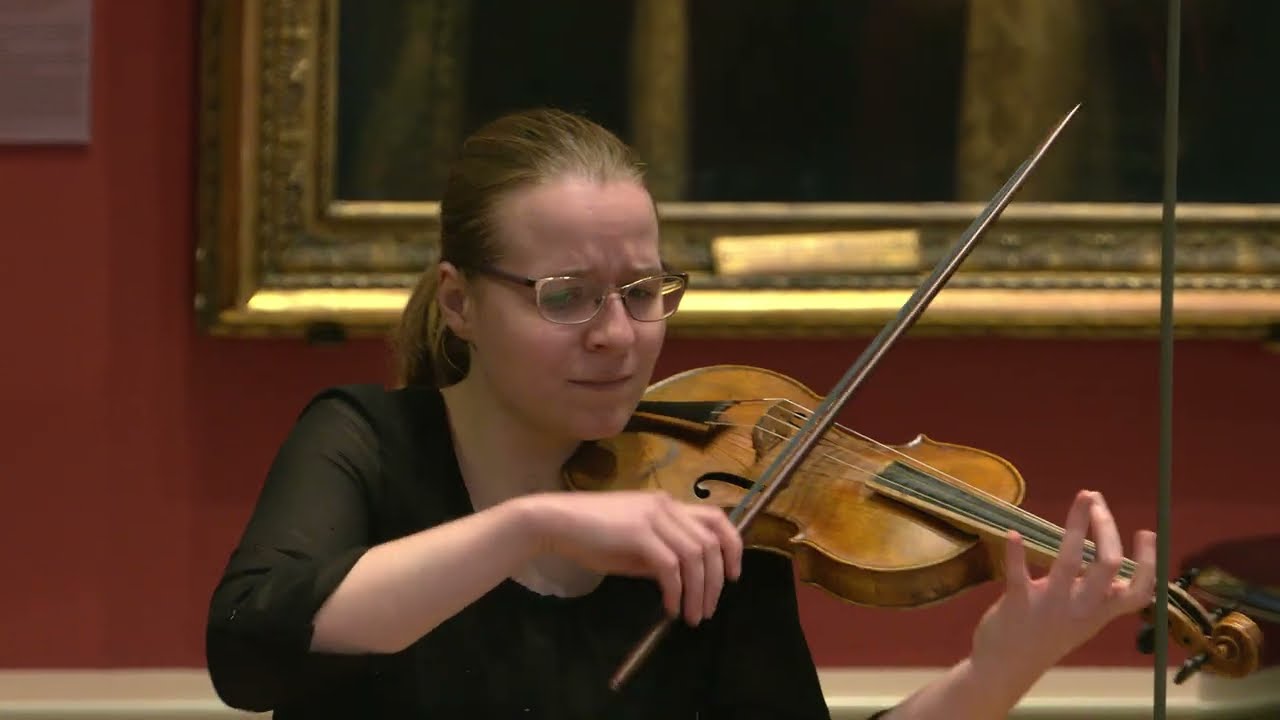 ▶
▶Academy Baroque Soloists perform Purcell's Fly, bold rebellion, Z324, directed by Elizabeth Kenny. This concert marked the second of three collaborations with the Conservatoire National Supérieur de Musique et de Danse de Paris. These programmes, a strand within the ‘Resounding Shores’ series, celebrate the relationship between French and English music in the latter half of the 17th century.
At the Academy, Kenny is not just a teacher of the lute and Early Music history. She has the much wider role of Dean of Students. The responsibilities this entails are deliberately vague. ‘It sort of encompasses everything in a managerial way – looking after the welfare team, widening access, overseeing the museum and library collections as well as doing academic teaching. After my AHRC fellowship ended, I went from Head of Early Music at Southampton University to Oxford, then came here to the RAM. I’m naturally a connector – that's what lutenists do – and so here I’m a bridge between the departments and the musicians.’ She feels that among students and staff, ‘there has been a big change in outlook since the COVID years. Students realise the narrow path to solo glory is more wobbly now. They are more interested in big-picture thinking, having much more varied careers and interacting much more with theatre and other art forms.’
 ▶
▶Accompanied by Elizabeth Kenny & The Theatre of the Ayre, tenor Ed Lyon performs Landi's famous Passacaglia della vita, where life and death are intertwined and become as one | Provided by Delphian Records
There are several upcoming opportunities to hear Kenny perform live in concert. On 21 June, she will reunite with tenor Nicholas Mulroy for ‘Who was John Dowland?’ at the Oxford Early Music Weekend. Earlier in the month (6 June), Kenny makes her duo debut with avant-garde vocalist Elaine Mitchener in a lunchtime concert at Wigmore Hall, ‘Songs, Airs & the Blues’, featuring works by composers and songwriters ranging from John Dowland and Barbara Strozzi to Bob Marley and Joni Mitchell, from Tudor composer Robert Johnson to his ‘blues maestro’ namesake.
Further dates include the closing performance of the Dowland 400 Festival in Norwich with Fretwork (26 July), and a new programme with Nardus Williams exploring the notion of melancholy at London’s Smith Square Hall (30 October).
Visit Elizabeth Kenny’s Continuo profile for the concert details. You can also enjoy a filmed performance of Spiritato’s programme, ‘Music to her Majestie: Odes for the last Stuart’, guest-directed by Kenny from the lute.
Share this
Keep reading
In conversation: Samuel Ng
Continuo Connect catches up with Samuel Ng, cellist and gamba player with the newly formed Republic of Viols and Liturina.

JS Bach, and a cabinet of curiosities: Jorge Jiménez
Violinist, director and composer Jorge Jiménez talks to Simon Mundy about his latest album Curiosa: Lost & Found Tunes, his new Bach weekend in Ipswich, and his freelance career balancing life in rural Essex with regular work in Spain.
Playlist: Continuo Patrons
A playlist of tracks by Continuo Foundation Patrons Mary Bevan, Emma Kirkby, Rachel Podger and Ashley Solomon in celebration of the UN International Day of Charity.