
Sidetracks
Handel: ‘Lascia ch’io pianga’ from Rinaldo
Share this


SIDETRACKS: In this series, Continuo Connect takes the scenic route through the Early Music repertoire, exploring pivotal works and the surprising stories that travel with them.
It is hard to imagine that after the 1731 revival of Rinaldo (1711), Handel’s most performed opera in London was not heard for two hundred years.
Set during the 1099 siege of Jerusalem, the plot follows the Christian knight Rinaldo, in love with Almirena, daughter of the First Crusade’s leader. When the sorceress-queen Armida abducts her, chivalric courage (with some magical aid!) enables Rinaldo to defeat evil forces, rescue his lover, and secure victory and romantic reunion.
Act III contains Almirena’s aria, ‘Lascia ch’io pianga’, which has become one of Handel’s best-loved opera extracts in the repertoire of every fine mezzo-soprano and countertenor. ‘Leave me to weep,’ Almirena sings to her captor, ‘about my cruel fate and let me sigh for my liberty.’
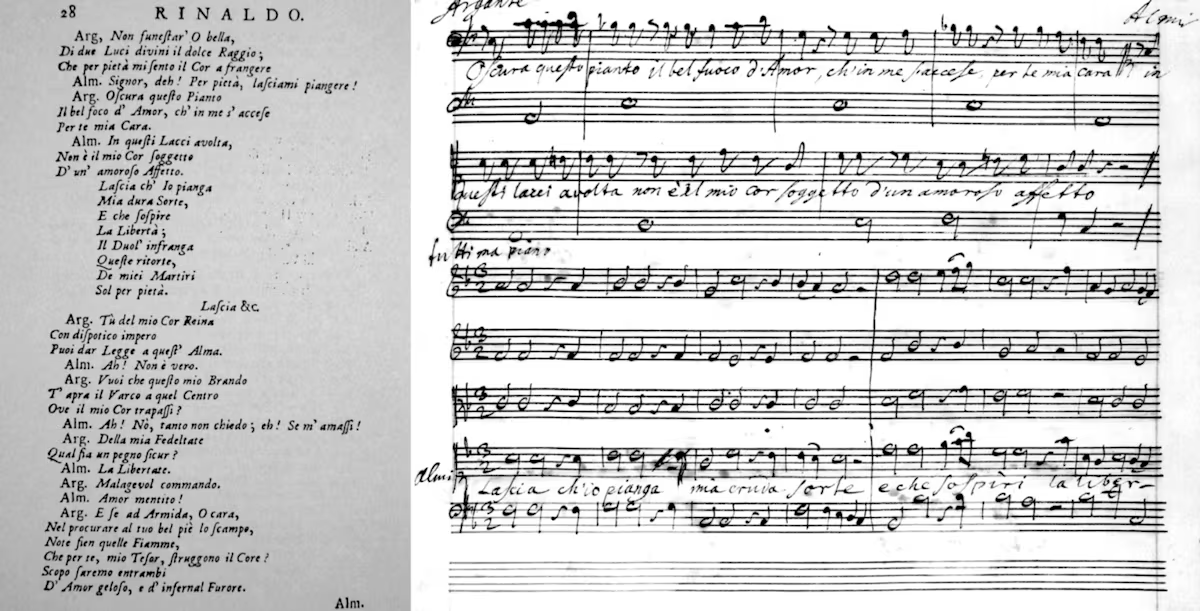
The melody is not only deeply beautiful; it epitomises exactly what the Camerata, the intellectual circle of poets and musicians in Florence (including the lutenist Vincenzo Gallileo [father of the astronomer] and composer Jacopo Peri), followed by Monteverdi and the poet Giulio Strozzi in Venice, had been anxious to achieve a century before. They wanted sung music to move from the labyrinthine mannerism of Renaissance polyphony, where the words were subordinated to the virtuosity of the mingling voices, to something more uncomplicated, where the passion was direct and the words intelligible.
In 1706, at the age of 21, Handel left Hamburg for Italy, where he spent four years immersing himself in the opera traditions of Venice and the secular cantata tradition in Rome and Florence (the Popes, who did not rule Venice, had banned opera in their jurisdiction). His achievement was to combine the simplicity of his Lutheran background with the free-flowing emotion of Italian Baroque. ‘Lascia ch’io pianga’ is the perfect example of that. It is a model of a song form that still influences ballad writing today.
Enjoying L'ascia ch'io pianga? Check out our Handel Opera Arias playlist to discover more like this!
When it was heard at the Queen’s Theatre in the Haymarket (now His Majesty’s Theatre in its late 19th-century rebuilding), the aria and Rinaldo itself were an immediate hit, though the whole project was satirised by the nationalist press, led by Joseph Addison and Richard Steele, in The Spectator on 6 March 1711, which saw the Italian artistic influence as ‘degenerative’.
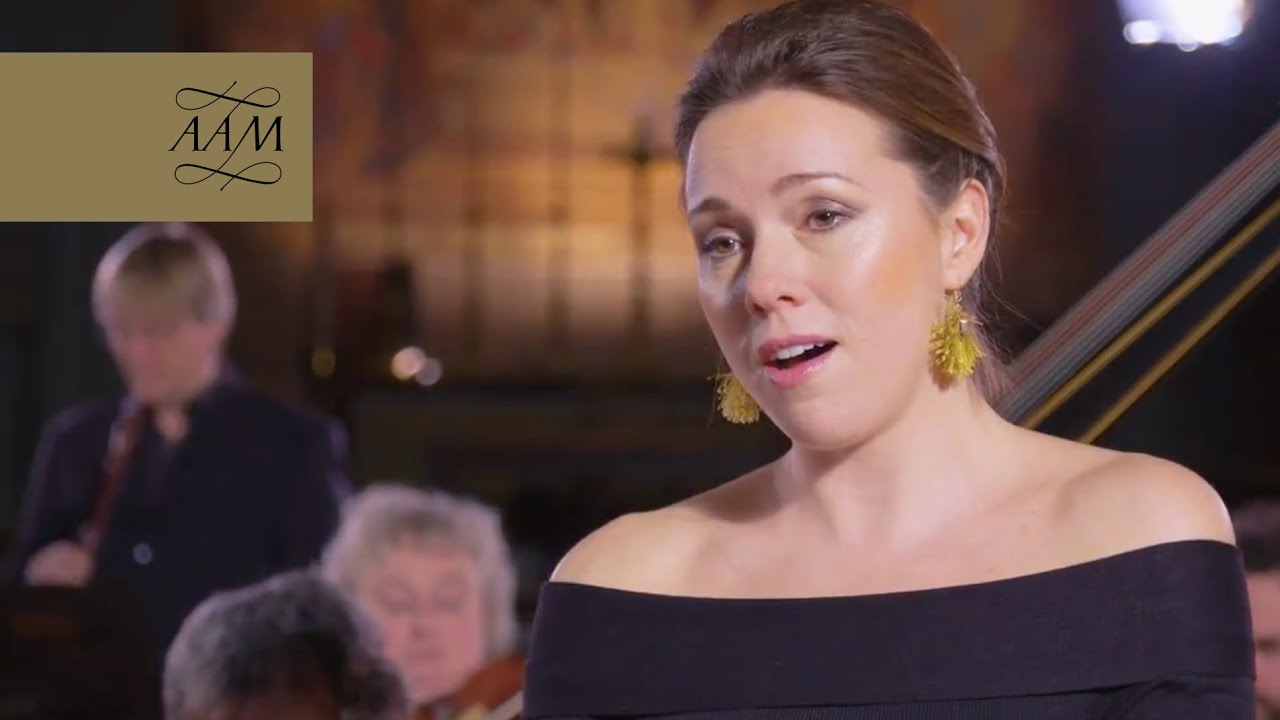 ▶
▶Mary Bevan sings ‘Lascia la spina’ with Academy of Ancient Music
The aria’s appearance in Rinaldo was not its first. Handel had come up with the tune in 1705 and then used it again in part 2 of his first oratorio, Il trionfo del Tempo e del Disinganno (‘The Triumph of Time and Disillusion’). In this version, it has slightly different and less intense words, beginning ‘Lascia la spina, cogli la rosa’ (Leave the thorn, pluck the rose).
Il trionfo, only a few numbers later, also includes another of Handel’s most magical inventions, the concluding recitative and aria, ‘Pure del cielo intelligenze eterne’ (Pure and immortal beings of heaven), often known by the opening aria line, ‘Tu del ciel ministro eletto’ (Elected minister of heaven).
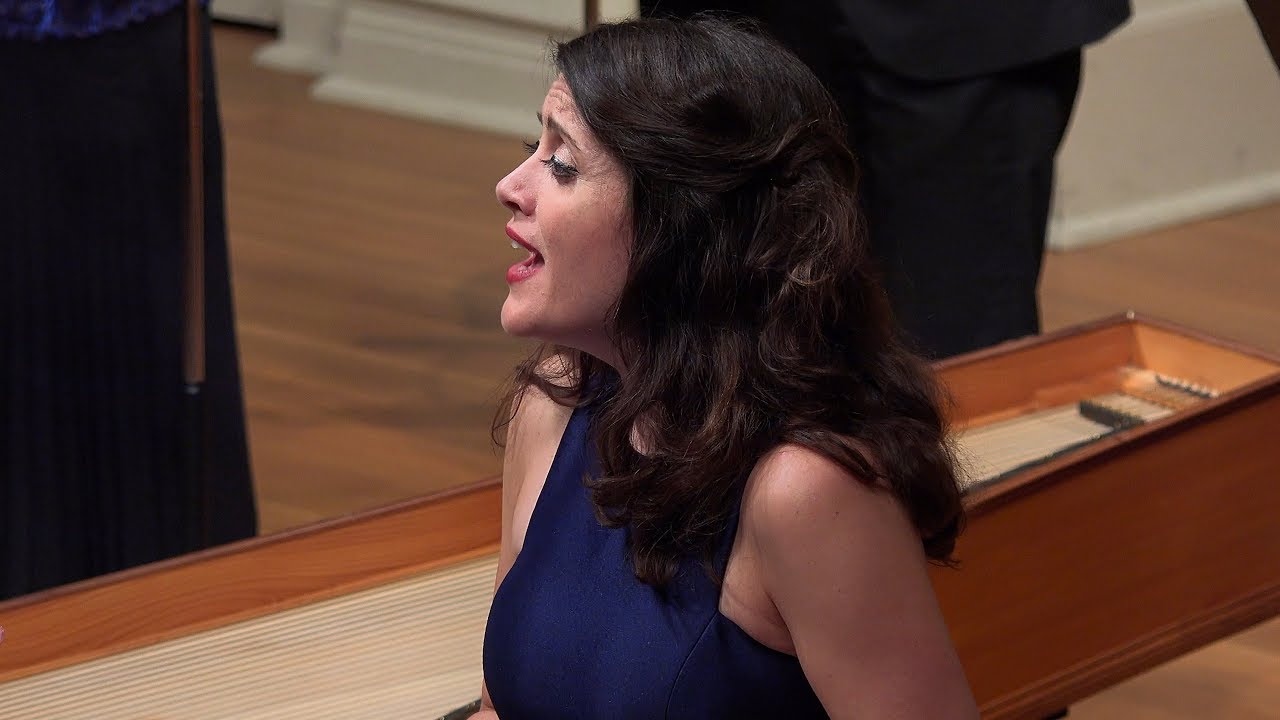 ▶
▶Amanda Forsythe sings ‘Pure del cielo intelligenze eterne… Tu del ciel ministro eletto’ with Voices of Music, San Francisco
In the 1711 version for Rinaldo, Handel blended the simple elegance and the agonising lyricism of the latter two to create the utter genius of ‘Lascia ch'io pianga’.
DID YOU KNOW?
Farinelli (1994), Gérard Corbiau’s Golden Globe-winning Italian-Belgian-French film, features ‘Lascia ch’io pianga’ at a pivotal moment in the highly fictionalised plot. Its popular soundtrack, directed by Christophe Rousset and performed by Les Talens Lyriques, used a studio experiment with Institut de Recherche et Coordination Acoustique/Musique to digitally blend the voices of countertenor Derek Lee Ragin and soprano Ewa Mallas-Godlewska, attempting to recreate the lost sound of a castrato.
While the result was deemed technically seamless, the reception was mixed, especially when compared with celebrated standalone performances of the aria.
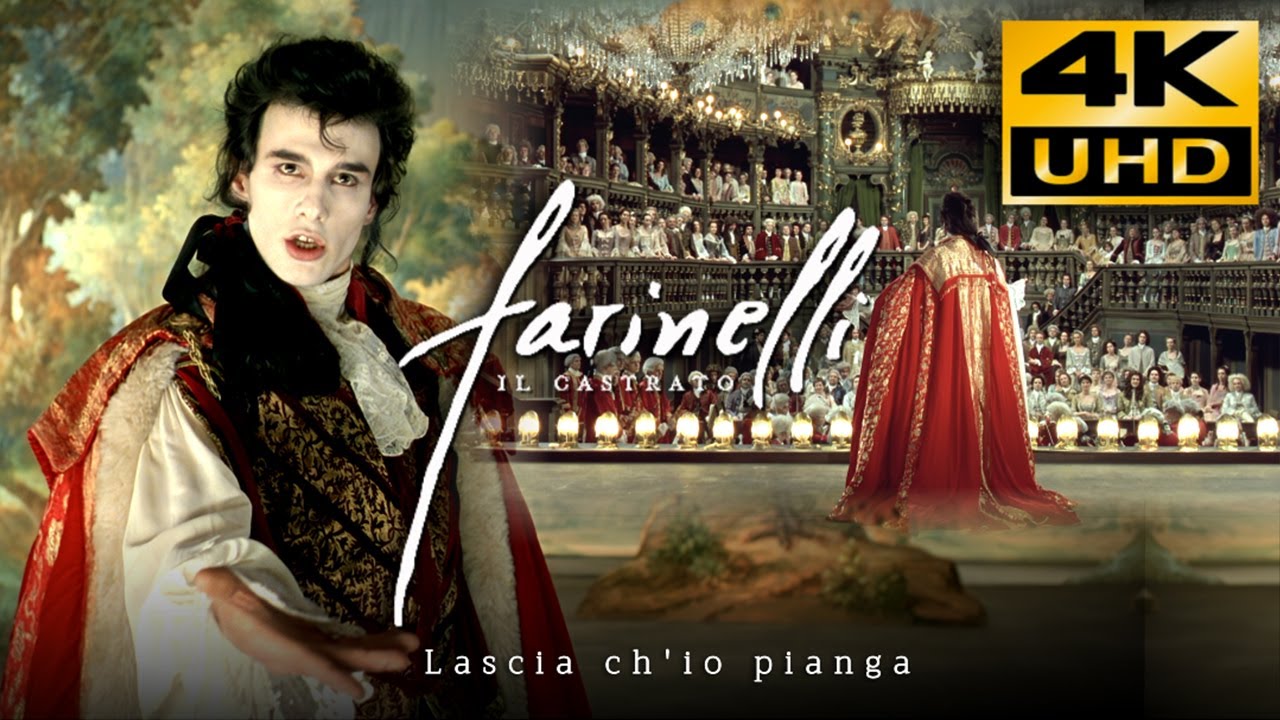 ▶
▶Italian actor Stefano Dionisi portrays the castrato singer Carlo Broschi, famed as Farinelli, in Gérard Corbiau's 1994 film. In this scene (not for the faint of heart), he sings 'Lascia ch’io pianga' after learning, allegedly from Handel, the reason his brother had him castrated
Lead video: Joyce DiDonato sings ‘Lascia ch’io pianga’ with Il Pomo d'Oro.
Share this
Keep reading

Hugh Cutting: a countertenor in counterpoint
Countertenor Hugh Cutting talks to Continuo Connect about the physical joy of singing, Bach’s gifts to the countertenor and his determination to make music from the past speak to the present.
In conversation: Bolette Roed
Continuo Connect talks to the Danish recorder player Bolette Roed about her group, the Elephant House Quartet, and Copenhagen Baroque Festival.
Playlist: Birds in Early Music
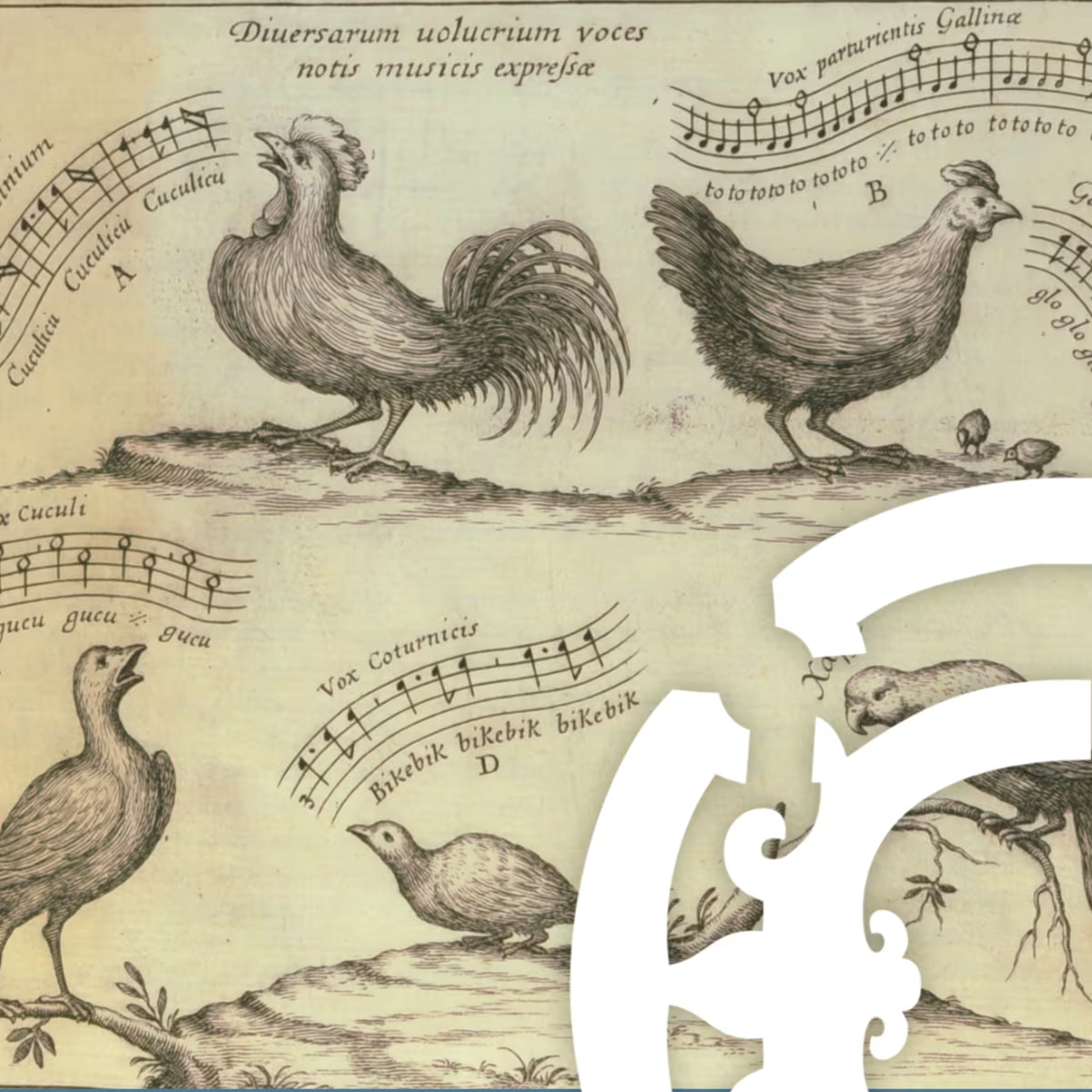
A playlist that explores how birds and birdsong inspired composers from Rameau and Couperin to Handel and Haydn and beyond.