
Feature
Spiritato: music out of boundless curiosity
William Russell & Kinga Ujszászi on the ensemble’s latest research
Share this

BY SIMON MUNDY | FIRST PUBLISHED 8 AUG 2026
Spiritato is a period-instrument ensemble with a love for little-known repertoire. Producing unique, research-based performance projects, avoiding well-trodden paths wherever possible, the ensemble actively seeks to promote forgotten composers and bring their music to a wider audience. In this interview, founder William Russell and director Kinga Ujszászi discuss the curatorial ideas behind their next major projects – from the founding of Britain’s oldest musical charity to planetary explorations.
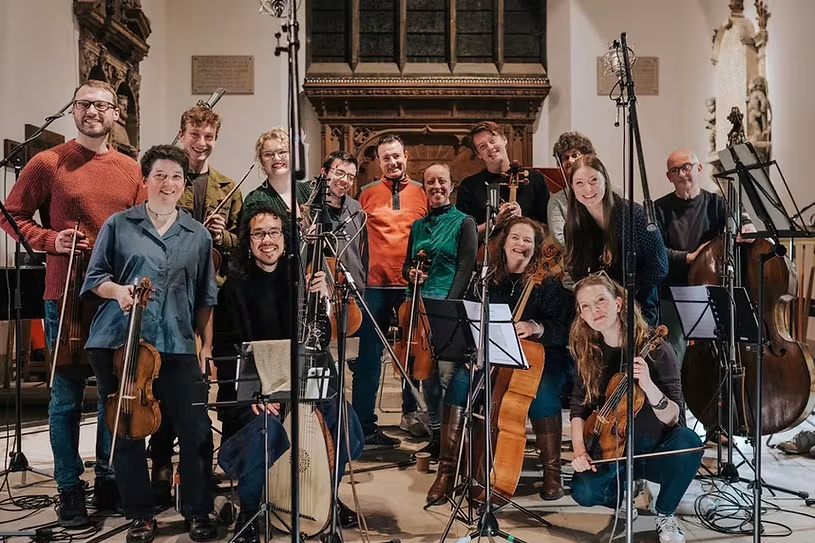
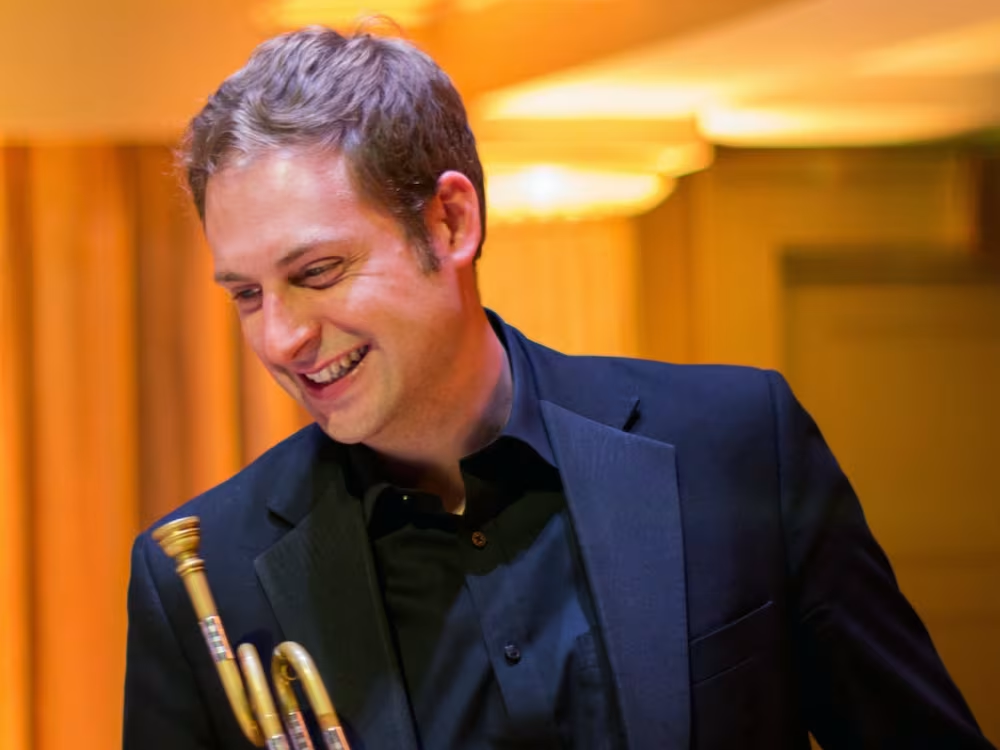
When one thinks of period-instrument ensembles coming together, the motivator – as often as not – is a recorder player or violinist. It is much rarer, unless the ensemble is mainly brass, for the initiative to come from a trumpeter. That though, is the case with Spiritato; its founder being trumpeter William Russell. ‘We started Spiritato 18 years ago, which is amazing. We started quite small, giving concerts in City of London churches. It was good training for how to build a programme and run a group. The majority of us came from the Royal Academy of Music, though I had been studying at the Guildhall. Through cellist Alice Manthorpe Saunders, I met everyone. Our college group has stayed together.’
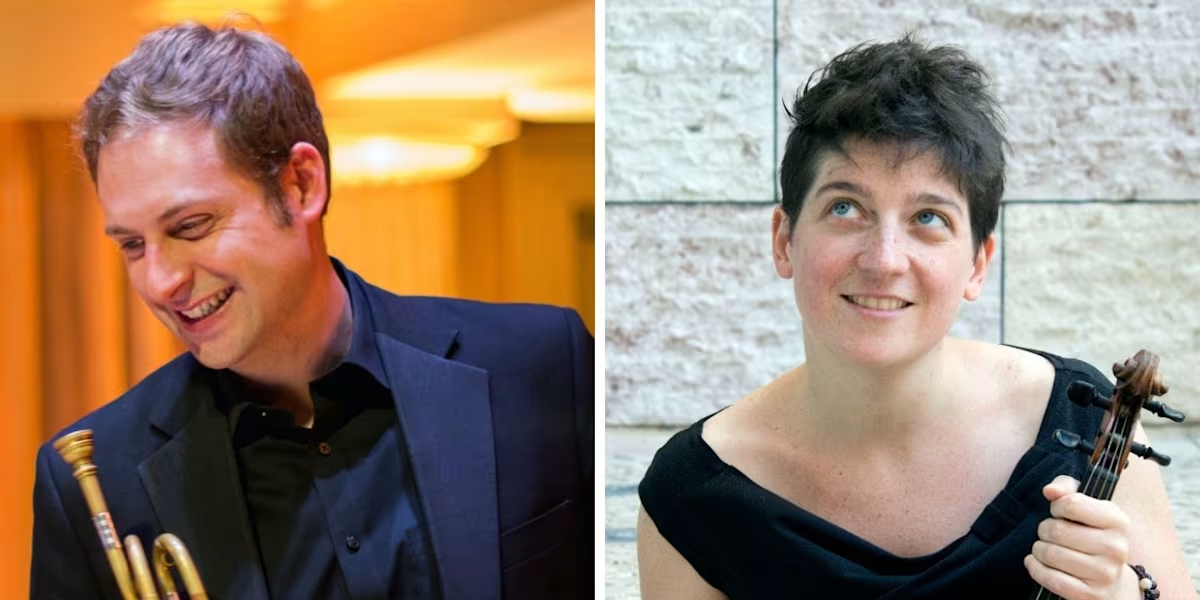
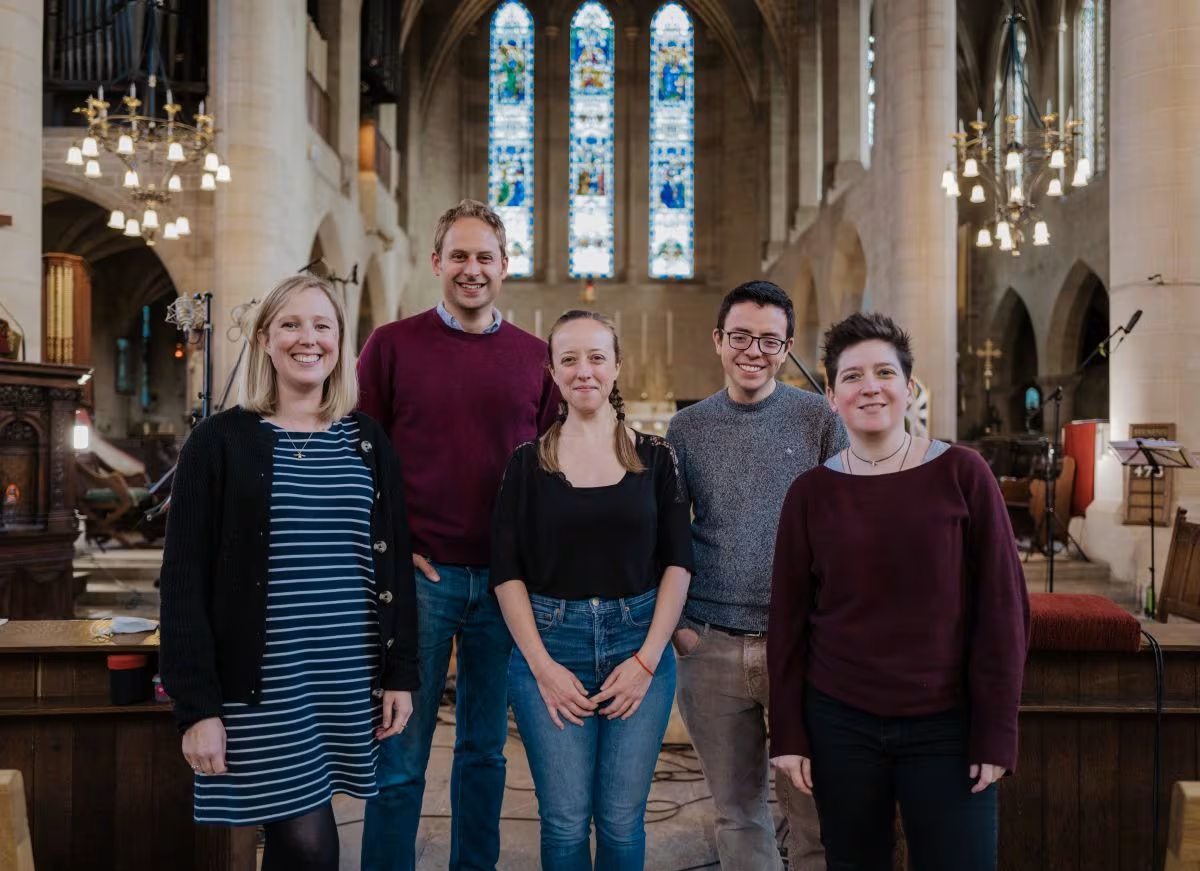
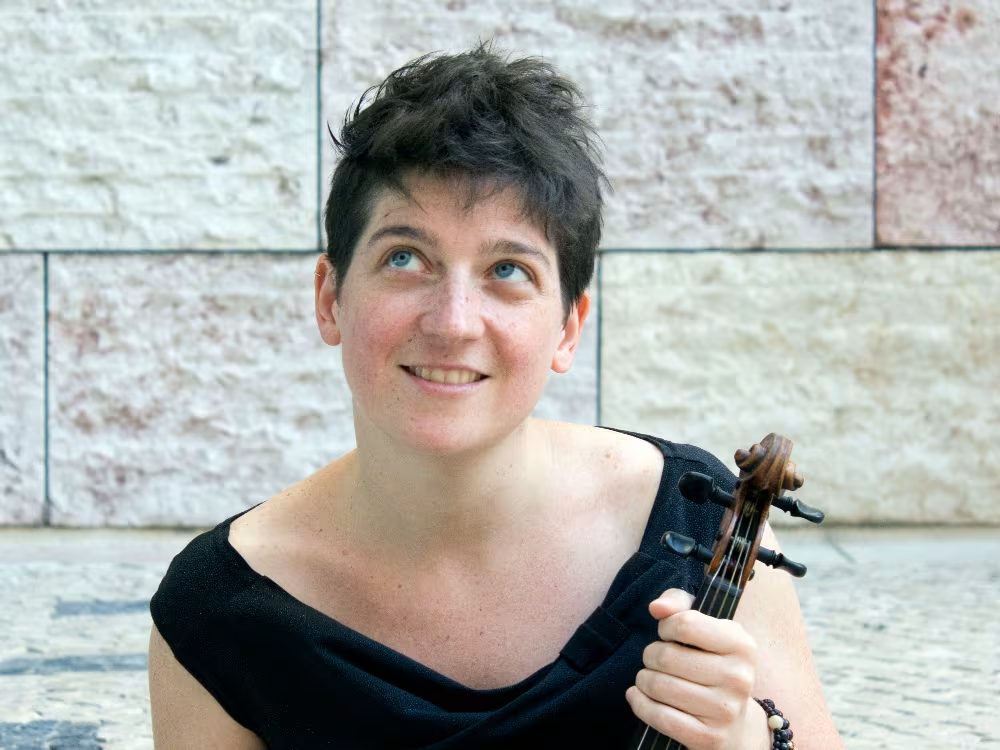
That core group includes Kinga Ujszászi (violin), Joanne Miller (viola) and Nicolás Mendoza (harpsichord) as well as Will and Alice. Kinga is Director, and alongside Will, is crucial to the group’s research and programme planning. ‘We’re always hunting for new avenues to explore, and the more variety that brings to our line-up, the better’ says Kinga. ‘I still believe in Spiritato being a group of a few core players who actually run things and build the programmes, then expanding when we want to.’ Will adds, 'our Sonatas from the Düben Collection disc is a great example of this, almost every track has different forces, but they all come from the same incredible source.’
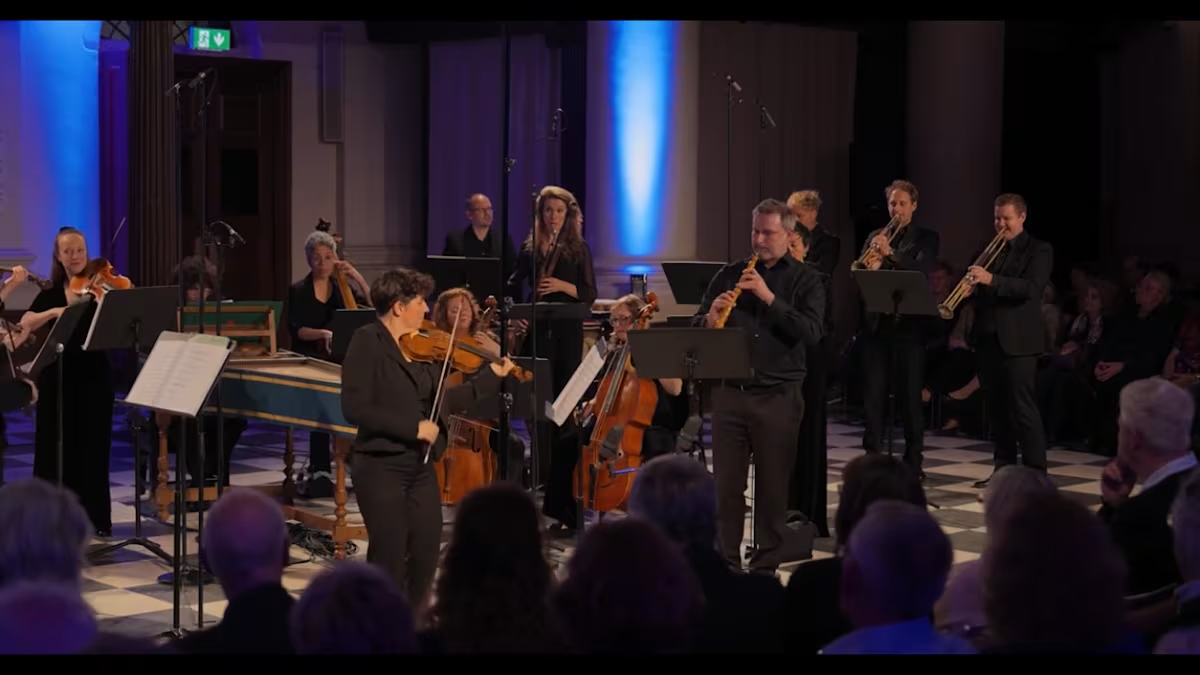
The expansion is these days more the rule than the exception, though Will computes that, ‘when I look at the projects over the last decade, about 80% of the players have been the same, so the larger group is pretty stable’. This wider ensemble took hold when they performed and recorded Daniel Purcell’s entry to the competition to set William Congreve’s 1701 semi-opera libretto for The Judgment of Paris. The competition was well worth winning, with a prize of 100 guineas (the equivalent of around £18,000 now). John Weldon won, John Eccles came second (50 guineas), Daniel Purcell third (30 guineas) and Gottfried Finger fourth (20 guineas). ‘Recording the Purcell put us on the map,’ says Will. ‘I made the edition and as it was on such a grand scale, we jumped from being a small chamber group to a 50+ orchestra.’ ‘And we’ve gone on in that way,’ Kinga adds, ‘always looking for and editing something unknown found in a library.’
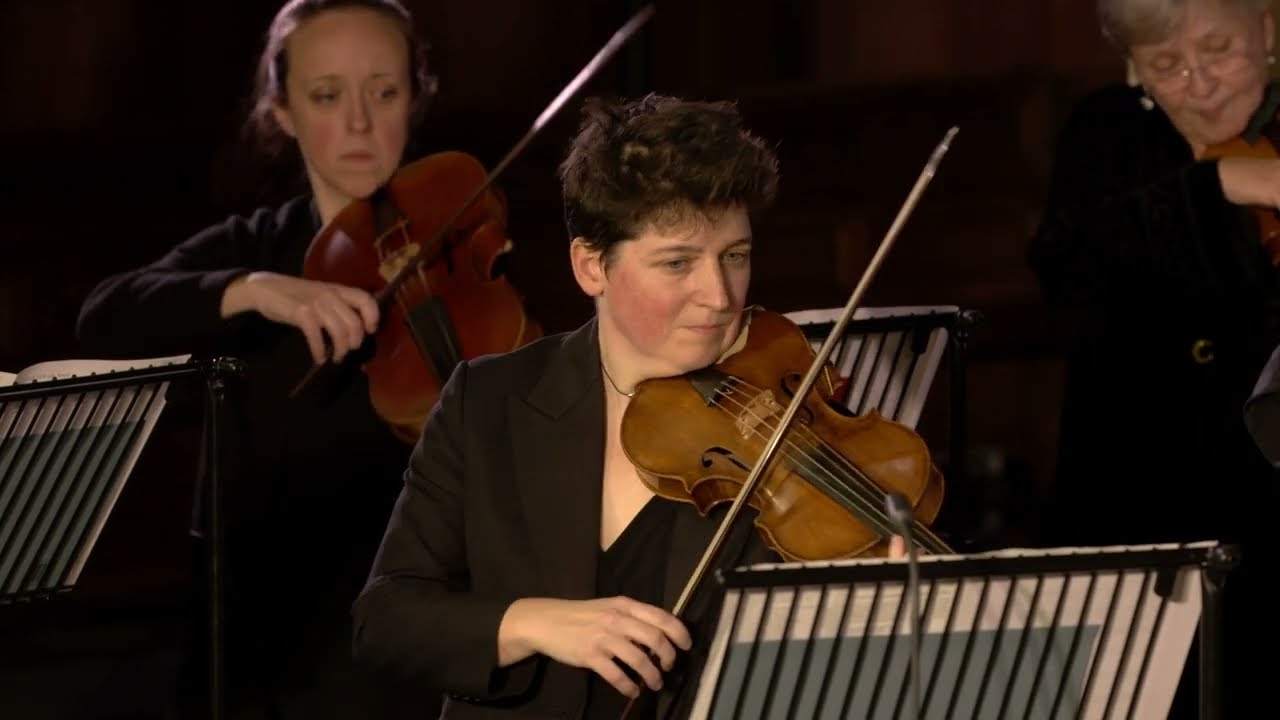
Spiritato & Julian Perkins | The Trumpet Sonata from Daniel Purcell's The Judgment of Paris
‘Audiences are open for it,’ Will has found. ‘As long as you can put something familiar in front of them as well as the unknown, you can push them to widen their listening and become more inquisitive. In our Music to her Majestie collaboration with Elizabeth Kenny, supported by Continuo Foundation, we combined music by Handel and Purcell with that of John Eccles. We often think of music fitting into an exact period but we forget that John Eccles wrote for four monarchs as Master of the King and Queen’s Musick’: William III, Queen Anne, George I and George II. Eccles was a musician in the King’s Private Musick from 1694, so would have played for Queen Mary, was composer for Drury Lane from 1693, and he and Purcell contributed the music for D'Urfey’s Don Quixote. ‘I feel even more committed to our original idea now. I always wanted to explore English music that was not being performed. It was partly because as a trumpeter my concert bookings were based around just five or six pieces.’
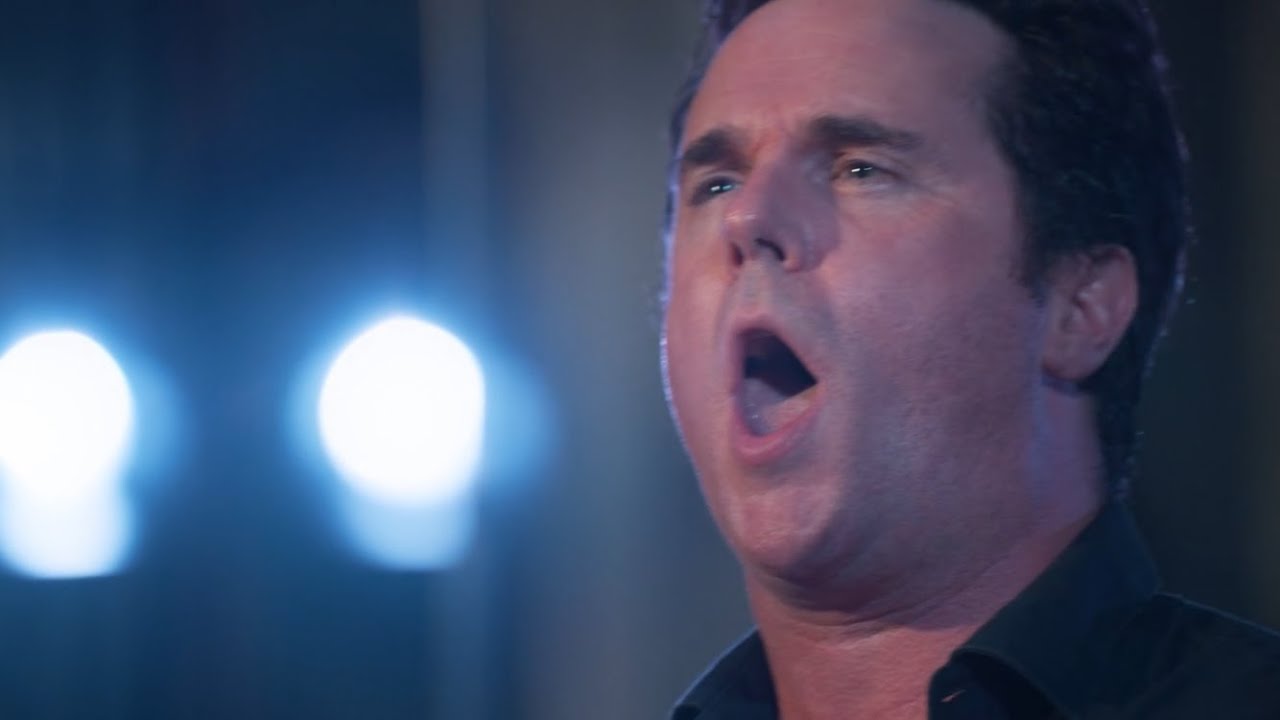 ▶
▶Spiritato with Nicholas Mulroy (tenor) & Elizabeth Kenny (lute) | Handel: ‘Eternal source of light divine’ from Ode for the Birthday of Queen Anne, HWV 74
‘Our Handel programme, Handel and The New Society, celebrates founding members of the Royal Society of Musicians, including Boyce, Arne, Greene and Festing. We’re also looking at Concerti grossi by Pietro Castrucci, one of the first beneficiaries of the Fund for Decay'd Musicians,’ as the Society of 228 founders was called originally. ‘Thanks to Kinga’s research and editions, we have recently recorded the complete Concerti grossi, Op. 3, and are really excited to be performing this rare music again, live in our concerts. We try to make the programmes considered and curated, not thrown together. I want it to feel as if you were visiting an exhibition in the British Library and listening to the result.’ This programme will be heard in Handel’s church, St George’s Hanover Square, just round the corner from his house in Brook Street (3 November), and at the York Early Music Christmas Festival (8 December).
Kinga says, ‘I love the research process, finding and editing the manuscripts and then challenging audience expectations.’ Her next venture for Spiritato is The Planets Pre-imagined, which they will perform at Brighton Early Music Festival on 3 October. ‘I’ve based the programme on Holst’s astrological approach,’ says Kinga. ‘Rather than choosing music connected to the ancient deities after which the planets are named, I’ve selected works that reflect the archetypes, characters and emotional qualities that Holst associated with each planet.
‘We begin with Rebel’s Les élémens, representing the planets emerging from chaos. As some of the planets hadn’t yet been discovered in the 18th century, I’ve taken a few creative liberties. I’m also including a piece by William Herschel, who discovered Uranus. Although it was written a little later than the rest of the programme, it would have been a missed opportunity not to include music by the astronomer-composer. The ‘Planets’ will be represented by music from Kerll, Rameau, Blow, Handel, Herschel, Fischer and even Castrucci, so it will be a real showcase of characters and emotions. To connect the different works, as we are travelling through space between planets, I’m using a simple, haunting, lullaby-themed ground bass by Merula, built on a single semitone step. I hope the audience feels as though they’ve journeyed through the cosmos and spent the evening gazing up at the night sky.’
 ▶
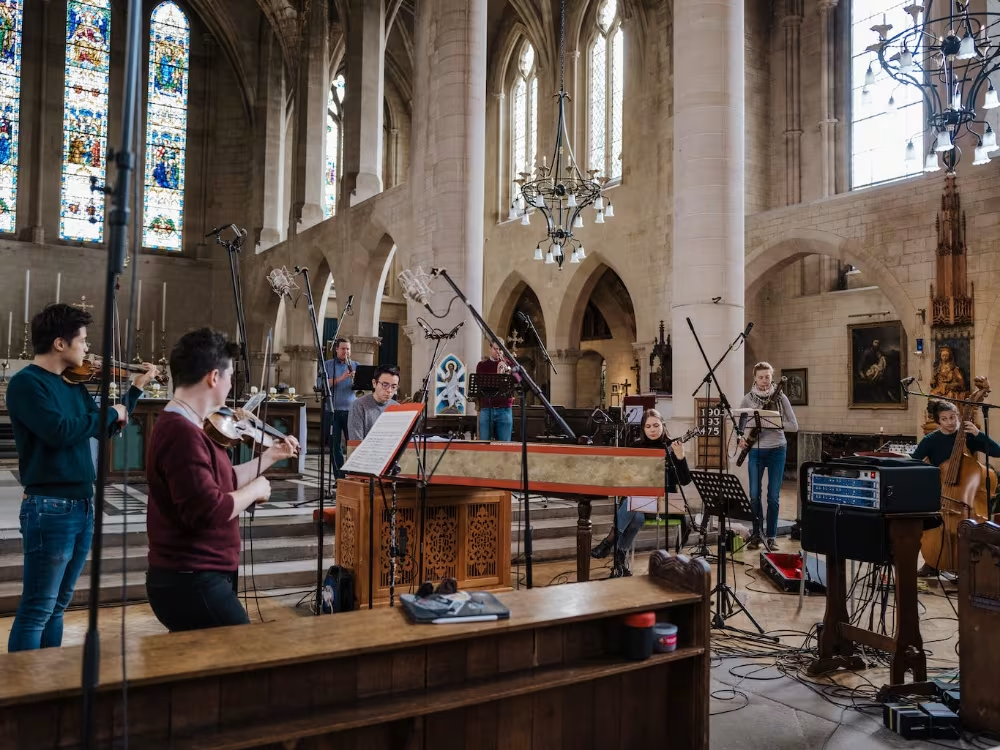
▶Spiritato & The Marian Consort | Johann Christoph Bach: Cantata ‘Es erhub sich ein Streit’
For next year, Will and Kinga are looking at a third part of a project featuring equal-tension strings and natural trumpets without fingerholes. ‘The first part,’ Will concludes, ‘was mostly Biber and Smeltzer (‘Guts + Glory’), the second the early Bach family and Pachelbel (‘Inspiring Bach’), and this third part uses the 1727 coronation music for George II by William Boyce, who wrote all of it except Zadok The Priest’.
Spiritato’s forthcoming album of Castrucci’s complete Concerti grossi will be released soon on Delphian Records. ‘The Planets Pre-imagined’ programme can be heard at Brighton Early Music Festival in October. Both were supported by grants from Continuo Foundation. Later in the year, the ensemble will present 'Handel and The New Society' at the London Handel Festival and the York Early Music Christmas Festival (on sale mid-August). To find out more about the concert details, visit Spiritato's Continuo Connect profile page.
Share this
Keep reading
Exploring the golden age of the ‘City of Dreams’
‘City of Dreams’ is an exploration of two centuries of Renaissance Florence at Brighton Early Music Festival. We spoke to Oliver Webber, founder of Monteverdi String Band, and writer Saria Steyl about how the project came together.
Playlist: Birds in Early Music
A playlist that explores how birds and birdsong inspired composers from Rameau and Couperin to Handel and Haydn and beyond.
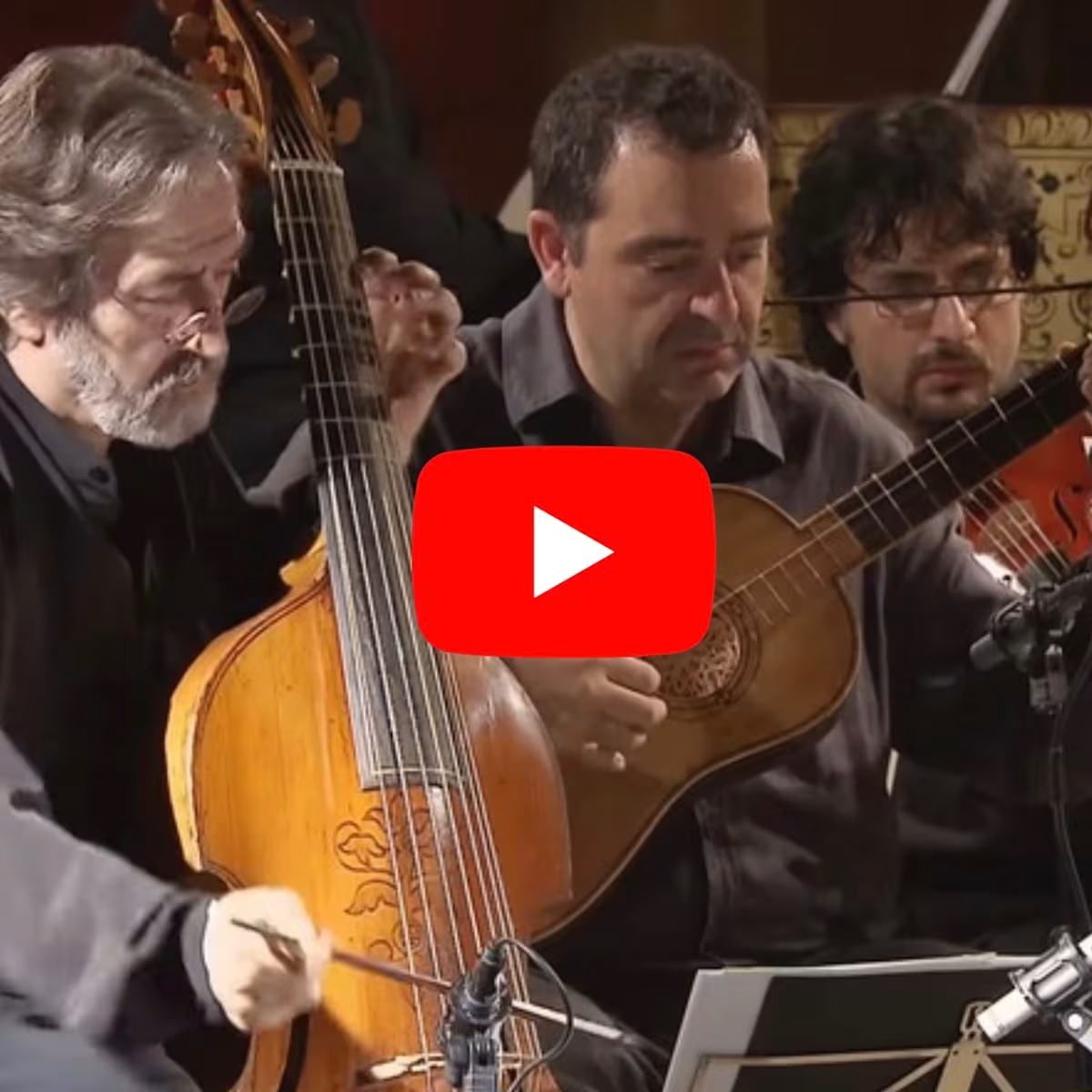
Jordi Savall & Le Concert des Nations | Le concert spirituel
Jordi Savall and his orchestra Le Concert des Nations held this special 'Concert spirituel' during the 2010 Festival Musique et Histoire in Fontfroide Abbey, in Narbonne, France.