

Feature
The Present State of England (1692)
Dr Stephen Coles on the history of Saxon Shore Early Music Kenardington
Share this

BY SIMON MUNDY | FIRST PUBLISHED 30 OCT 2026
For more than half a century, Dr Stephen Coles has run a second career alongside medicine, organising almost 350 concerts across the Kent countryside. From fundraising for medical equipment to founding one of the South East’s premier Early Music festivals, Simon Mundy looks at a life spent bringing world-class music and musicians to small rural churches.
There are many musicians whose PhD allows them to prefix their name with ‘Dr’, though few have juggled the two professions of medical doctor and high-quality musician and impresario as expertly as Dr Stephen Coles. He started by directing choirs, performing on the organ and harpsichord and, subsequently, devising festivals for nearly sixty years, involving some 335 events to date.
His two roles began almost simultaneously in the mid-1960s when he went to a service in St Paul's Covent Garden by the Renaissance Singers and their director, countertenor John Whitworth. Afterwards they all reconvened in the Lamb and Flag pub (a haunt of John Dryden's). That week, Steve had started as a medical student. Soon he was combining singing with the choir with his studies, and after a while he became Music Director for Guy's Hospital, where he was studying, which meant that the nearby Southwark Cathedral became his concert hall. He began to bring friends together at other venues too: booking and playing continuo in the newly opened Purcell Room on the South Bank for a sold-out concert including John Blow's Ode on the Death of Henry Purcell.
When he finished his time at Guy's he found a place as a houseman (as junior doctors were called then) at Pembury Hospital just outside Tunbridge Wells. Kent has been his professional base ever since. Once he left the hospital environment, he became a General Practitioner and lived in Tudeley, a small village on the edge of the next town to the north, Tonbridge – Tunbridge Wells was basically founded as the 17th-century spa for its older neighbour.
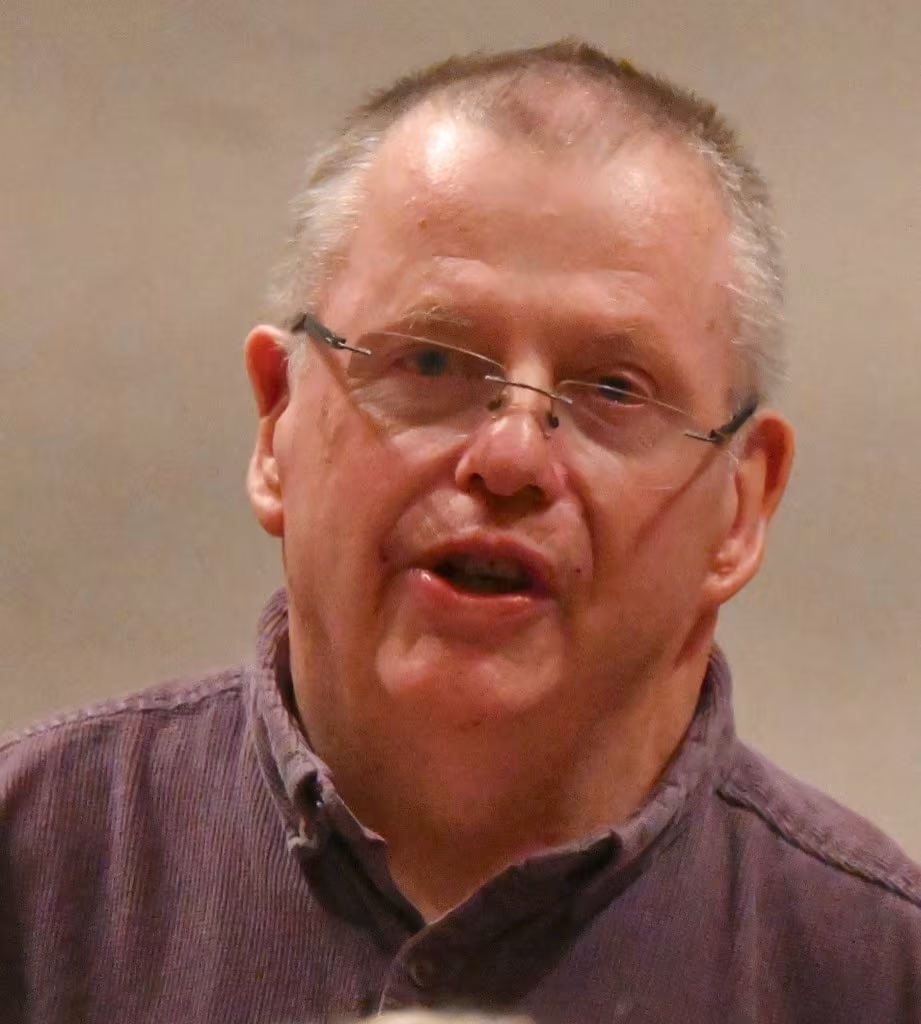
In 1985 Steve combined his roles again when he started the Tudeley Festival as a way to raise funds for new scanning equipment. His artistic standards aimed high. He brought organist Christopher Herrick and baroque flautist Stephen Preston, harpsichordist Melvyn Tan and the New London Consort to Tudeley's hundred-seat Norman church for the 1985 Tercentenaries. The festival made a profit, and the scanner was secured.
The Tudeley Festival resumed two years later. For a short while, it was not all devoted to Early Music, especially after he installed a Bösendorfer piano, but Tudeley's festival became the basic structure underpinning a six-day, eight-concert commemoration in 1995 of the tercentenary of Purcell's death, the concerts also taking place in Tunbridge Wells' Trinity Arts Centre, the George and Dragon at Speldhurst (including I Fagiolini's Robert Hollingworth, bewigged as Purcell, an uncanny likeness) and the magnificent chapel of Tonbridge School. The overall loss was just £165. Steve recalls, 'The millennium was even more scary. Haydn's Creation cost over £17,000 and we started with just a few hundred pounds in the bank! How things have changed.'

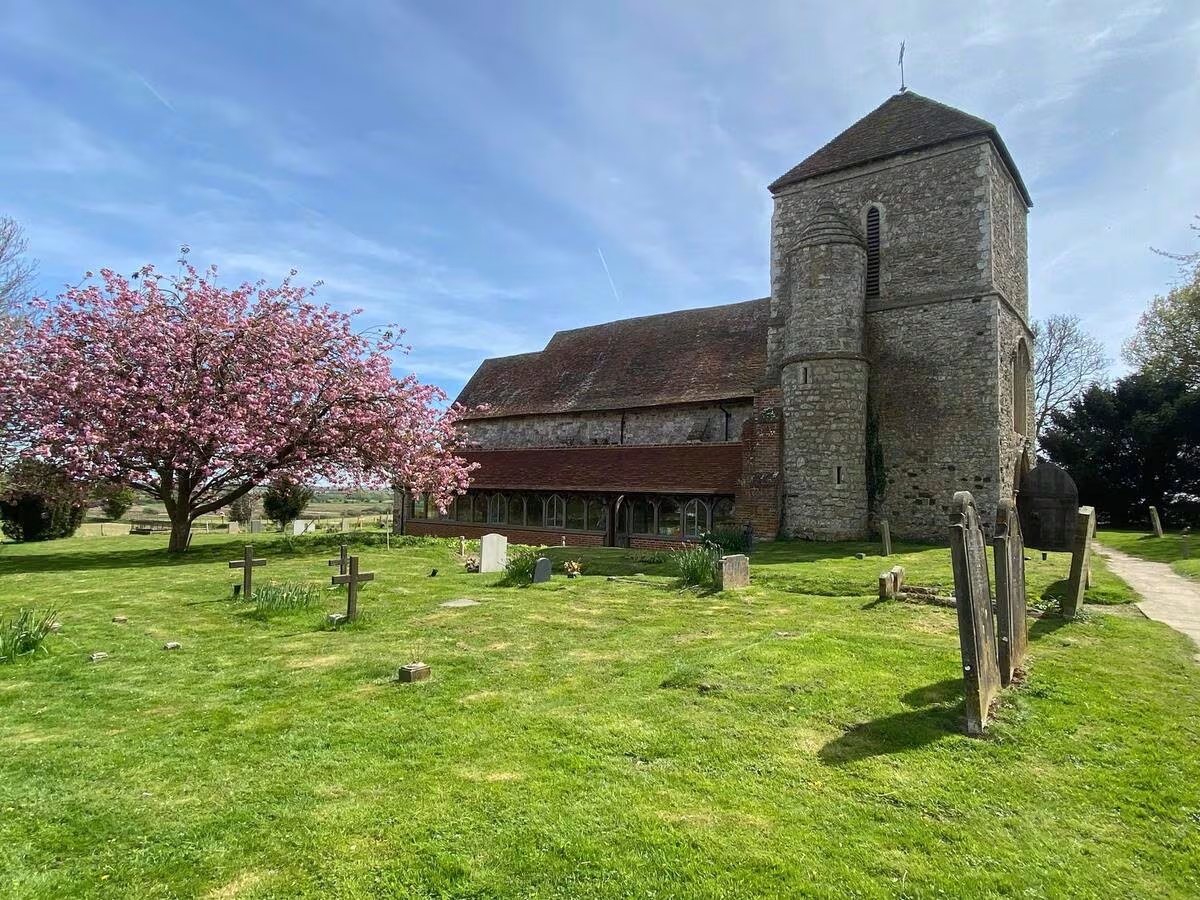
After retiring from Tudeley, in 2015, he moved, but not far; to the area of scattered houses known as Kenardington, a little closer to the coast. Indeed, though it is several miles inland these days, a thousand and more years ago it was right by the sea. St Mary's, its twelfth-century Norman village church, now amid open fields, would have looked out on the Channel, or at least an inlet of it, all now silted up, as Romney Marsh. There he started Saxon Shore Early MusicKenardington - the linking of the K of 'musick' and of Kenardington is deliberate. 'The acoustic in St Mary's is even better than Tudeley's. I was so lucky that early keyboard specialist Linda Nicholson, who had played at Tudeley for my Mozart Bicentenary events, lived very locally and she became our Patron.'
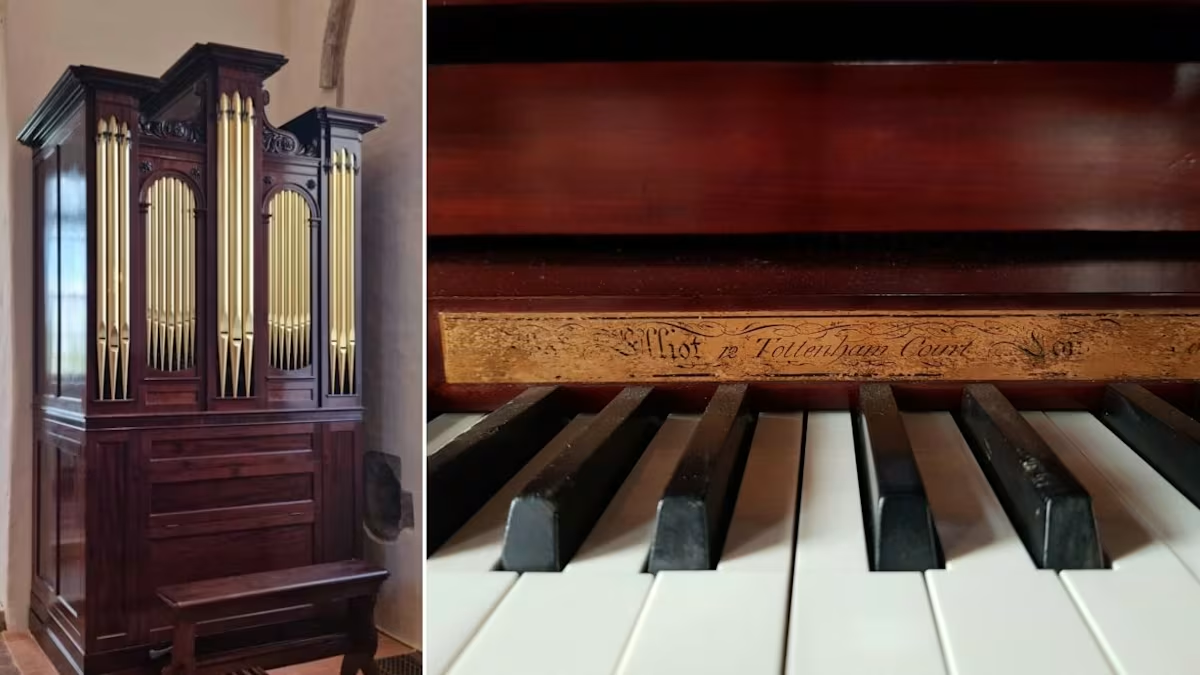
After the years at Tudeley, he says, 'finding money for the new festival was a nasty shock,' but the festival thrived. It was helped by the fact that a benefactor had donated money to restore the fabric of the church, including underfloor heating, which means it is now possible to have concerts during the winter. Originally, the refurbished church did not have an organ (a previous rector thought one was unnecessary), but Steve managed to find an 1805 organ restored by William Drake Ltd. in Devon, and the church's benefactor magnanimously agreed to pay for it. 'The nine-stopped instrument is truly spectacular, arguably the finest and most originally complete work of builder Thomas Elliot.'
Saxon Shore Early Music Kenardington has concerts spread across November, December and the spring, with six each year. 'South-east Kent is a relatively depressed area and can feel very insular. People are quite spread out, and Kenardington is not a true village in the traditional sense, clustered round a village green. People don't flock together, and it is hard to get a sense of community.'
He has been able to keep his standards high, including having the Consone Quartet as the ensemble in residence for four years; they will play Beethoven on the Bicentenary of his death next March. The London Handel Players will hold the residency from next year until 2029. 'I try to do things with a difference,' he says, 'and some concerts also include readings.'
The centrepiece of this autumn's edition, on 15 November, 'is fully costumed and scripted'. It is devoted to bringing to life the commentary published between 1669 and 1755 by Edward and John Chamberlayne called Angliæ Notitia, or The Present State of England. 'An entertainment to educate the minds of all Gentlemen (and Women)' focuses from 1692 and features the actor Simon Paisley Day, who has appeared in Dr Who and Star Wars – appropriately for a programme crossing time – and 'lots of Purcell and Handel'. Paisley Day will be supported by baroque violinist Conor Gricmanis and harpsichordist-organist Anhad Arora. 'There are lots of references that will resonate across the centuries,' Steve says, 'including one to the finances of the Duke of York!'
Simon Paisley Day, Conor Gricmanis and Anhad Arora perform The Present State of England at St Mary’s, Kenardington, on Sunday 15 November at 15:00. Book tickets, and explore the full season on the Saxon Shore Early Music Kenardington Continuo Connect festival page.
Share this
Keep reading
Exploring the golden age of the ‘City of Dreams’
‘City of Dreams’ is an exploration of two centuries of Renaissance Florence at Brighton Early Music Festival. We spoke to Oliver Webber, founder of Monteverdi String Band, and writer Saria Steyl about how the project came together.
In conversation: Samuel Ng
Continuo Connect catches up with Samuel Ng, cellist and gamba player with the newly formed Republic of Viols and Liturina.

Singing from within: Paul McCreesh on Gabrieli Roar
Conductor and Artistic Director Paul McCreesh talks to Simon Mundy about Gabrieli Roar – the youth choral project that puts thousands of young singers on stage alongside professional period-instrument musicians.