

Feature
Pursuing the perfect sound: Peter Phillips and The Tallis Scholars
Share this

BY SIMON MUNDY | FIRST PUBLISHED 18 APR 2026
𝄞 Why not accompany your reading with our specially-curated playlist, featuring tracks from The Tallis Scholars’ fascinatingly rich discography?
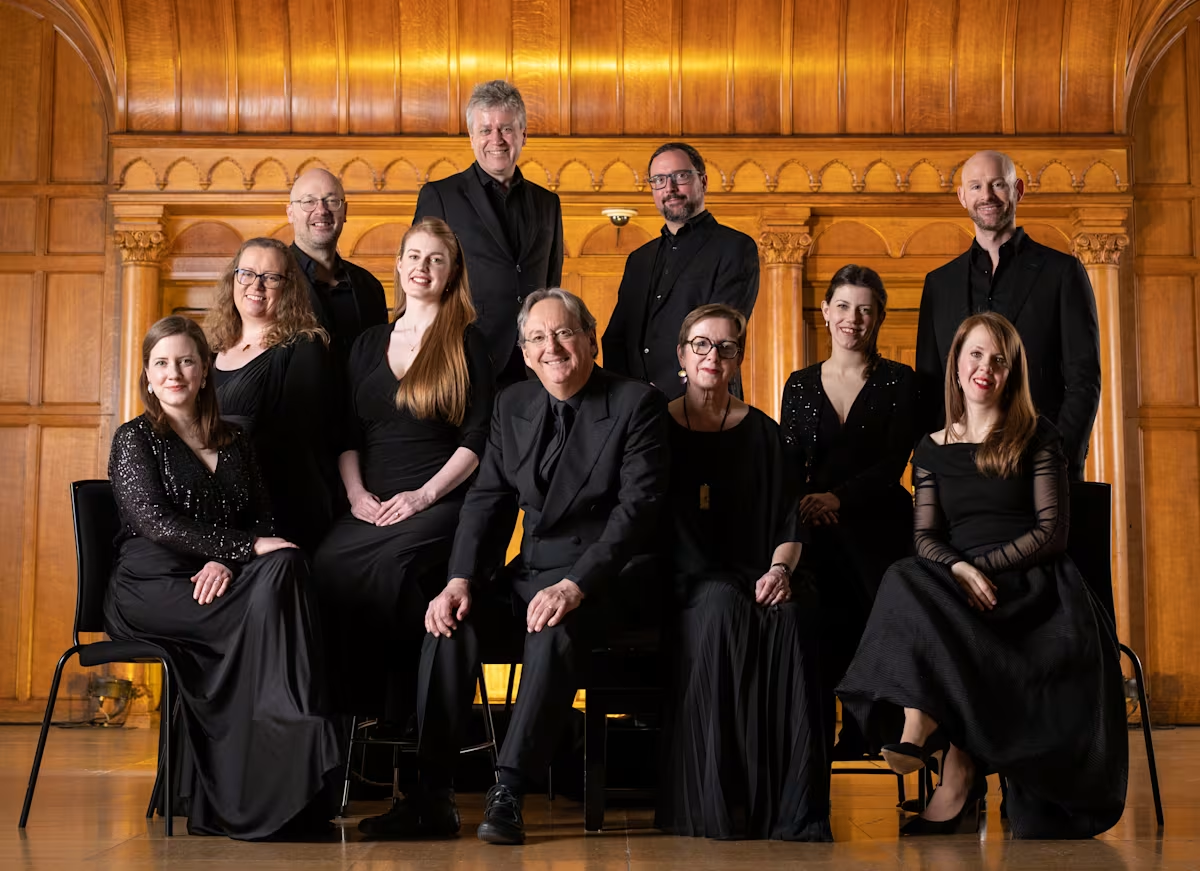
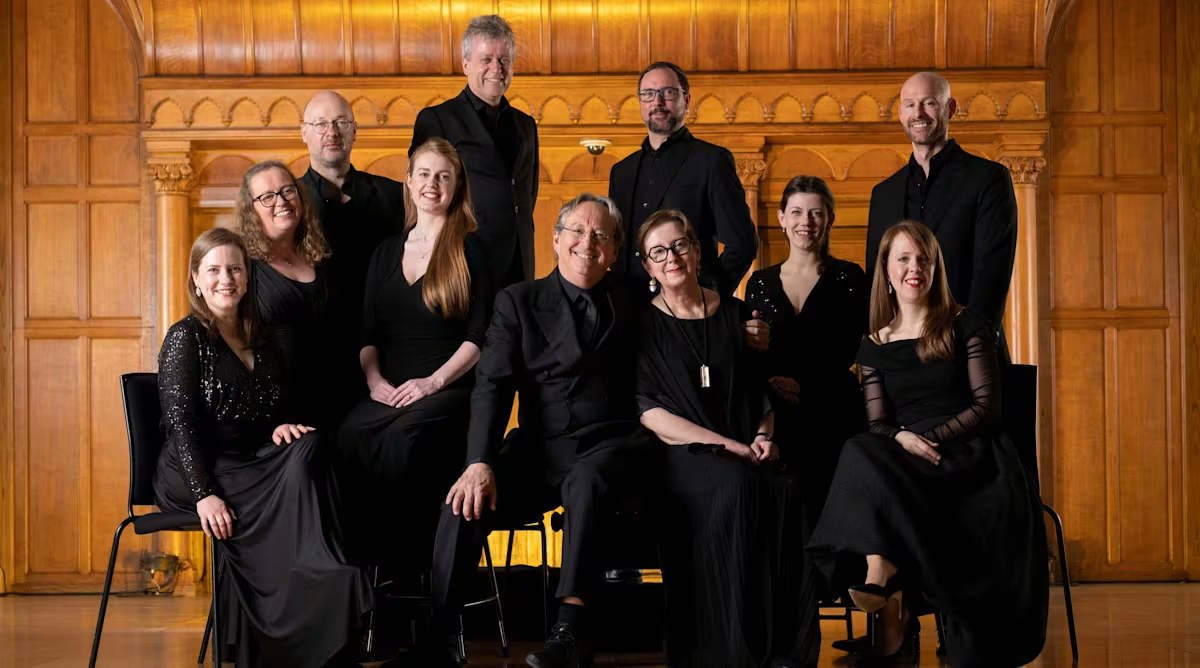
Peter Phillips was indeed in a scholastic setting when he started The Tallis Scholars in November 1973. He was in his second undergraduate year at St John’s College, Oxford. ‘I loved the organ music at St John’s, and Renaissance choral music in particular. In those days, though, you had to go to a service to hear it. I wanted to go and listen to it in a concert – and I had a sound in my head about how it should be sung.’
That sound was characterised by a stringent approach to intonation and vocal purity, avoiding the approximate attitude to hitting the note in the middle, and the wobbles and swoops that he heard in choirs around him. The Tallis Scholars were aiming for a style that was a model of clarity. He is a stickler for standards and for not allowing the performers to take liberties, either with interpretation or with the vocal blend. ‘Singing one to a part, singers can get away with murder and I’m not having it!’
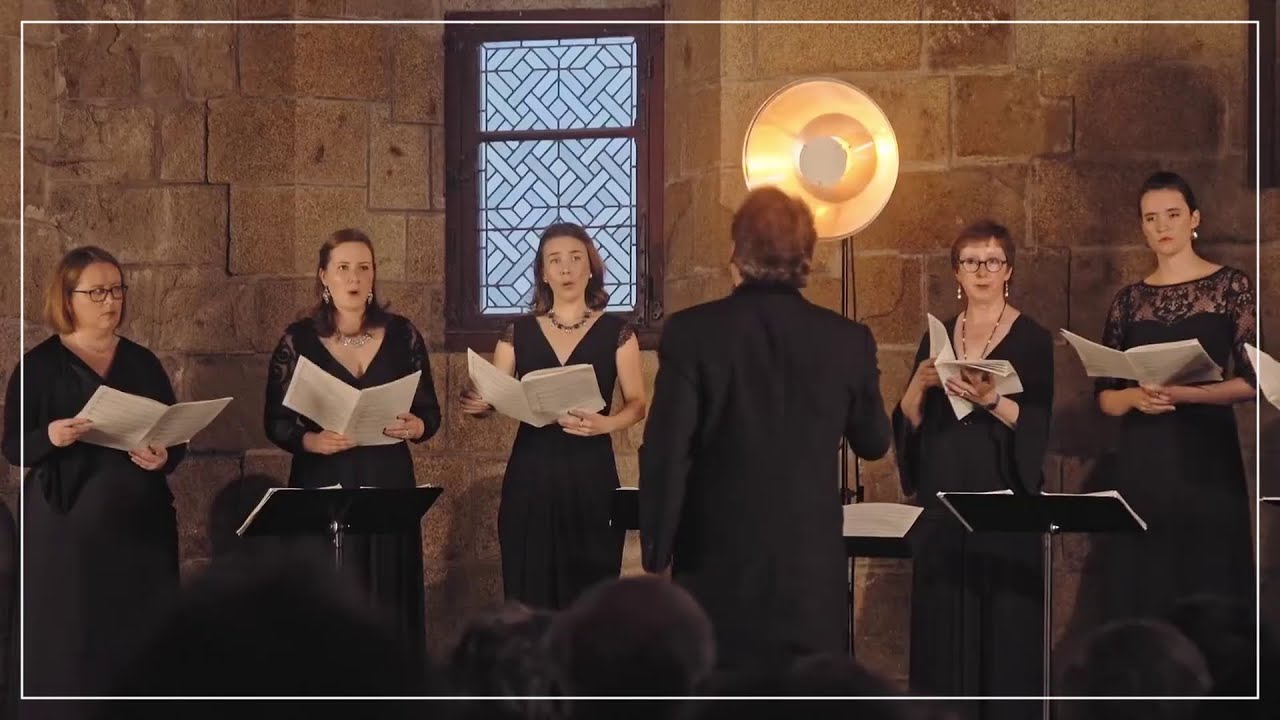 ▶
▶The Tallis Scholars & Peter Phillips performing Allegri's Miserere
‘I started with the high Renaissance, then worked backwards to Josquin des Prez, which is much harder, because it needs a two-octave range sung equally. I like to keep the blend equal over both octaves. No-one is trained to do that now, and it’s hard to force teachers to change. Groups were much smaller in Josquin’s time, probably one to a part in tiny chapels in castles, with the congregation very close. They would be hearing the music full in the face. Now we sing in 3,000-seat opera houses, so we have to project.’
Peter’s ambition and determination to broaden the way audiences were exposed to Renaissance singing was obvious from the beginning. The idealism of his student years stayed with him. ‘In our second concert, we tackled Tallis’s Spem in alium , and we just kept putting on concerts whether we had any money on not. We proved we were not a flash in the pan, even after we moved to London. There was a slight dip in the 1980s. We got through that by starting to travel early on.’
Thomas Tallis: The opening movement of Spem in alium | The Tallis Scholars & Peter Phillips
At that time, ensembles in Britain were only just beginning to venture abroad on a regular basis. Peter Phillips felt that The Tallis Scholars had a sound and an approach to the music that deserved a wider hearing. ‘There was a tour in Belgium in 1981 with 31 concerts. We went to Australia in 1985 for Musica Viva. We were completely unknown. I can’t think what possessed them, but the man who invited us there is now Head of Music at ABC, and we’ve just been back on tour, so it must have worked out okay. Then, in 1987, we won Gramophone Record of the Year with a Josquin disc, and that transformed everything.’ The appetite for the The Tallis Scholars’ programmes has never abated since then, and by the time they marked their 50th anniversary in the 2023-24 season, they had given more than 2,500 concerts.
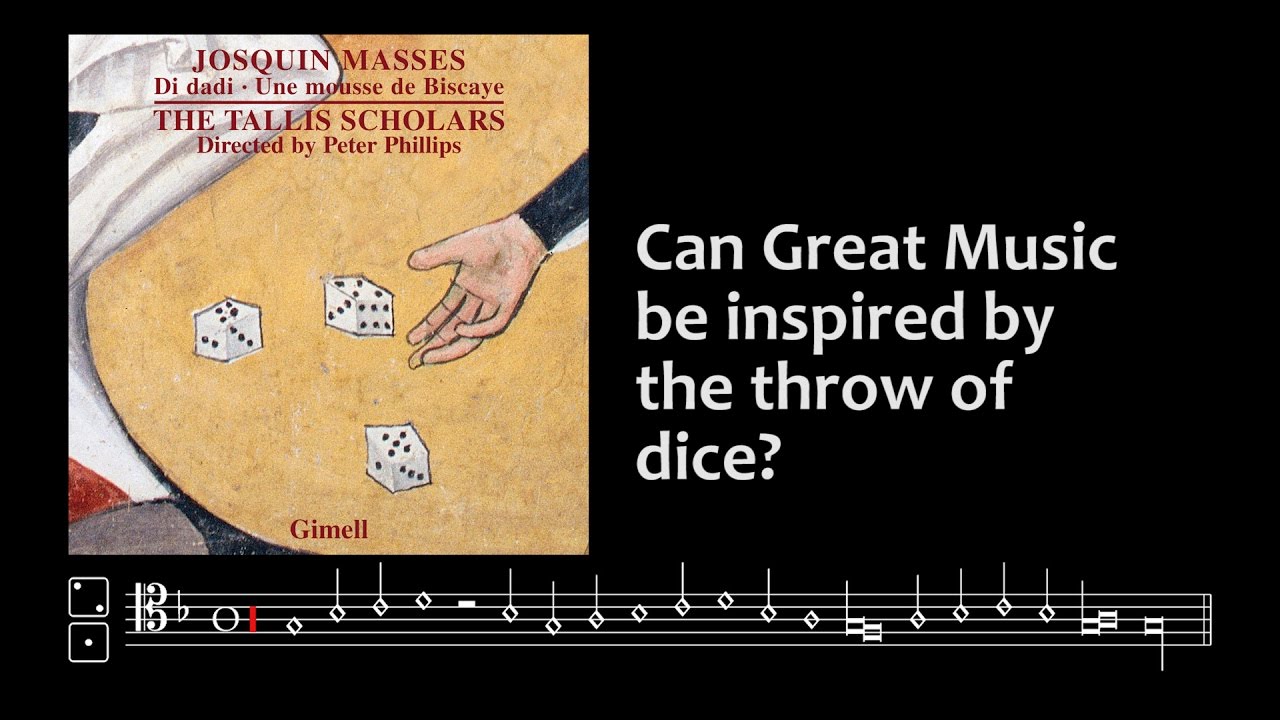 ▶
▶Josquin des Prez: The Kyrie and opening section of the Gloria from Missa Di dadi (The Dice Mass) | The Tallis Scholars & Peter Phillips
Peter resists the attempt to place him in a convenient category of conductors who are interested in either period style or applying that stylistic approach across several centuries of repertoire. ‘I don’t really think of us as part of the Early Music movement. That was always about instruments, and we are only voices – a completely different box. Our sound is still the sound I had in my head, the music sung with no embellishments, where you hear all the sounds clearly and transparently, evenly across the voices. It was never designed to be authentic. We have no idea what the choirs sounded like then – although I suspect it was not always very good. We know that there were many years when the Sistine Chapel Choir was dire.’
That focus on the evenness of the texture from the high to low voices is the key to the balance he seeks. ‘With so many choirs,’ he says, ‘they concentrate on the sopranos to the detriment of the altos.’ He is also uninterested in taking the music at an experimental tempo. ‘My speeds are fairly consistent. I love the long legato lines of Renaissance sacred music and Latin.’
It is rare these days to find a musician so determined not to venture out of the repertoire in which he has specialised: no cross-over or bringing in an orchestra or continuo group – although the ensemble has sung the work of Arvo Pärt, who evokes the Renaissance so closely in his later style.
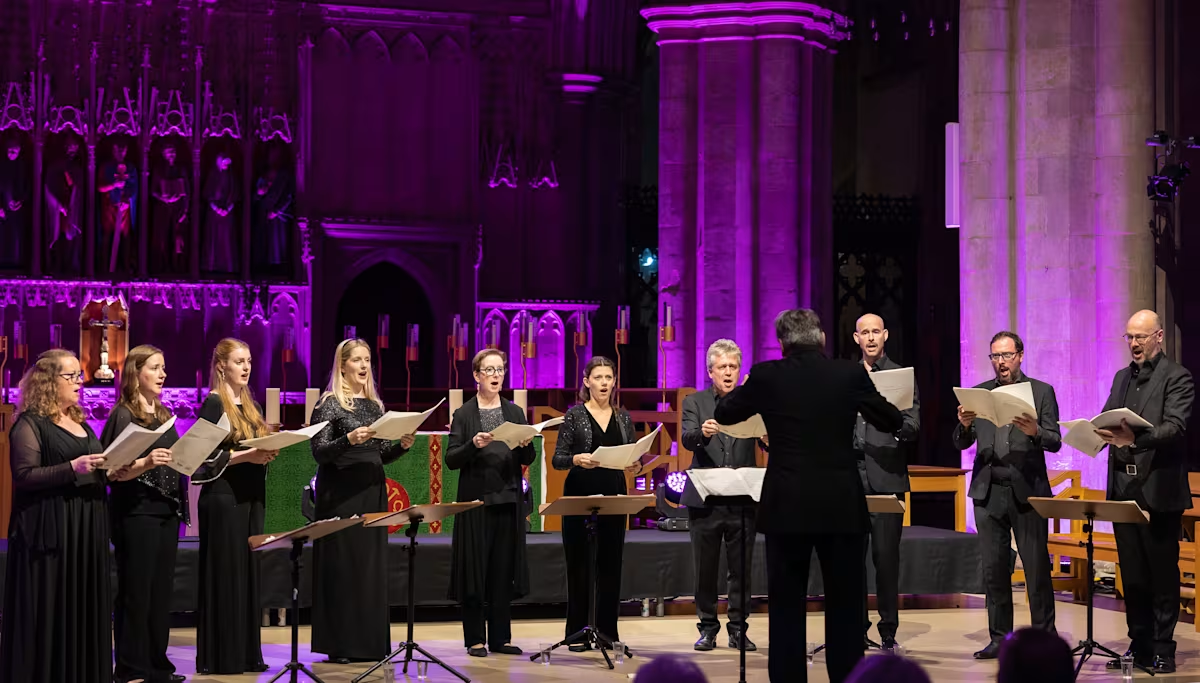
Peter’s interest in terms of performing remains firmly with the religious music of the 16th century, venturing only a few years into the 17th. ‘I’m not much drawn to performing the secular music of the time. That needs a different sound and method, usually one to a part, and it doesn’t really need a conductor. We do sing Monteverdi, but in Renaissance style without continuo. Gesualdo, too...’
‘Now there is a rash of a cappella choirs interested in the Renaissance. They’ve seen the excitement of it. In the end, we’re entertainers. If we don’t keep a step ahead, we’ll disappoint and the audiences won’t come, but for the moment, they seem to be happy with what we do.’
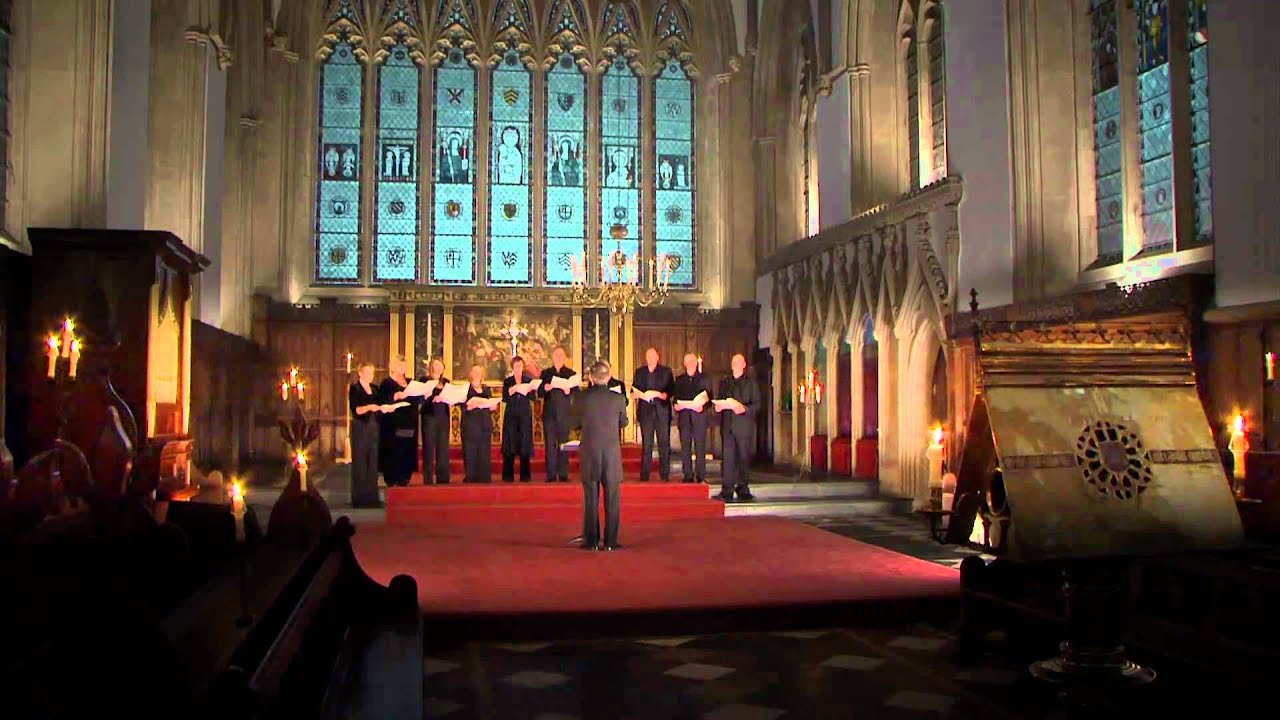 ▶
▶Tomás Luis de Victoria: The First Lamentation for Maundy Thursday | The Tallis Scholars & Peter Phillips
For the future, Peter feels there is still plenty of mileage yet in The Tallis Scholars’ approach and in his methods of working with new singers as they emerge. The sound that Peter Phillips had ‘in his head’ half a century ago has become embedded in our heads, too – to the extent that in Palestrina, Victoria, Tallis and all the composers in Latin from the late Renaissance, any other manner of singing the music feels suspect. It is an extraordinary achievement for one conductor to shape a generation.
The Tallis Scholars has a busy performance schedule. Visit the ensemble’s Continuo Connect profile to view their upcoming UK concerts, including performances at Chipping Campden, East Neuk and York Early Music festivals and at Cadogan Hall, London. The ensemble also has a rich discography with more than 70 albums released on its own label, Gimell.
Share this
Keep reading

Celebrating 300 years of Academy of Ancient Music
Three hundred years after the first Academy of Ancient Music was founded, its modern namesake is preparing a season that looks far beyond commemoration.
In conversation: Samuel Ng
Continuo Connect catches up with Samuel Ng, cellist and gamba player with the newly formed Republic of Viols and Liturina.
JS Bach, and a cabinet of curiosities: Jorge Jiménez
Violinist, director and composer Jorge Jiménez talks to Simon Mundy about his latest album Curiosa: Lost & Found Tunes, his new Bach weekend in Ipswich, and his freelance career balancing life in rural Essex with regular work in Spain.