

Book
Music at a Florentine Convent
The Biffoli-Sostegni Manuscript and Suor Maria Celeste Galilei | Professor Laurie Stras
Share this

FIRST PUBLISHED 24 JAN 2026
The Biffoli-Sostegni manuscript, MS 27766 of the library of the Royal Conservatoire of Brussels, is the only volume of 16th-century polyphony with a secure provenance in a female convent. Its extraordinary survival is made all the more important by its origin at the Florentine convent of San Matteo in Arcetri, the convent in which Suor Maria Celeste Galilei, daughter of Galileo Galilei, spent the last two-thirds of her life.
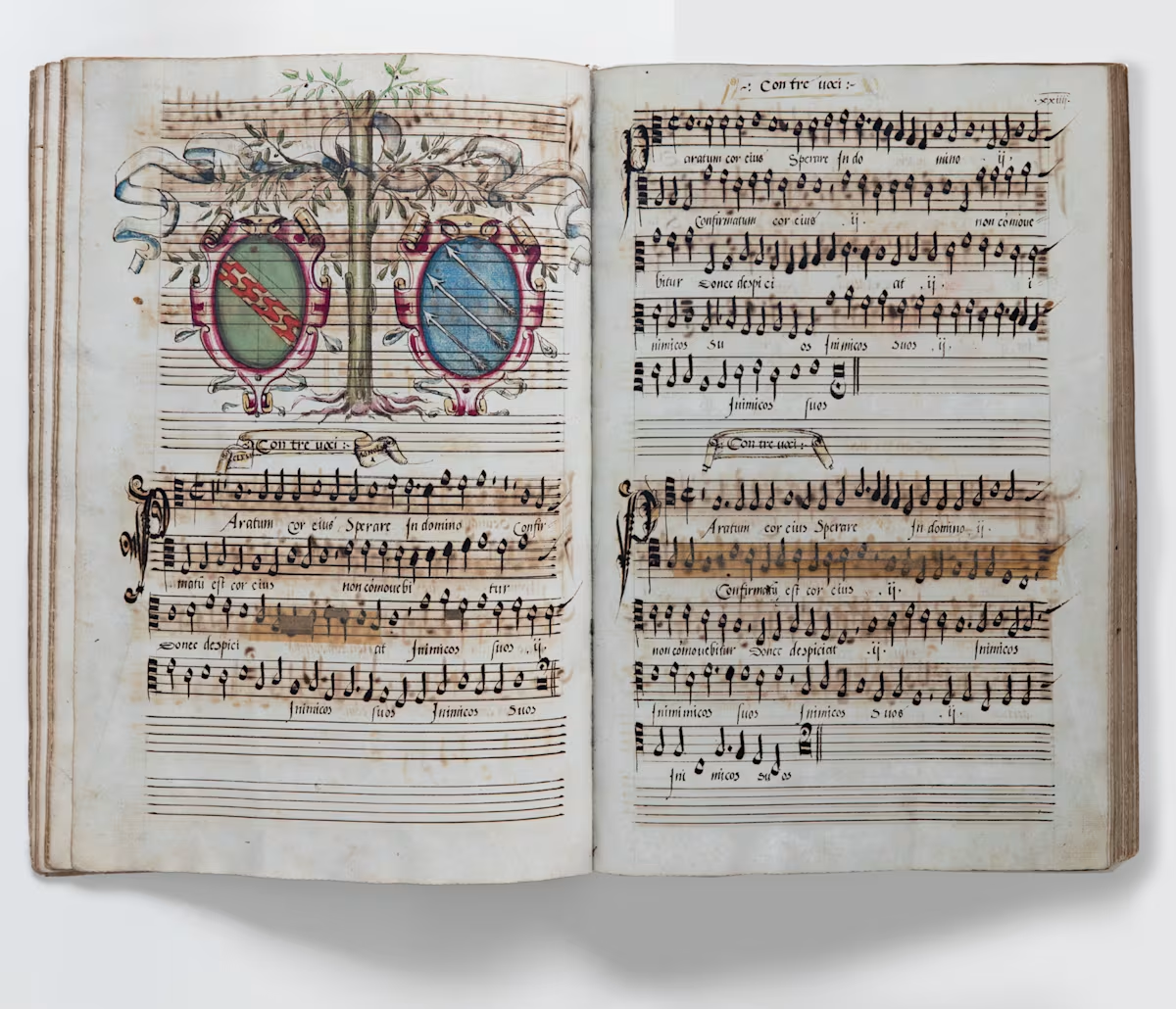
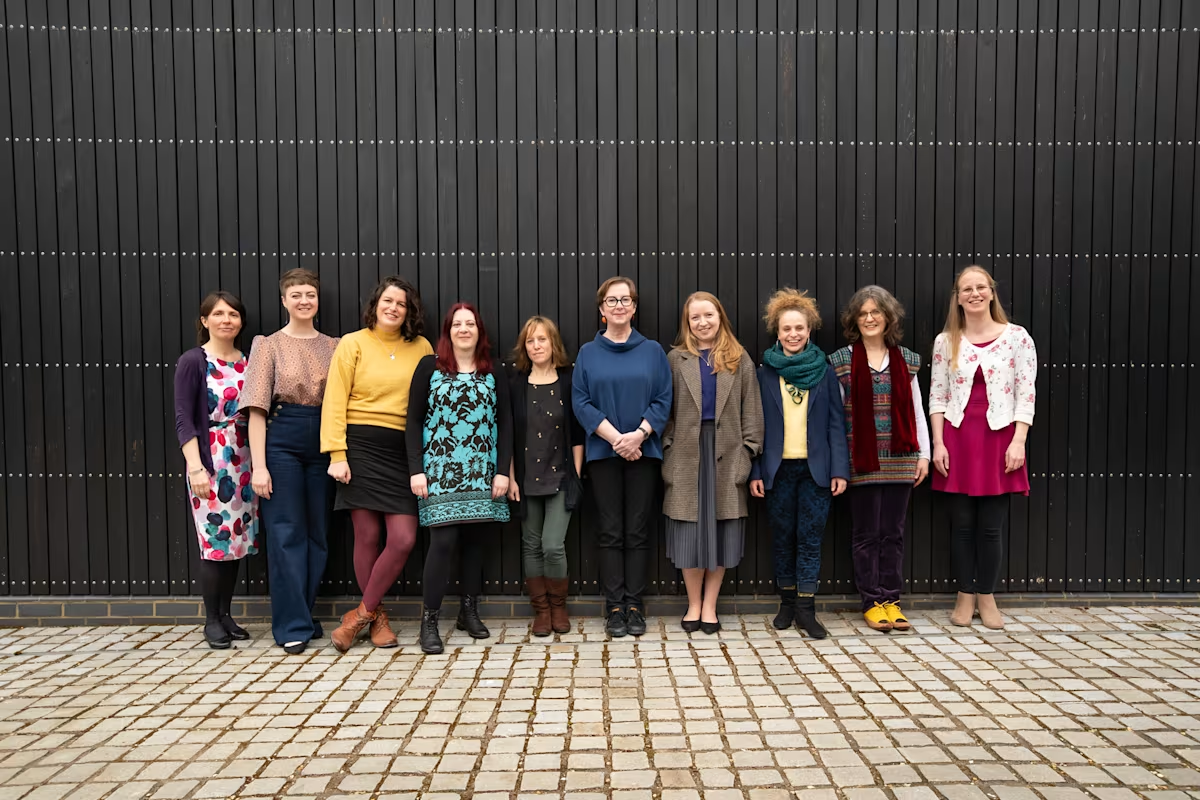
This Element publication uses archival sources related to San Matteo to create a historical context for the manuscript's music and the lives of the nuns for whom it was written. Analysis of the music is accompanied by both notated and audiovisual musical examples, performed by the UK all-female early music ensemble, Musica Secreta.
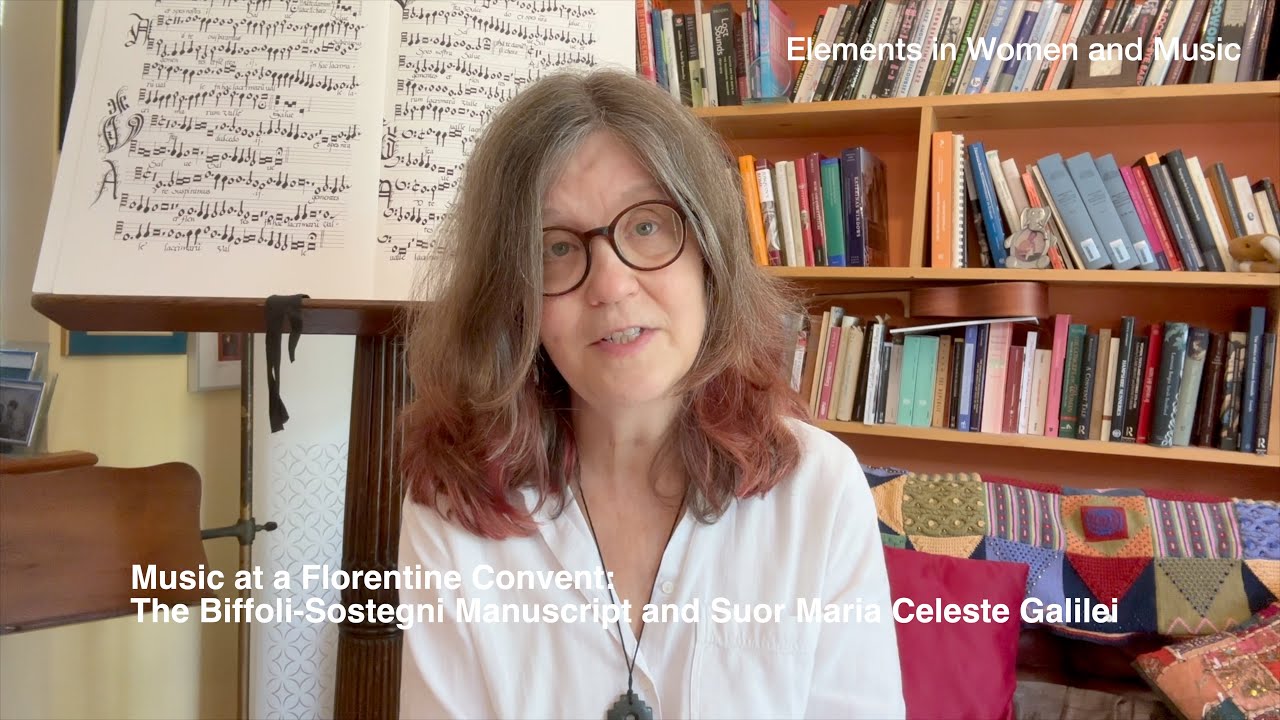 ▶
▶Read an extract here.
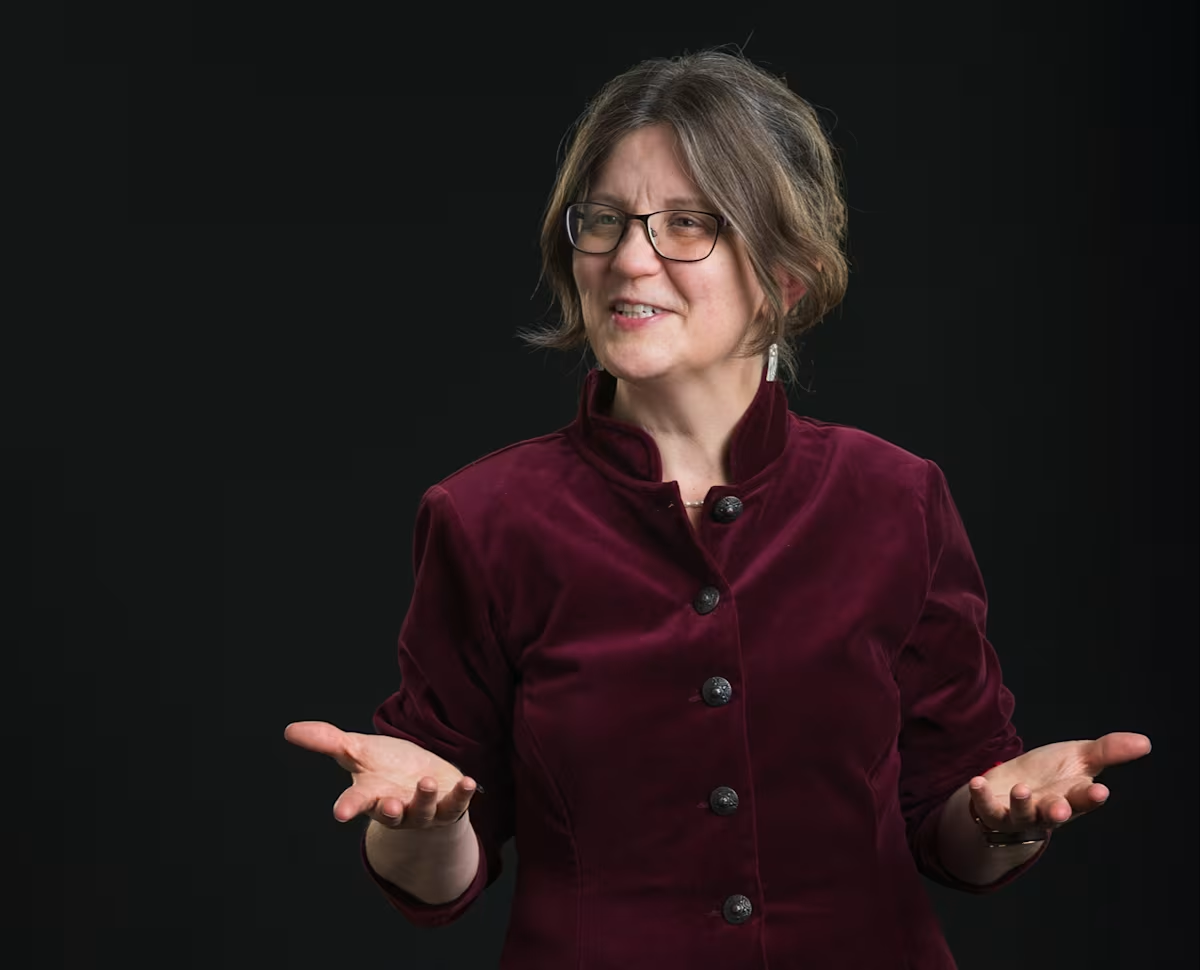
Laurie Stras is Professor Emerita of Music at the University of Southampton, and Director of Musica Secreta and Celestial Singers. Alongside popular music, and music and disability studies, Stras is renowned for her pioneering work on Early Music. Her research on female musicians in 16th-century Italy has earned international recognition and major awards, and resulted in influential publications. Her Cambridge Element 'Music at a Florentine Convent' will be available digitally and in hard copy from Cambridge University Press. Musica Secreta’s latest album, 'Ricordanze: a record of love’ is available to purchase on Musica Secreta’s website as well as on Bandcamp.
Share this
Keep reading

JS Bach, and a cabinet of curiosities: Jorge Jiménez
Violinist, director and composer Jorge Jiménez talks to Simon Mundy about his latest album Curiosa: Lost & Found Tunes, his new Bach weekend in Ipswich, and his freelance career balancing life in rural Essex with regular work in Spain.
The Best of Rachel Podger
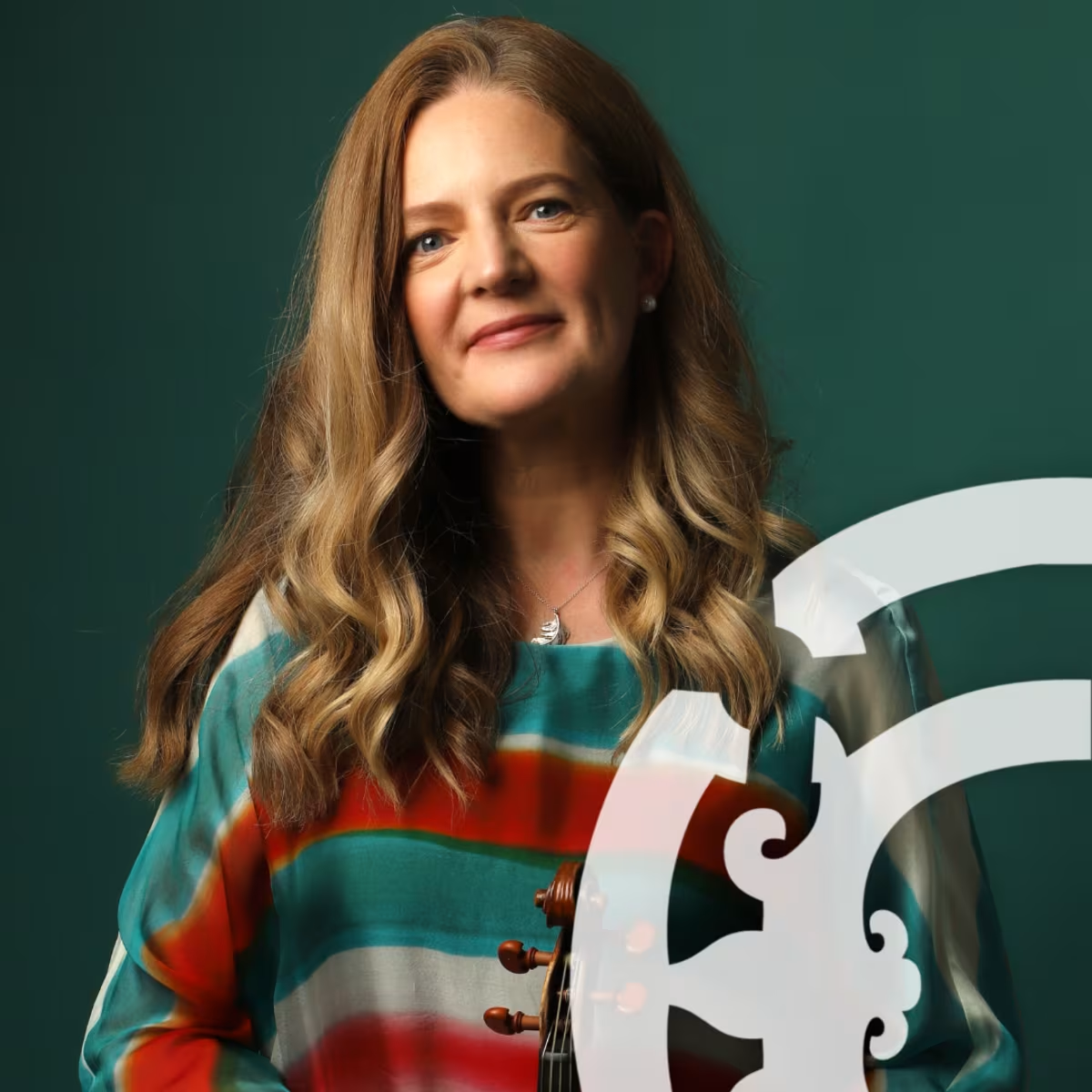
This playlist celebrates 'the unsurpassed British glory of the baroque violin' (The Times) - that is of course Rachel Podger.
Handel’s Messiah – the Salisbury connection
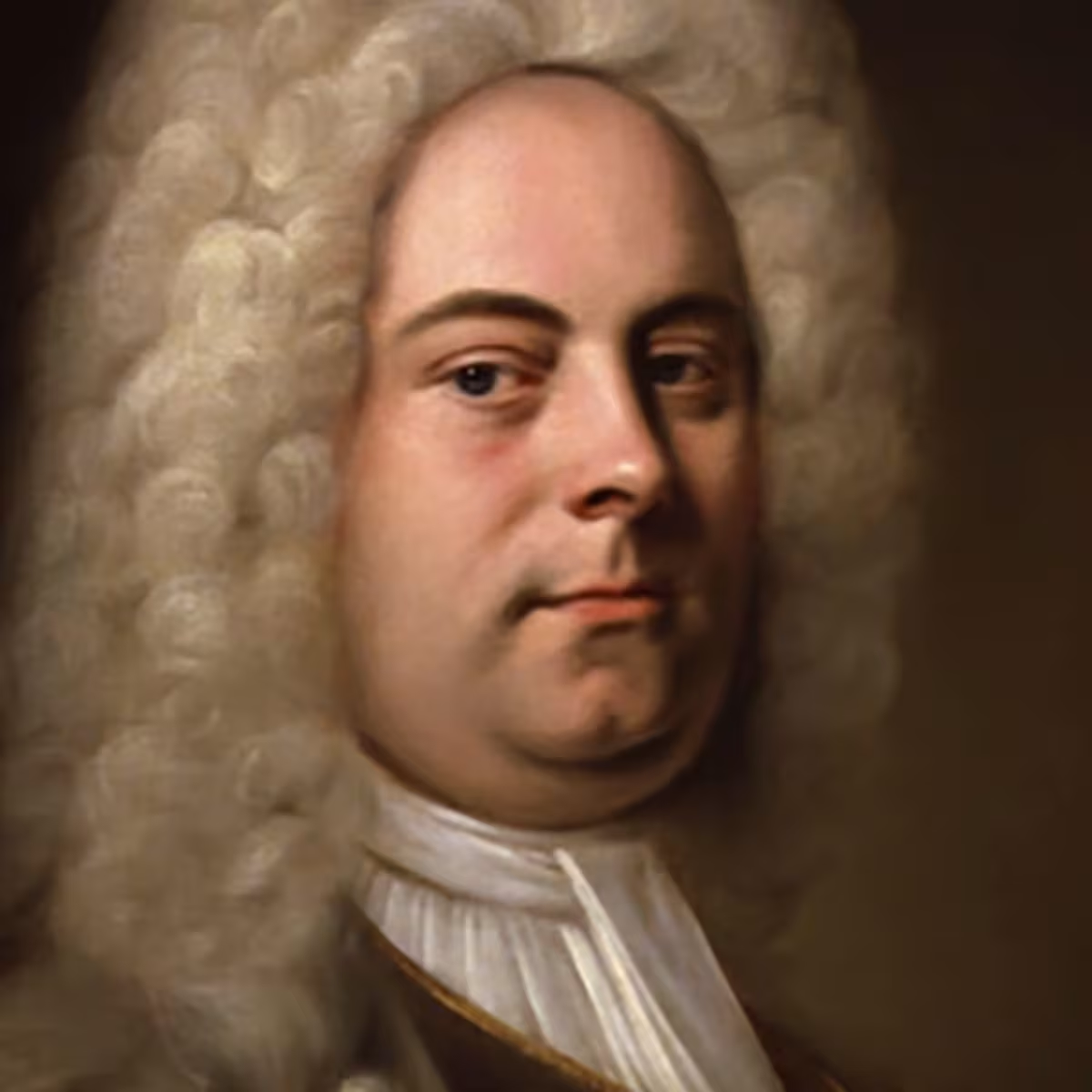
There is an oddly persistent local story that a performance of Messiah was given in the chapel room over St Anne’s Gate when Handel stayed in Salisbury in 1739 with his friend James Harris of Malmesbury House in the close.