
Spotlight
In conversation: Eva Caballero
Share this

FIRST PUBLISHED 10 FEB 2026
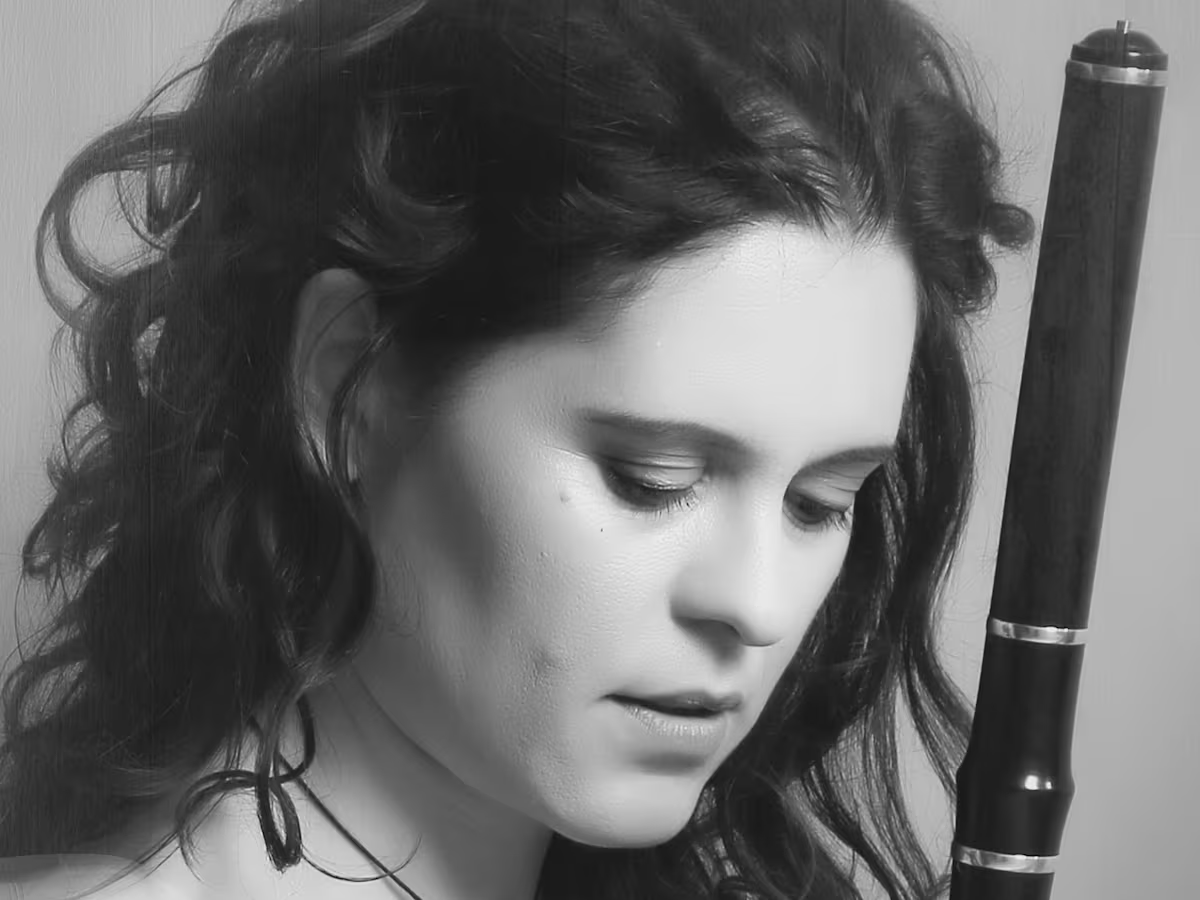
Originally from Barcelona, Spain, Eva Caballero was awarded a scholarship to study at Trinity College of Music, London, with Daniel Pailthorpe. Towards the end of her BMus (Hons) degree, she discovered the baroque flute with Stephen Preston and continued her studies on historical flutes with Lisa Beznosiuk at the Royal Academy of Music.
Her work involves performing in London-based ensembles and a variety of orchestras, including Solomon’s Knot, The Mozartists, The Sixteen, Gabrieli Consort & Players, Istante Collective and Armonico Consort among others. She has also given recitals at venues including the Handel Hendrix House, Raynham Hall, the Wallace Collection and St Martin-in-the-Fields. Eva has won numerous awards as a chamber music performer in the UK and Spain including XIII Paper de Música de Capellades, Premi Ciutat Manresa, IX Pòdiums de St Joan de Vilatorrada and the Anglo-Czech Trust Competition.
Eva is an enthusiastic educator and works as a flute teacher in North London primary and secondary schools as well as North London Conservatoire.
What is your idea of perfect happiness?
To be in good health, surrounded by people I love, and to discover new things and every now and then come out of my comfort zone.
What is your earliest musical memory?
At the age of six, the music teacher at school showed us a flute (which she could play). This was my first close contact to a musical instrument.
How has classical music influenced your life outside of performing?
It’s difficult to answer this question as I don’t have another life with no classical influence to compare with! I would say it has helped me to listen more carefully, focus, empathise, work in detail and deal with nerves. It has also given me the chance to work in music education, introducing and sharing music with children – something which I am passionate about.
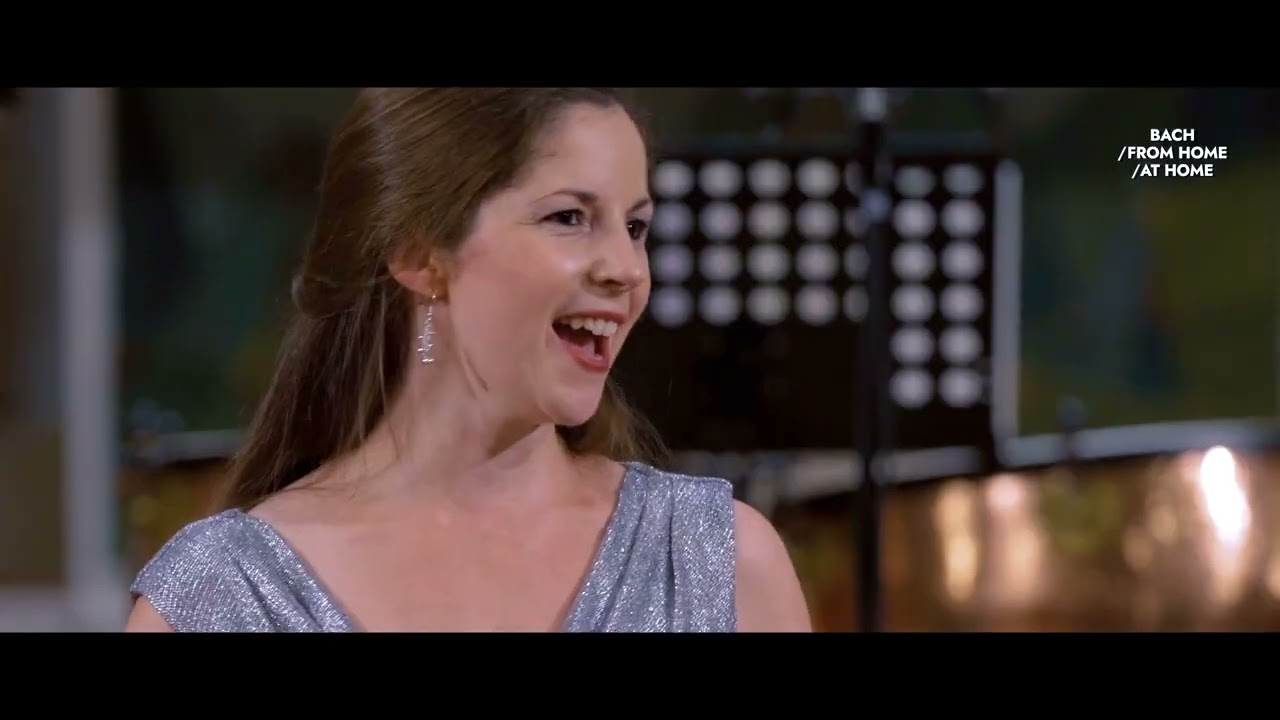 ▶
▶Eva Caballero performs JS Bach’s ‘Blast die wohlgegriffnen Flöten’, BWV 214/3 with Solomon’s Knot and soprano Zoë Brookshaw.
What’s so special about HIP/early music performances?
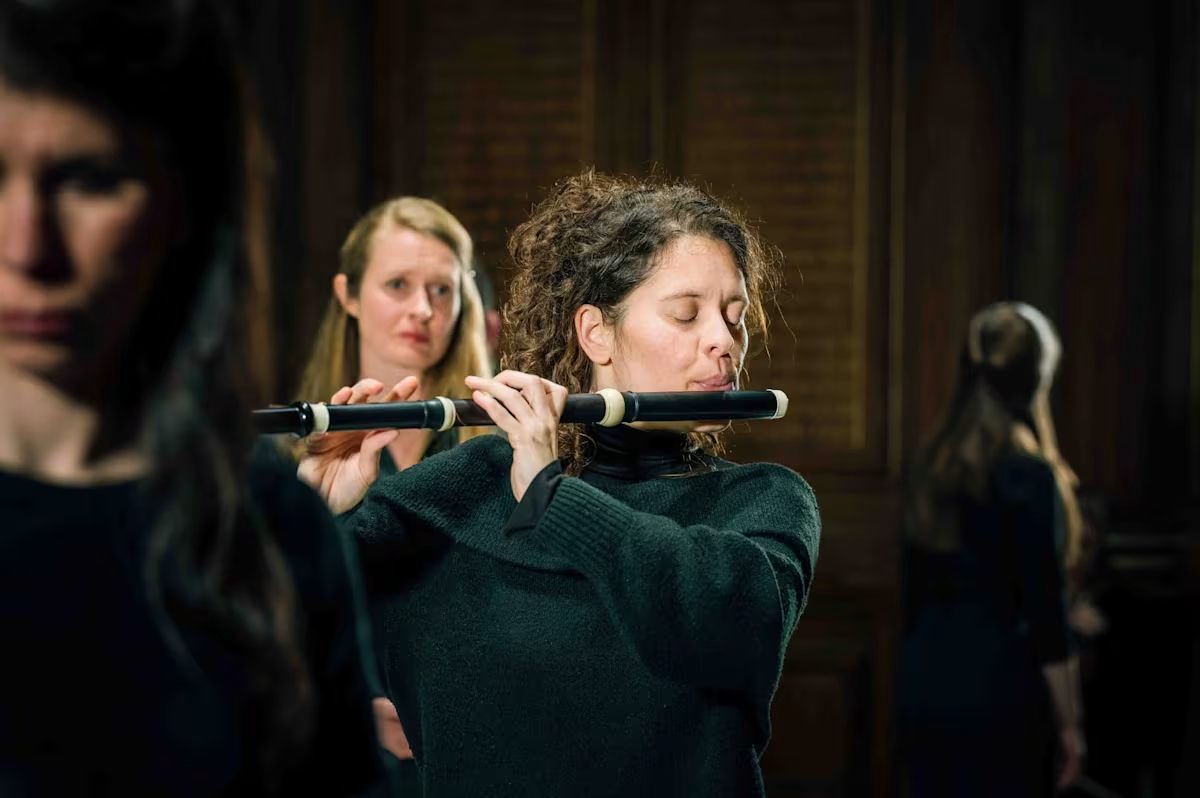
I love playing on wooden flutes (I actually prefer playing with wood rather than silver or gold). Coming from a modern background, playing Early Music on original instruments makes more sense – it feels right. The approach is different from that of modern. The old flutes give you the ‘right challenge’ for the music to be performed on them.
Do you have a lucky charm or ritual that you follow before important concerts?
I used to when I was in my early 20s. I don’t these days!
Can you describe the feeling of truly understanding a complex piece of music?
No matter how well you know (or you think you know) a piece of music, you’ll always discover new things. The feeling for me would be comfort and freedom when performing it: enjoyment at a deeper level.
If you could meet anyone from the past, who would it be?
Difficult question… Leonardo da Vinci, such an incredible man, with so many talents in many disciplines!
What made you choose the flute?
It was one of the few instruments I was exposed to as a young child. I was fascinated by its mechanism.
How did you get into historical performance practice/early music?
My flatmates were studying Early Music, and I tried the Baroque flute as a second study in the final year of my undergraduate studies. I found it hard at the beginning, but in the end it felt right for me.
Eva performs works for flute and strings by JC Bach, Mozart and more at the ancestral home of the Washington family in Fiori Musicali's next concert on 22 March 2026 at Sulgrave Manor, Northamptonshire.
Share this
Keep reading
In conversation: Bolette Roed
Continuo Connect talks to the Danish recorder player Bolette Roed about her group, the Elephant House Quartet, and Copenhagen Baroque Festival.
Mary-Jannet Leith on collaborating with the Buskaid Soweto String Ensemble
In the first of a new series of Continuo Connect podcasts, Simon Mundy talks to Mary-Jannet Leith of Ensemble Hesperi about their collaboration with the Buskaid Soweto String Ensemble, and the music that once filled Scotland's country houses.
Šarovít, duende, meraki… Inside Nocturnalia’s musical language
Continuo Connect catches up with Pablo Tejedor-Gutierrez from Nocturnalia Ensemble, first-time Continuo grantees, about their upcoming season.