

Film
Jordi Savall & Le Concert des Nations | Le concert spirituel
Baroque music at the time of Louis XV
Share this

FIRST PUBLISHED 8 AUG 2026
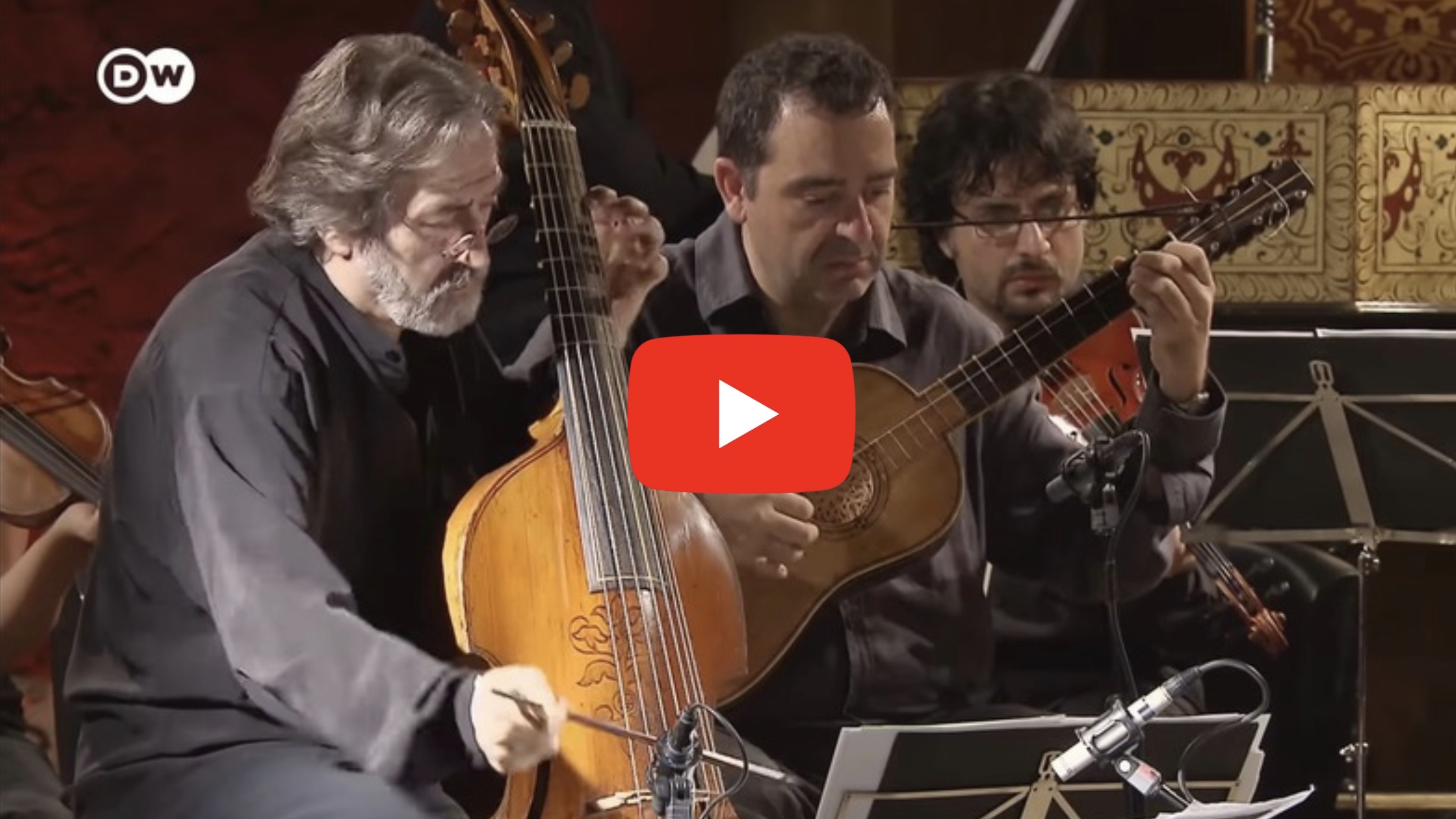
Jordi Savall directs his orchestra Le Concert des Nations in this special ‘Concert spirituel’ programme in Fontfroide Abbey in southern France.
The Concert spirituel was a landmark concert series that ran in Paris during the 18th century. It grew out of a broader shift in French musical life: after Louis XIV’s death in 1715, music increasingly moved out of churches and royal palaces and into private homes and gardens, as informal ‘private concerts’ came into fashion, a trend that flourished throughout the reign of his successor Louis XV until 1774.
The Concert spirituel was founded in 1725 to fill the roughly 35 days each year, namely during Lent and other religious holidays of the Catholic Church when principal musical and theatrical institutions in the city, such as the Paris Opera, the Comédie-Française and the Comédie-Italienne, were forced to suspend their usual ‘profane’ performances. Hence the mention of spirituality in the title. The series went on to outlast Louis XV himself, continuing until 1791.
Recorded during the 2010 edition of the Festival Musique et Histoire in Fontfroide Abbey, in Narbonne, France. | Film produced by Karl More Productions for DW Classical Music.
PROGRAMME
Corelli Concerto grosso in D, Op. 6 No. 4
I. Adagio-Allegro II. Adagio III. Vivace IV. Allegro
Telemann Concerto for recorder, viola da gamba and strings in A minor, TWV 52:A1
I. Grave II. Allegro III. Dolce IV. Allegro
Telemann Overture & Suite in E minor for two flutes and strings, TWV 55:E1 (from Tafelmusik)
I. Ouverture: Lentement-Vite II. Rejouissance III. Rondeau IV. Lourée V. Passepied VI. Air: un peu vivement VII. Gigue
Telemann Suite in D for viola da gamba and strings, TWV 55:D6
I. Ouverture (Lento) – Allegro – Lento II. La trompette III. Sarabande IV. Rondeau V. Bourrée VI. Courante – Double VII. Gigue (Presto)
Rameau Les Indes galantes (Symphonies) 1735
Air pour les Guerriers portans les drapeaux | Entrée des Quatre-Nations | Air polonais | Rigaudons I & II en Rondeau | Air pour les Amants qui suivent Bellone et pour les Amantes qui tâchent de les retenir | Air pour les Esclaves Africains | Orage – Air pour Borée et la Rose | Air pour Zéphire | Gavotte | Air tendre pour la Rose | Adoration du Soleil | Air grave pour les Incas du Pérou | Tambourins I & II
PERFORMERS
Le Concert des Nations
Jordi Savall (b, d) viola da gamba | musical direction
Enrico Onofri (a) concertino
Riccardo Minasi (a), Isabel Serrano, Paulo Waisman, Santi Aubert violin
Angelo Bartoletti, Giovanni de Rosa viola
Balázs Máté (a), Antoine Ladrette cello
Xavier Puertas violone
Pierre Hamon (b) recorder
Marc Hantaï (c), Yi-Fen Chen (c) transverse flute
Xavier-Diaz Latorre theorbo, Baroque guitar
Michael Behringer harpsichord
Pedro Estevan percussion
* Soloists in (a) Op. 6 No 4; (b) TWV 52:A1; (c) TWV 55:E1; (d) TWV 55:D6
Musique et Histoire is an international festival that has been taking place every year since 2006 in Fontfroide Abbey in Narbonne, France, under the artistic direction of Jordi Savall. The concerts take place at different locations: particularly in the Louis XIV Court, in the abbey’s church and in the refectory for the monks.
Le Concert des Nations is an orchestra, founded in 1989 by Jordi Savall and the late Spanish-Catalan soprano Montserrat Figueras, known throughout the world for its expertise in Historically Informed Performances. Since the 1970s, Savall has been considered one of the world’s leading viola da gamba performers and Early Music specialists.

Share this
Keep reading
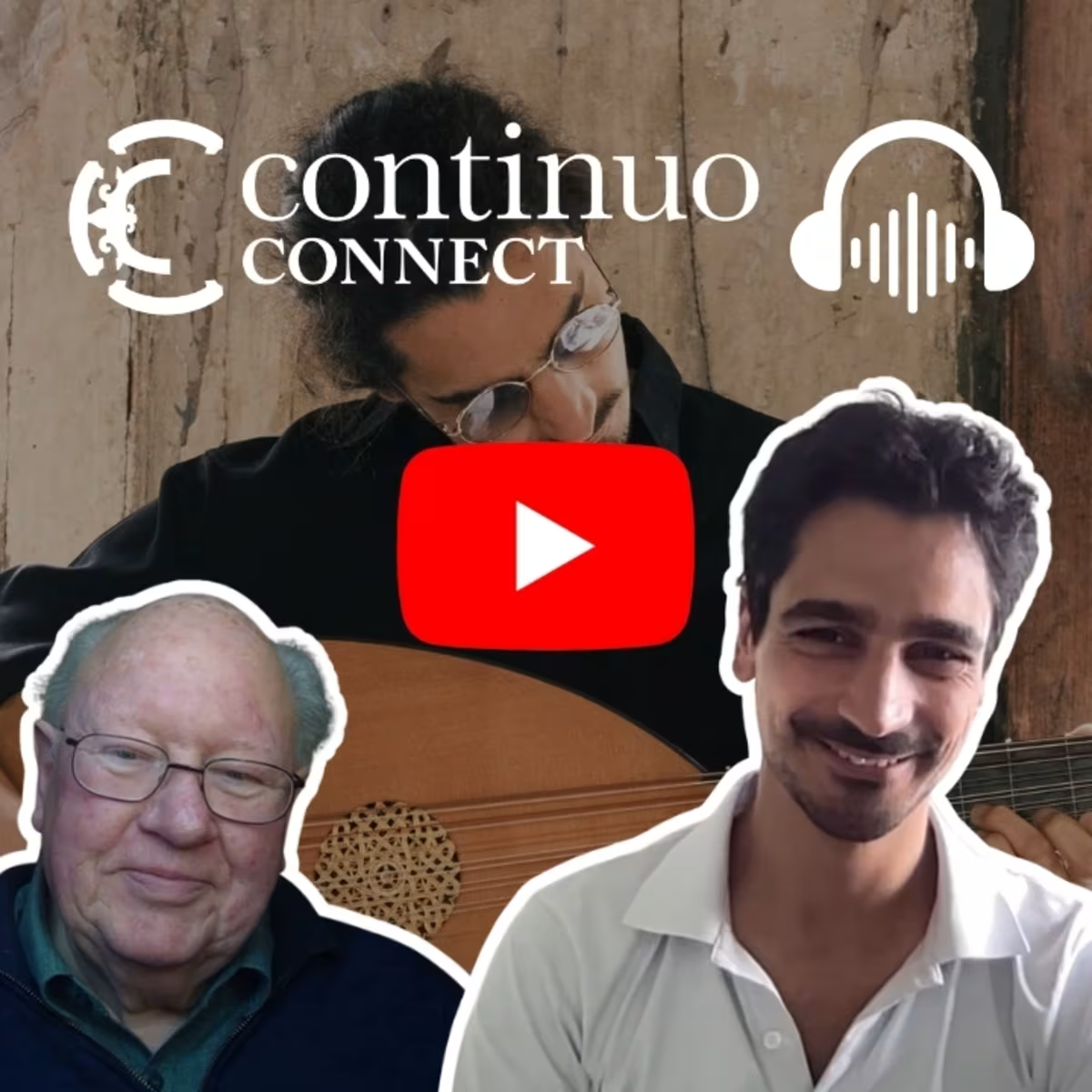
Sam Brown on Dowland and filtering history through a modern lens
Lutenist Sam Brown of Dowland's Foundry chats with Simon Mundy about how we interpret John Dowland, the formation of the ensemble around Emma Kirkby's kitchen table, and an exciting recording project in the pipeline.

Guitar Meets Square Piano: Nathaniel Mander and Declan Hickey
Continuo Connect talks to guitarist Declan Hickey and harpsichordist Nathaniel Mander about their upcoming “Dukatenkonzert” in London and the instruments they will be playing.
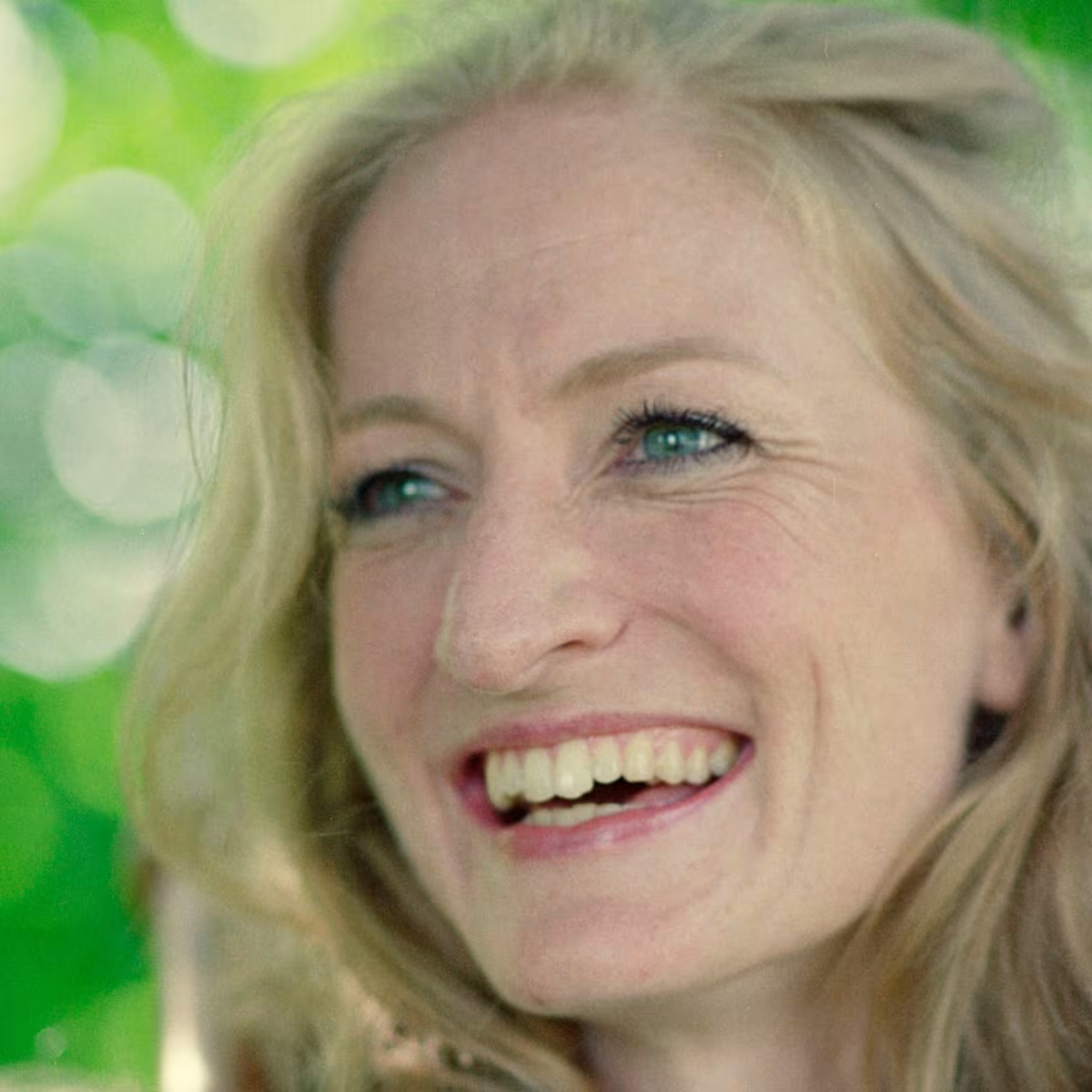
In conversation: Bolette Roed
Continuo Connect talks to the Danish recorder player Bolette Roed about her group, the Elephant House Quartet, and Copenhagen Baroque Festival.