

Feature
Celebrating 300 years of Academy of Ancient Music
Share this


BY ASHUTOSH KHANDEKAR | FIRST PUBLISHED 30 AUG 2026
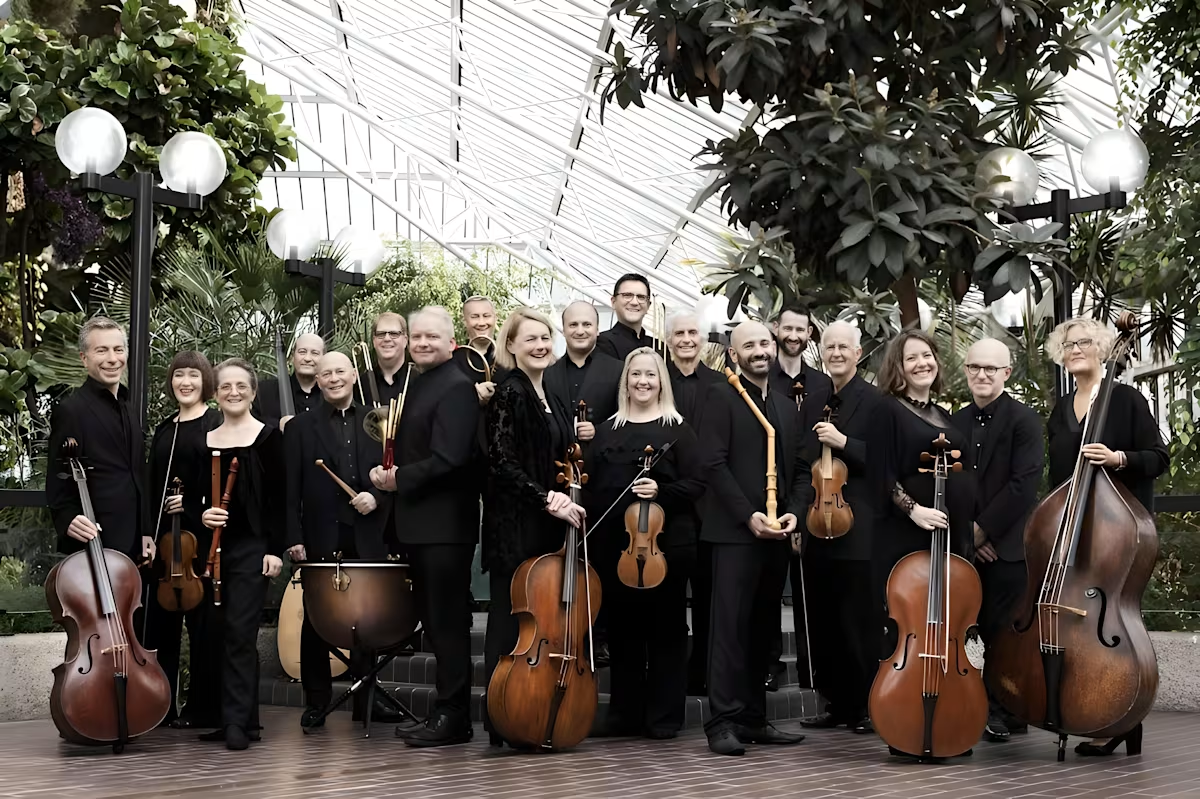
Three hundred years after the first Academy of Ancient Music was founded, its modern namesake is preparing a season that looks far beyond commemoration. Ashutosh Khandekar talks to Music Director Laurence Cummings and Chief Executive John McMunn about AAM’s legacy and its continuing impact on music-making.
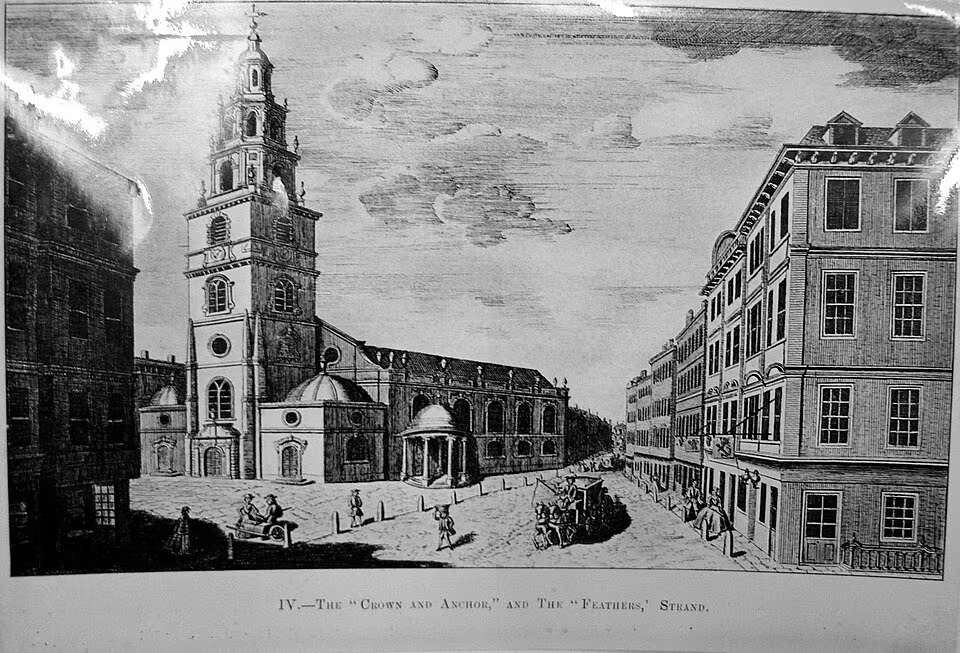
Like so many good ideas, it all began in a pub. On 1 February 1726, a group of musicians gathered at the Crown and Anchor Tavern on the Strand to form the Academy of Vocal Music. Nearly 250 years later, another musical adventure took shape amid conversations at the Marquis of Granby in Cambridge. The result, in 1973, was Christopher Hogwood’s Academy of Ancient Music: an orchestra that would change not only how the Baroque sounded, but how performers approached whole stretches of the Classical and early Romantic repertoire.
‘Historical performance was genuinely revolutionary. It felt renegade,’ says AAM Chief Executive John McMunn. ‘There was a huge amount of cultural energy around those years in the early 1970s, and Hogwood was exceptionally well suited to seize that moment.’ Music Director Laurence Cummings experienced the aftershock as a student: ‘We felt we were riding the crest of the wave that Christopher Hogwood and his colleagues had created. They stripped away the excesses of 19th-century performance practice that had almost hidden the music itself. It was like uncovering a painting beneath layers of overpainting.’
Hogwood knew the history attached to his orchestra’s name. The eighteenth-century Academy drew singers from the Chapel Royal and St Paul’s Cathedral together with composers, instrumentalists and cultivated amateurs; Agostino Steffani was its honorary president and Johann Christoph Pepusch its guiding musical presence. In 1731 it became the Academy of Ancient Music. ‘Ancient’ was an elastic category: its musicians cultivated pre-Reformation English polyphony, but also Purcell, Handel and Italian repertoire. Their purpose was not to embalm old music but to understand it by performing it.
There is no continuous institutional thread between the Academy that gave its last known concert in 1802 and Hogwood’s orchestra. The affinity is more interesting than that. Both treated performance as a form of enquiry, and both helped establish the past as a living repertory rather than something that must give way to whatever came next. As the present AAM marks 300 years with its 2026/27 Promethean season, that inheritance offers something more useful than an anniversary — a licence to begin again.
Richard Bratby’s superb history of AAM, Refiner’s Fire, published for the modern orchestra’s 50th anniversary, tells how radical that new beginning was. Drawing on the AAM archive and interviews with nearly 50 musicians, producers and colleagues, Bratby places the orchestra at the intersection of scholarship, 1960s counterculture and the golden age of classical recording. Hogwood did not invent historically informed performance: Harnoncourt and Leonhardt had laid foundations on the Continent, while David Munrow, Roger Norrington and others were unsettling convention in Britain. His achievement was to turn experiment into an orchestral identity with global reach.
‘Christopher Hogwood was the right person for the right moment,’ McMunn says. He combined musicology with sharp practical instinct. ‘He had strong ideas about what we’d then have called “authenticity” — although that’s not a word we really use now — but he also understood opportunity.’
That opportunity was magnified by Peter Wadland, the Decca producer whom Bratby presents as a co-architect of the AAM phenomenon. The orchestra’s first recording sessions, of Thomas Arne overtures in September 1973, already contained the blueprint: neglected repertoire, historical instruments and a sound capable of making the eighteenth century seem startlingly new. The alliance with L’Oiseau-Lyre then gave the AAM what concerts alone could not — repeated encounters with an international audience. Vivaldi reached the pop charts; Handel, Bach, Haydn and Mozart were recorded afresh; and Beethoven entered the argument too.
It could be a precarious sound. Natural horns cracked, old oboes bit and string intonation was not invariably immaculate. Nor was everyone persuaded: some listeners found the new leanness thin, emotionally cool or mannered. Later critics also pointed out that this supposedly recovered sound belonged partly to its own time — a clean, sharply articulated late-twentieth-century aesthetic, shaped by studio microphones and the developing technology of recording as well as by scholarship. That does not diminish the achievement. The evidence could set parameters, but musicians still had to use their ears and imaginations. Risk was part of what made the early performances feel new and alive.
That impact is now audible far beyond specialist ensembles. ‘You wouldn’t hear Handel or Bach today without expecting period instruments or at least an orchestra that has engaged seriously with historical style,’ says Cummings. The AAM’s recordings of Haydn, Mozart and Beethoven carried the same questions into the central orchestral canon, changing expectations of balance, articulation, tempo and instrumental colour. Historically informed performance ceased to describe a niche repertory and became a means of testing received ideas across the board.
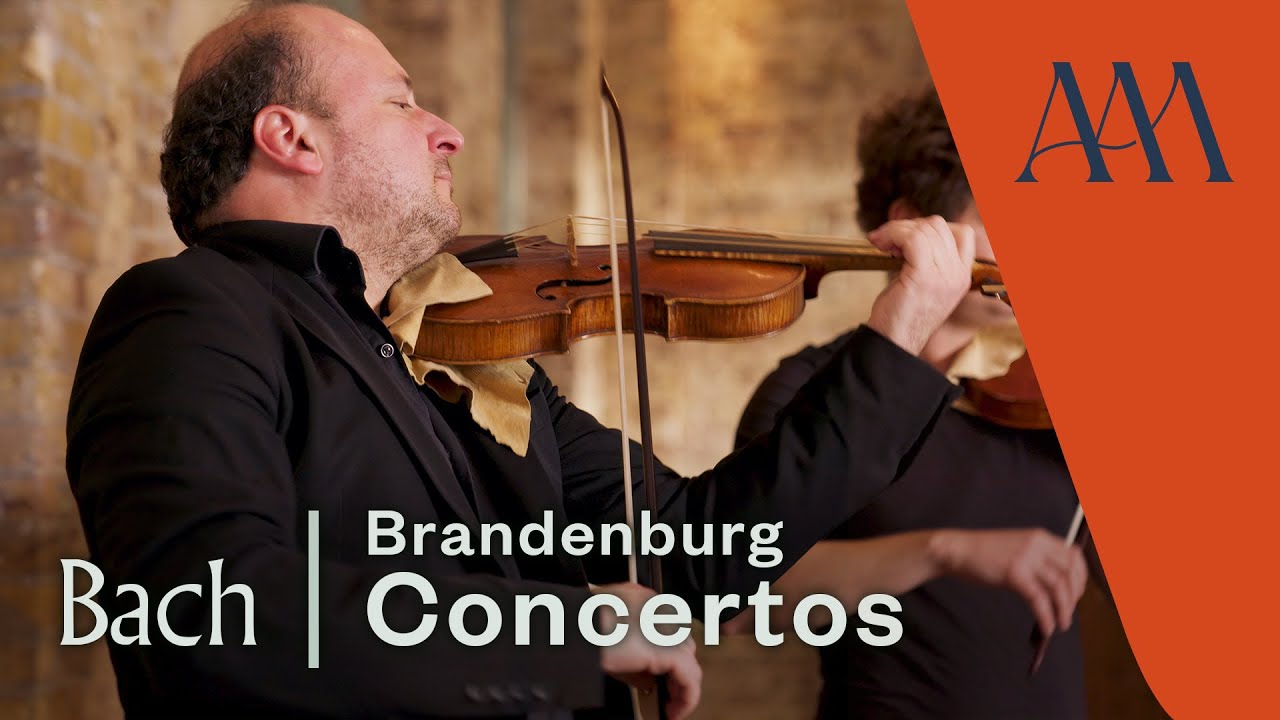 ▶
▶AAM performs the first movement of JS Bach's Brandenburg Concerto No. 3 in G Major
Success, however, brings its own constraints. ‘The irony is that historical performance has become so successful that it’s seen as part of the furniture,’ McMunn observes. ‘We’ve won the battle in many ways, but perhaps lost the war.’ Period performance, once a way of questioning every assumption, has become identified with ‘a narrow slice of musical history’. The AAM risks being perceived as a Baroque band when, as McMunn insists, ‘historical performance was a methodology, not a repertoire. Hogwood programmed Weber and Schumann – the frontier didn’t stop at 1750.’
Recovering that breadth isn’t merely a case of putting gut strings on modern violins. ‘Whenever we play Beethoven it feels like we’re pushing ourselves in exactly the way the original players must have done,’ says Cummings. ‘We go back to the original fingerings, the original bowings, and learn the music as if we were preparing the first performance.’ McMunn puts it another way: ‘We approach everything as though the ink is still wet on the page. We try not to assume anything. Every score raises fresh questions: which edition? which instruments? what forces? what style?’
The questions matter more than any claim to correctness. ‘I don’t really believe in authenticity as an absolute concept,’ McMunn says. ‘The power of historically informed performance isn’t that it’s somehow “correct”. It’s that asking these questions creates better art.’ Historical instruments impose resistance as well as offering colour: ‘They make certain gestures possible and others impossible. Understanding those possibilities gives performers extraordinary freedom.’
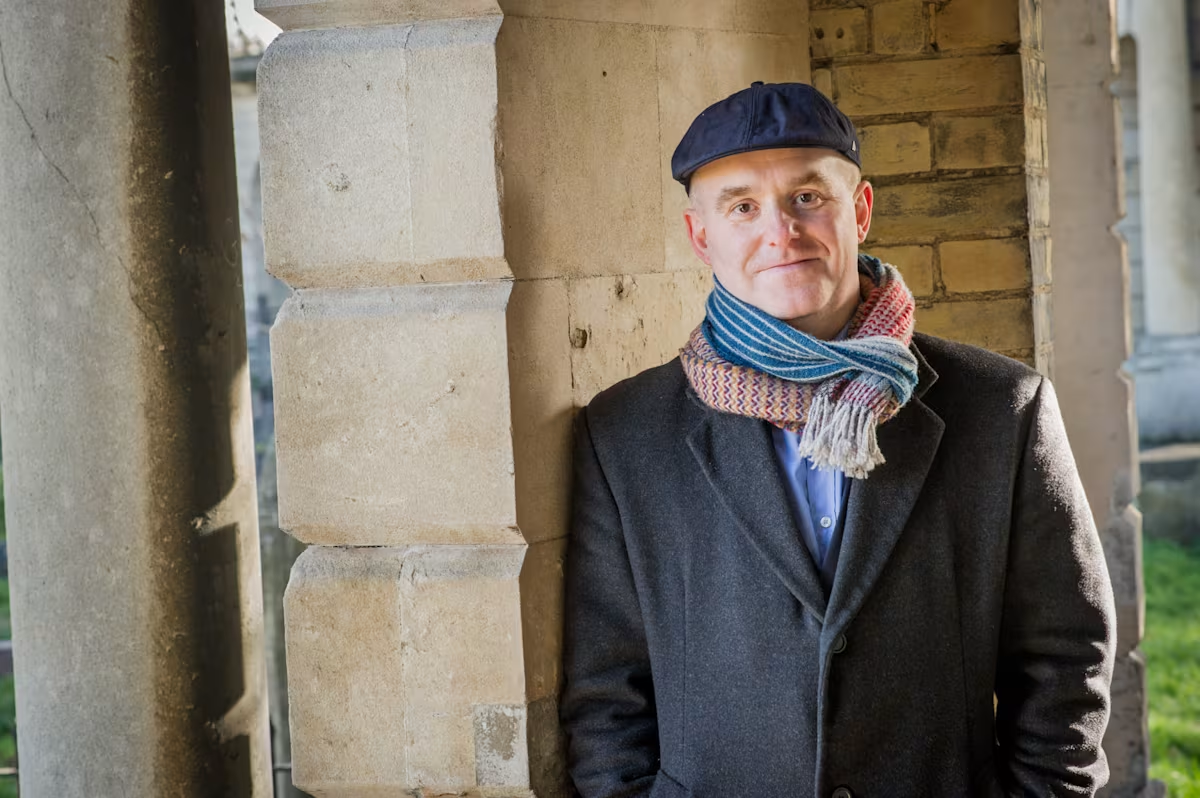
Cummings is equally wary of the word. ‘We’re not trying to recreate the 18th century exactly. What we’re looking for is authenticity to the occasion.’ Research supplies the conditions for freedom, not a substitute for it. ‘Whether it’s an appoggiatura or a particular bowing, those details only matter because they’re expressive devices. They’re the ingredients that help us catch the audience’s ear and draw them into our world.’ Or, more succinctly: ‘The preparation gives you the confidence to be spontaneous.’
Cummings has been determined to preserve what he calls the democratic spirit established by Hogwood: ‘It’s never “my Messiah”. It’s the Messiah we create together.’ The AAM’s players have devoted their careers not only to historic instruments but to historical ways of thinking. McMunn calls this ‘our superpower’, and it explains the orchestra’s determination to promote soloists from within its ranks rather than treating celebrity as a guarantee of interest.
Haydn has become an important testing ground. McMunn points to the orchestra’s symphony project as an example of scholarship still waiting to make the journey from academic journals into performance. Cummings relishes the practical consequences: ‘Haydn has reminded us that music-making was often much more playful than we’ve allowed ourselves to believe.’ Experiments with bow strokes, articulation and the passing of a musical line between sections may look untidy on paper, he says, but can sound ‘wonderfully alive in the hall’. It is a neat expression of the AAM method: research as permission to play rather than an instruction manual.
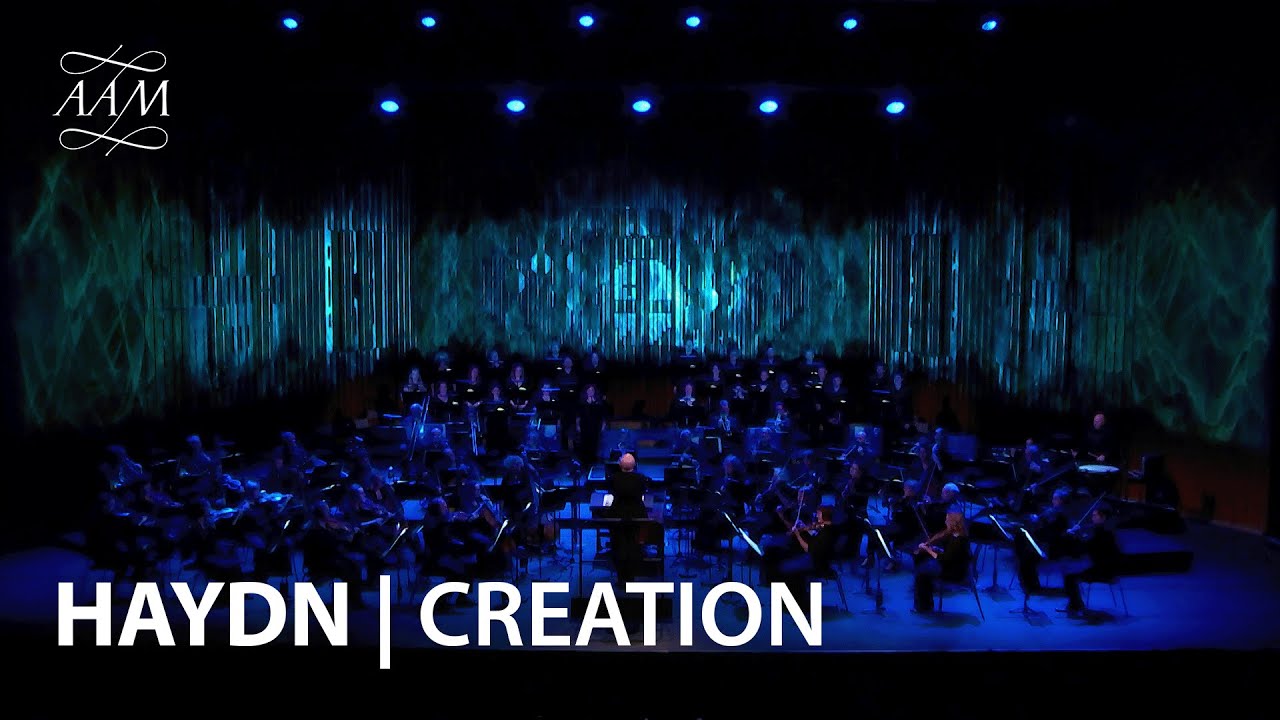 ▶
▶The heavens are telling from Handel's Messiah, featuring Mary Bevan (soprano), Stuart Jackson (tenor) and Matthew Brook (bass-baritone). This project was supported by a grant from Continuo Foundation.
The 2026/27 season turns those principles into programmes. It begins in 1765, a year of musical transition, setting Haydn’s fiercely energised Symphony No. 39 beside Mozart’s First Symphony and Telemann’s late cantata, Ino (30 Sept and 1 Oct). Monteverdi’s L’incoronazione di Poppea (17 Nov) and Handel’s Brockes-Passion (26 Mar) renew the AAM’s operatic and dramatic heart, while septets by Beethoven and Hummel (10 Feb and 11 Feb) push into the chamber music of the Romantic revolution. Bach meets Arvo Pärt (7 May and 8 May); William Lawes evokes the experimental world of Charles I’s court (21 Apr and 22 Apr); and the season ends with Beethoven’s The Creatures of Prometheus reimagined with contemporary circus company Circa (24 Jun). This is no chronological museum tour. It is a season built around the spark of enlightenment, collision of ideas and renewal.
It also looks beyond the old opposition between the concert hall and technology. AAM recordings now reach tens of millions globally, with more than a million listeners on Spotify each month. Yet, McMunn says, ‘the concert hall remains the engine room of everything we do. Nothing replaces sharing live performance with an audience. That’s where classical music truly lives. Digital media isn’t a replacement. It’s another doorway into the concert hall.’ Cummings goes further: the audience does not merely receive a performance but completes it. ‘Music only really comes alive when that energy travels in a circle.’
The story Bratby tells in Refiner’s Fire moves from discovery and success to the trickier business of reinvention. The orchestra lost the commercial recording model that had powered its rise and had to decide what still distinguished it in a musical world altered by its own success. The answer cannot be a trademark sound fixed in 1973. ‘We’re stewards of a legacy – not curators of a museum,’ says McMunn. ‘A legacy dies if it simply becomes a museum piece. We can’t spend the next 50 years replaying the greatest hits.’
Three centuries after Pepusch and his colleagues met in a London tavern, the most faithful tribute is, therefore, not to reproduce their answers but to recover their appetite for enquiry. ‘The challenge is to remain pioneers,’ says Cummings, ‘to keep asking questions, to keep exploring, and to bring new audiences into this extraordinary repertoire.’ McMunn is optimistic for the same reason. ‘Christopher Hogwood’s greatest legacy wasn’t period instruments. It was curiosity.’
The Academy of Ancient Music’s 300th anniversary season, Promethean, runs from 30 September 2026 to 24 June 2027, with concerts in Cambridge and at London’s Barbican Hall and Milton Court. London tickets are available through the Barbican; Cambridge subscriptions and tickets are available through AAM. Full-season Cambridge bookings and Barbican multi-buy packages receive a 15% discount. Programmes and booking details are available on AAM's Continuo Connect artist profile.
Share this
Keep reading
Hugh Cutting: a countertenor in counterpoint
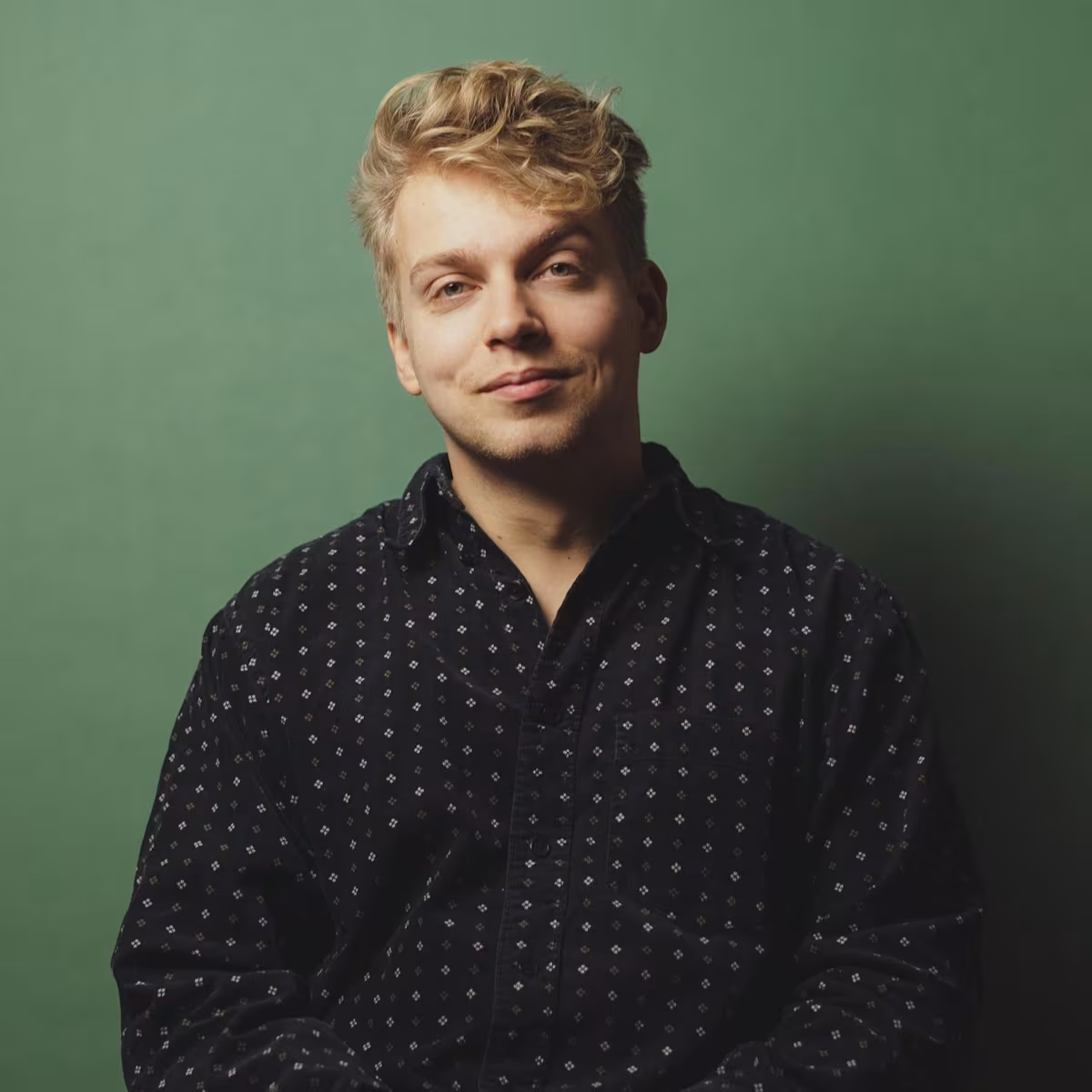
Countertenor Hugh Cutting talks to Continuo Connect about the physical joy of singing, Bach’s gifts to the countertenor and his determination to make music from the past speak to the present.
Playlist: Continuo Patrons
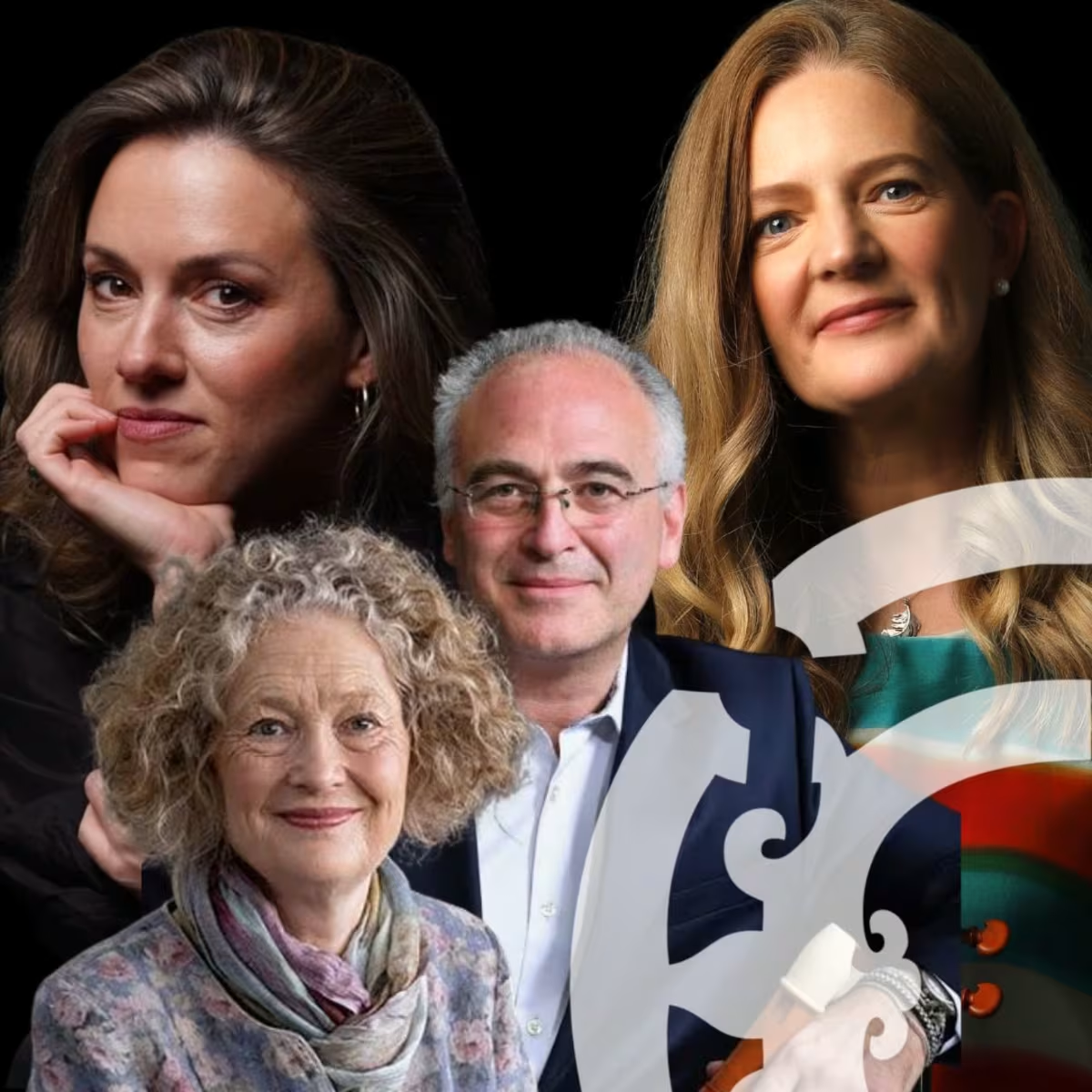
A playlist of tracks by Continuo Foundation Patrons Mary Bevan, Emma Kirkby, Rachel Podger and Ashley Solomon in celebration of the UN International Day of Charity.
Sam Brown on Dowland and filtering history through a modern lens
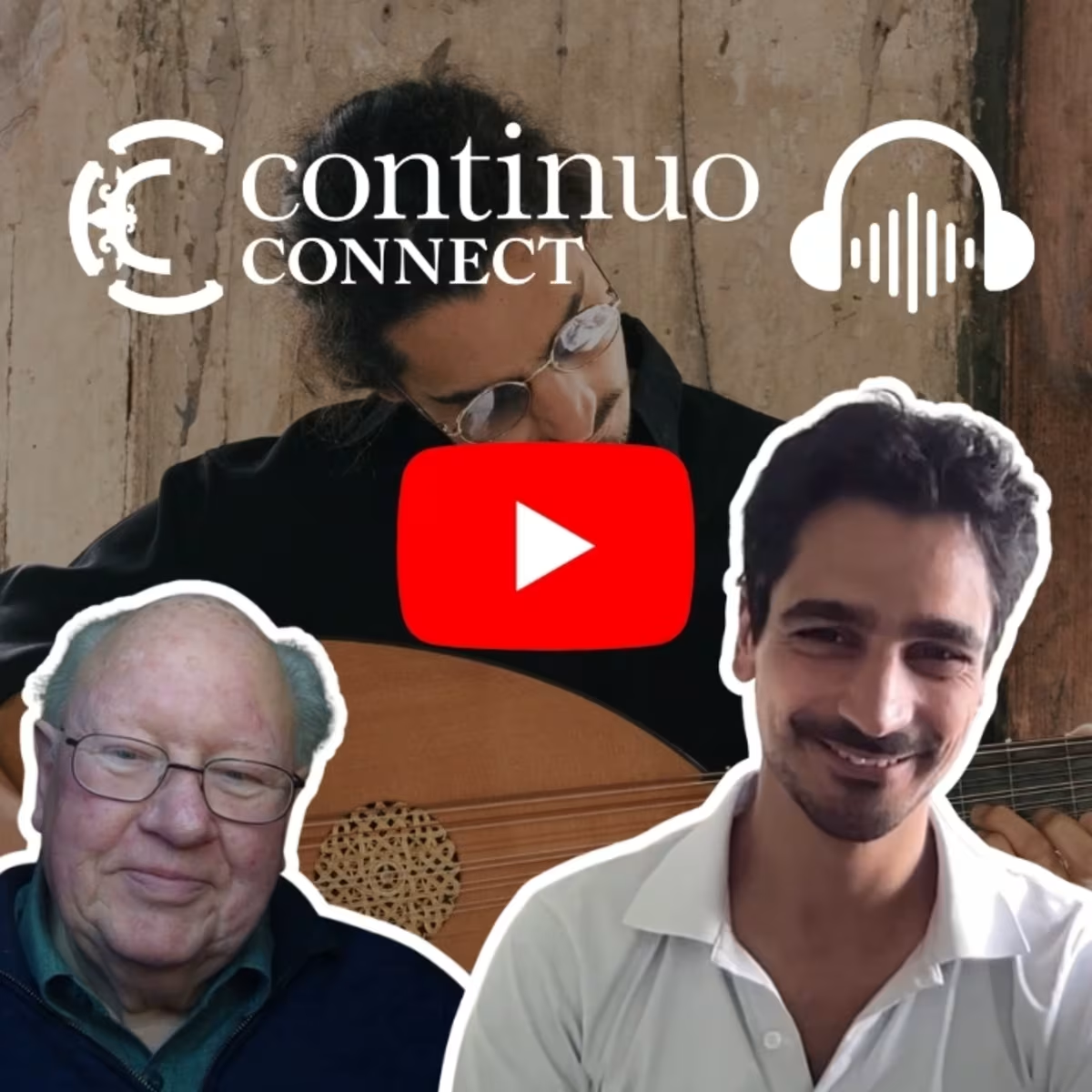
Lutenist Sam Brown of Dowland's Foundry chats with Simon Mundy about how we interpret John Dowland, the formation of the ensemble around Emma Kirkby's kitchen table, and an exciting recording project in the pipeline.