

Feature
Baroque in the sun: Valletta’s winter escape
A preview of the 2026 edition of Valletta Baroque Festival
Share this

BY SIMON MUNDY | FIRST PUBLISHED 27 DEC 2025
Europe in January is not usually the most clement place to have a festival, but Malta is close enough to North Africa for the temperature to be very pleasant, if a little chilly in the evening. Malta can be thought of as a group of small rocky islands in a very rough sea, as many of the Phoenician and Venetian sailors wrecked against its cliffs found out the hard way, but it is also a cosmopolitan country with some of the most opulent Baroque buildings outside Italy and Spain. There are many churches. In a country shaped by repeated invasions and periods of exile, Catholicism became a source of constancy and deep-rooted devotion for the Maltese. They were also ruled for centuries by the holy, but very military, order of the Knights of St John, whose cathedral is Valletta’s and contains Carravagio’s particularly gruesome depiction of the Saint's beheading.
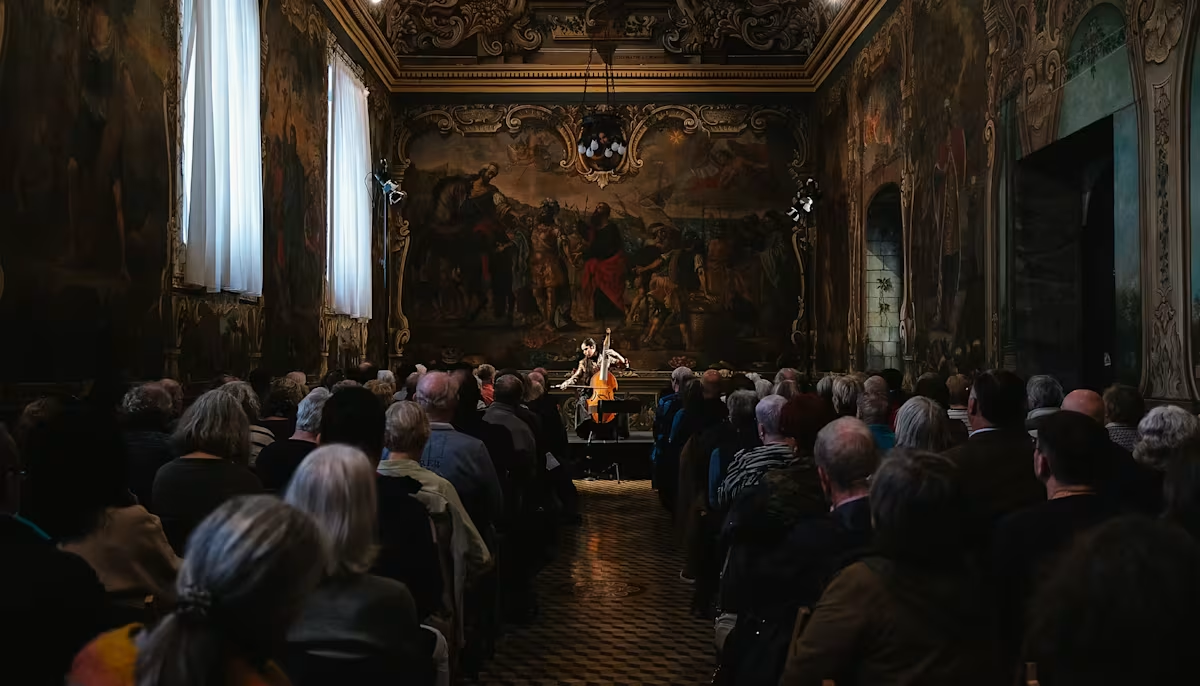
The Valletta Baroque Festival (8–25 Jan 2026), led by the formidable Kenneth Zammit Tabona, ventures into many more superb spaces than the churches, however. There are concerts in the Verdala Palace in nearby Siġġiewi, Palazzo Parisio in Naxxar, and the gorgeous Teatru Manoel, the country’s National Theatre dating from 1732. In fact, there are events all over town, because the Maltese capital and its environs have an abundance of venues, perfect for the most intimate lute recital or a full-blown choral work.
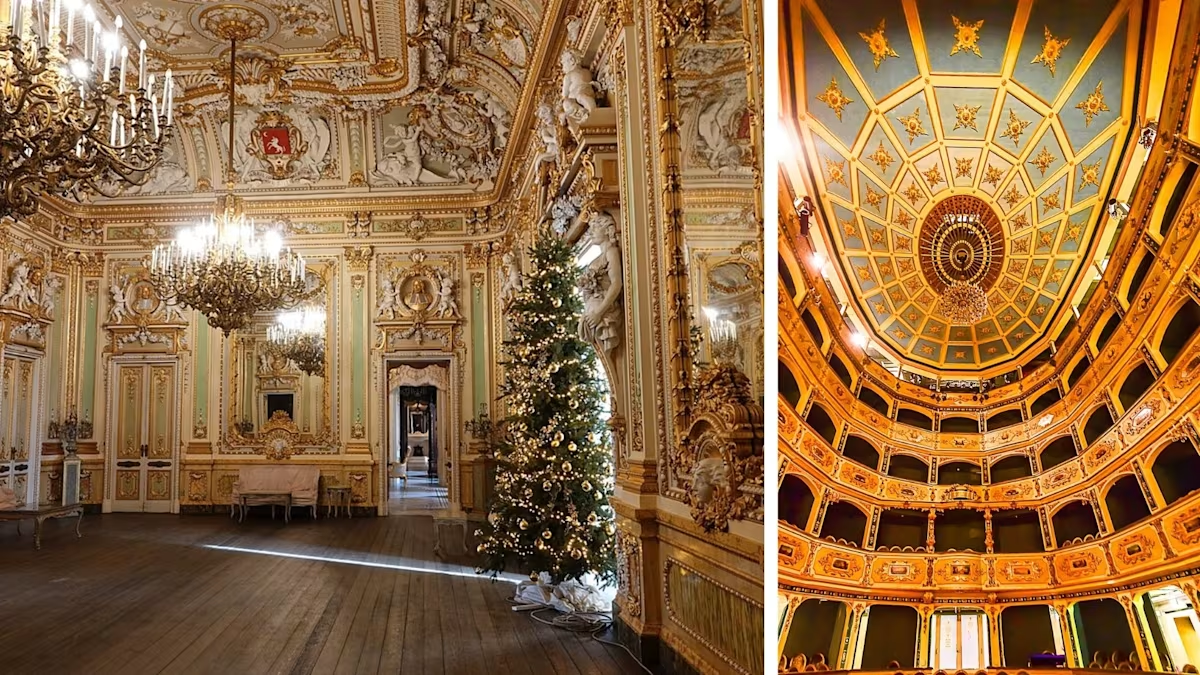
The festival is in its 14th year, yet is one of those events that one feels should always have been happening. The settings are so inviting, the venues so right for the intimacy of Early Music. A perfect example is on the morning concert on the second day of the festival (9 January, 11.30am) when Dimos Goudaroulis gives a recital on the violoncello piccolo, a rare instrument that was briefly fashionable in the 18 century, rather like the junior cellos the under-10s would use today. Joined by harpsichordist Bruno Procopio, he will be playing in the narrow but splendidly ornate oratory of the Jesuits' Church Oratory of the Onorati. Among several other beguiling concerts, there are highlights. On 13 and 14 January, there are performances of Bach’s Lutheran Masses in St Dominich’s Church. These will mark the debut of the Excelsior Choir and Consort, put together at Zammit Tabona's instigation and comprising mainly British players, directed (and singing the bass solos) by Eamonn Dougan, the associate conductor of The Sixteen.
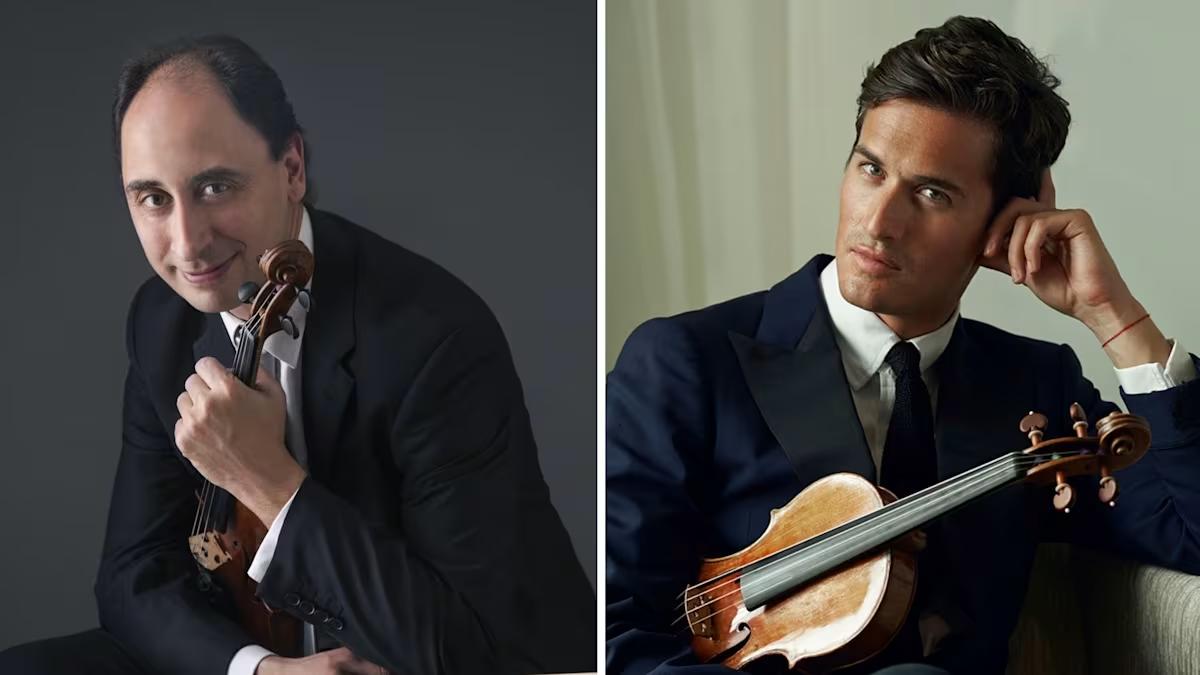
There is another newly-formed ensemble to be heard on the morning of 17 January: the De Vallette Chamber Orchestra, with Maltese violinist Carmine Lauri, who was co-leader of the London Symphony Orchestra for many years. He directs concerti grossi by Albinoni and Corelli. Again the links to London are strong, with Matthew Denton and Emma Denton of the Carducci Quartet much in evidence. The venue is the Casino Maltese, not a public casino but a grand private club that occupies the site of the old treasury of the Knights of St John. Roughly the same forces will be giving The Four Seasons their inevitable survey the next evening (18 January, 5pm) in the Teatru Manoel, featuring Carmine Lauri and Charlie Siem as soloists.
Also inevitable, but always welcome are the Goldberg Variations, here played at a morning concert on the harpsichord by Nathaniel Mander. The first venue (21 January) is the Verdala Palace, dating from the 1580s, in the middle of Malta's main island. It is the summer residence of Malta’s President, and previously of the British Governor. Then, the following evening (22 January, 6.30pm) Mander will repeat the variations back in the centre of town at the Casino Maltese. Both offer a rare opportunity to see their interiors, as neither venue is normally so accessible.
Girolamo Abos (1715–1760) is not a composer who features frequently in festival programmes, but in his time he had a good reputation in Italy. Born in Malta, his career was spent in Naples, where he was a pupil of Leonardo Leo. His Stabat Mater is thought of as his finest piece and it will be performed by the Valletta Baroque Ensemble in the Church of St Catherine (16 January at 6.30pm) in Żurrieq, a township on the other side of the airport from Valletta.
This concert forms the taster for the grand finale of the festival, the production of Abos’s long-lost opera, Pelopida, originally commissioned by Rome’s Teatro Argentina in 1747 and not seen since. The revival performances, by the Arianna Art Ensemble in the Teatro Manoel on 23 & 25 January, are conducted by Giulio Prandi and staged by Brett Nicholas Brown, with tenor Valentino Buzza in the title role in this story of revolt against tyranny in ancient Thebes – like all historical opera, an allegory for the vicious politics of the times (and now ours).
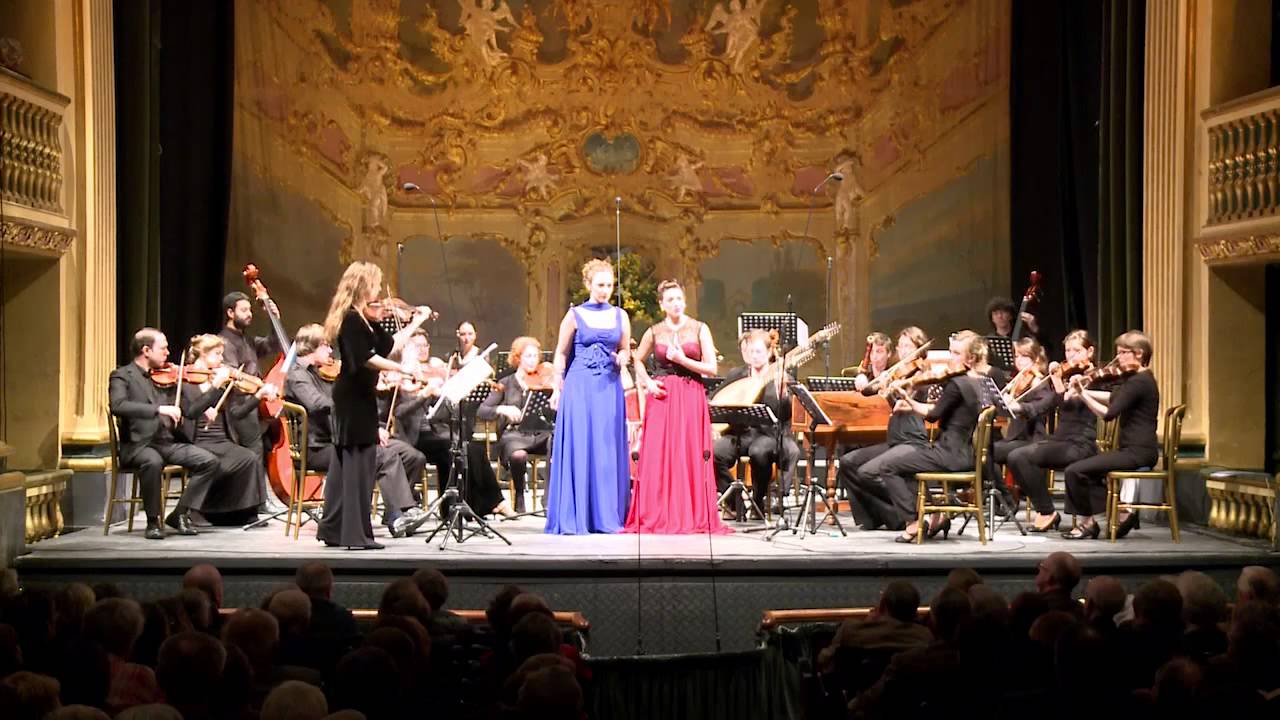 ▶
▶Excerpts from the concert performance of Abos’s opera, Pelopide (1747), performed at the inaugural edition of Valletta Baroque Festival in 2013
While the opera is on show, Valletta will be awash with people from the Early Music scene as REMA (the European Network for Early Music, based in Paris) holds its annual General Assembly there between 20 and 22 January. REMA now has nearly 100 members, including the Continuo Foundation. Alongside attendance at the festival and the voting, the assembly will focus its workshops on the issues surrounding sustainability. It makes sense for REMA to meet in Malta now, not just because of the festival, but because Malta has a crucial role in European political life at the moment, with its representatives holding the Commissioner for Culture's seat in the European Commission, and the Presidency of the European Parliament. Just as in Baroque times, the arts and politics are never too far apart.
The 14th edition of Valletta Baroque Festival will be held in Valletta and and its environs between 8 and 25 Januaey 2025. Visit the festival website for the full programme of events.
Listen to the official playlist of Valletta Baroque Festival 2026.
Share this
Keep reading

Owain Park: Half a dozen of one
Ten years on from their Cambridge debut, The Gesualdo Six continue to redefine choral performance through imagination and collaboration.
Playlist: The Gesualdo Six
This playlist explores The Gesualdo Six's extensive discography, featuring some new works commissioned by the group, alongside a wide range of early music.
Cantoría | ‘A la fiesta, zagales’: Spanish Baroque at Wigmore Hall
Cantoría leads listeners into a vibrant Spanish festive world filled with the joyful energy of Baroque villancicos, carols, jácaras and dances.