

Feature
Bach’s ‘St John Passion’: balancing human drama and spiritual devotion
Share this

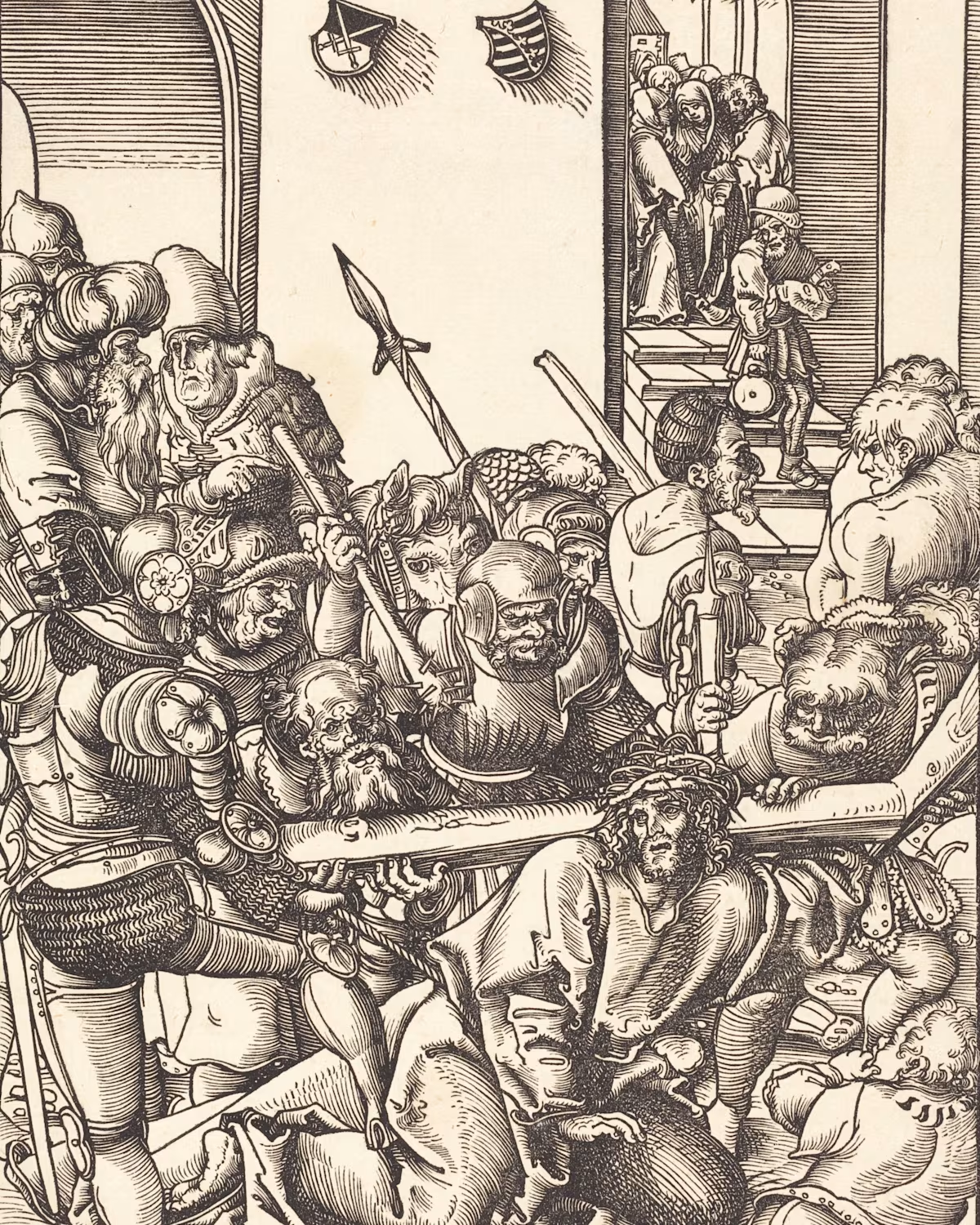
BY ASHUTOSH KHANDEKAR | FIRST PUBLISHED 7 MAR 2026
Few works in sacred music feel as immediate as Bach’s St John Passion. If the later St Matthew Passion unfolds on a broader and more contemplative canvas, the Johannes-Passion is tighter, more concentrated, and dramatically alert. Written for Good Friday Vespers in Leipzig in 1724, it was the first Passion Bach presented in his new role as Thomaskantor. Bach wanted to make his mark, and from the outset, it’s clear that the music is not just a backdrop to the Good Friday liturgy. This is storytelling at its most gripping.
The opening chorus, ‘Herr, unser Herrscher’, wastes no time. The orchestral writing is restless and churning, harmonies rub against one another, and the atmosphere feels unsettled rather than consoling. John Eliot Gardiner has spoken of the work’s ‘almost unbearable dramatic tension’, observing that in the St John ‘Bach is closer to the theatre than anywhere else in his sacred music.’ It’s an observation that rings true: this is sacred music with dramatic bite.
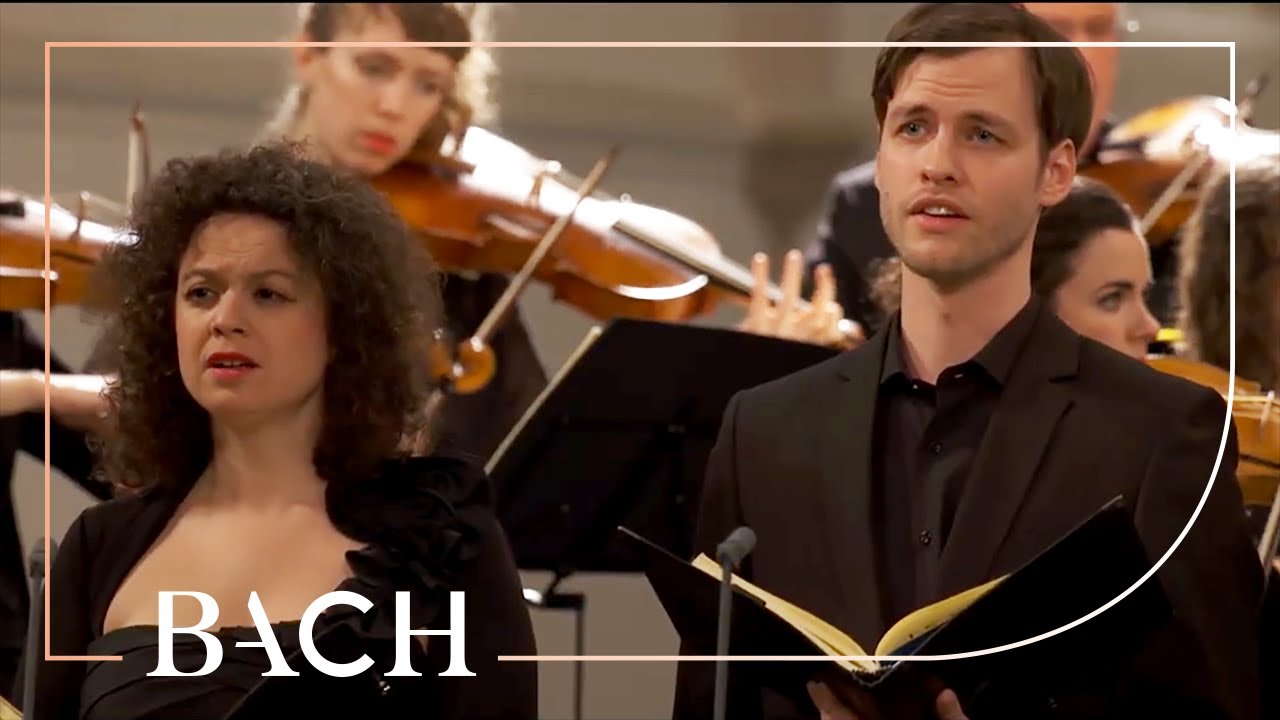 ▶
▶The opening chorus, ‘Herr, unser Herrscher’ from JS Bach’s St John Passion | Netherlands Bach Society conducted by Jos van Veldhoven
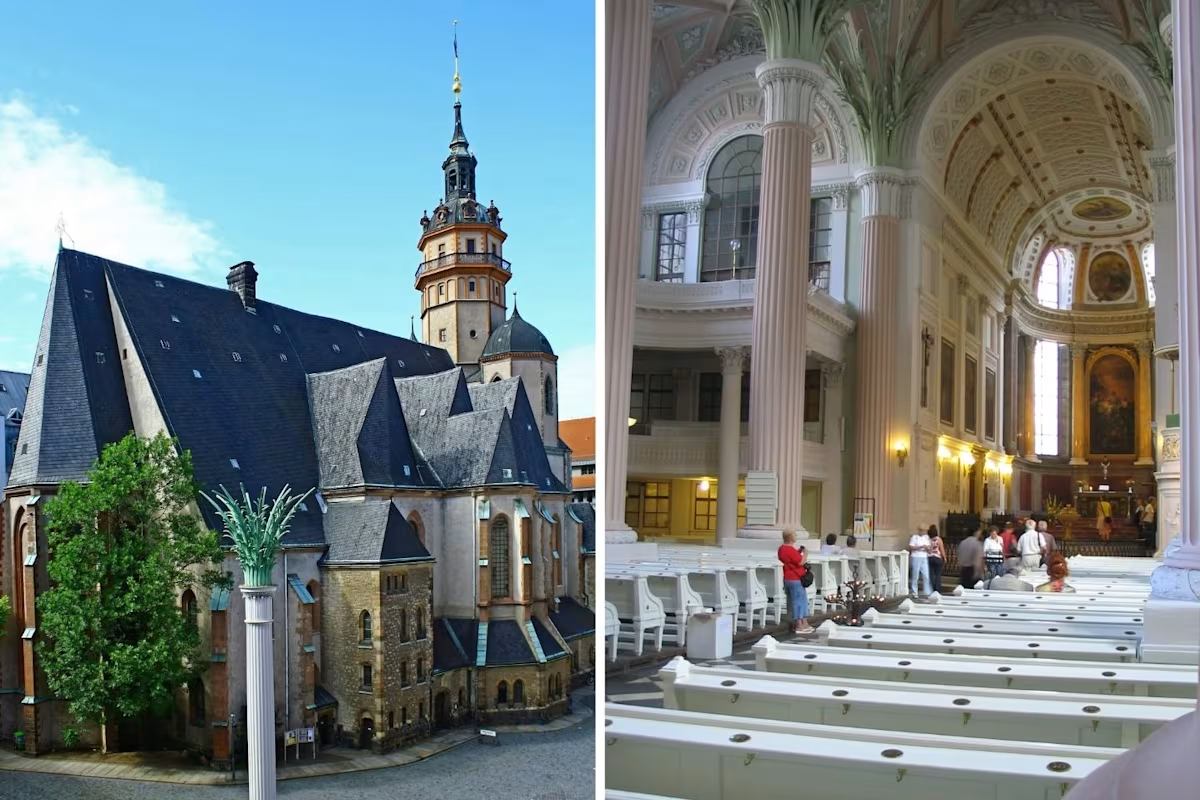
The first performance took place on Good Friday, 7 April 1724, in Leipzig. Although Bach was based at St Thomas Church, the Passion was performed that year at St Nicholas Church instead. The change of venue was ordered by the town council only days before the service. No clear explanation survives, but the simplest one is probably the right one: St Nicholas was the larger church and better able to accommodate the congregation. Even masterpieces, it seems, are subject to municipal logistics.
As part of the Good Friday Vespers, the work was divided into two halves by a sermon. The congregation would have heard chapters 18 and 19 of John’s Gospel in Luther’s German translation, interwoven with reflective poetry and well-known chorales. Bach’s structure is clear and practical: narrative recitative moves the story forward; arias give pause for reflection; chorales provide a collective response.
Bach did not treat the St John Passion as a fixed text. He revised it several times – in 1725, again in the 1730s, and towards the end of his life. Openings were replaced, closing movements rethought, arias reshaped. Today’s performances draw on different versions, and conductors must decide which path to follow. These choices are not simply editorial; they influence the overall tone of the piece, from its first bars to its final chorale. Steven Grahl, who will conduct the work with Oxford Bach Soloists (1 & 3 Apr), speaks from long experience here: ‘My relationship with the St John Passion has developed over nearly forty years. I first sang it as a child, and I have subsequently performed it as singer, keyboard player, and conductor. I now understand more deeply the musical language, the relationship between the text and musical gesture, and can appreciate the technical challenges, and complexities of the score. What has remained the same is the captivating quality of the work as a dramatic narrative, and its raw emotional impact on performers and listeners.’
What gives the work its distinctive energy is its narrative momentum. Unlike Handel’s Messiah, which meditates on prophecy and fulfilment, the St John Passion tells a story in real time. The Evangelist – a demanding tenor role – is central. Gardiner has called him ‘the nervous system of the piece,’ and that description feels apt. Everything depends on the clarity and pacing of his recitative. The best Evangelists combine textual precision with an instinct for drama; too detached, and the story loses urgency; too overwrought, and it risks becoming hammy melodrama.
The crowd choruses — the so-called turba movements — are some of the most vivid music Bach ever wrote. In ‘Kreuzige! Kreuzige!’ the chorus provides more than just a commentary – it actually becomes the mob baying for Christ’s death. Entries are sharp, rhythms incisive. You can practically hear the blows of the hammer on nails. For Johanna Soller, who will conduct the work with the Orchestra of the Age of Enlightenment this Easter (29 Mar), these crowd scenes gain force from contrast: ‘Against Christ’s imperturbable, almost sovereign calm, all the human brutality, violence and weakness appear all the more blatant and shocking’. Nikolaus Harnoncourt insisted that these passages must never sound polite: ‘This is not church decoration. It is human drama.’ Harnoncourt’s performances helped shift perceptions of the Passion in the late 20th century, emphasising its dynamic and dramatic rather than monumental qualities.
Und die Kriegsknechte flochten eine Krone von Dornen | Sei gegrüßet, lieber Judenkönig! | Und gaben ihm Backenstreiche. | Kreuzige, kreuzige! | Pilatus sprach zu ihnen | Wir haben ein Gesetz, und nach dem Gesetz soll er sterben | Da Pilatus das Wort hörete, fürchtet' er sich noch mehr | Nick Pritchard (Evangelist), William Thomas (Christus), Alex Ashworth (Pilate), The Monteverdi Choir, English Baroque Soloists, Sir John Eliot Gardiner
Set beside the later St Matthew Passion, the contrasts are striking. The St Matthew is grander in scale, written for double choir and double orchestra, and unfolds with a more expansive sense of reflection. Its opening chorus establishes a vast architectural frame. The St John, by contrast, feels leaner and more direct. Where the Matthew lingers over sorrow – ‘Erbarme dich’ being the obvious example – the St John is constantly urging us to move forward. Its drama is more concentrated, the pacing more urgent.
There is a theological distinction, too. John’s Gospel presents a Christ who seems composed and purposeful even in suffering, while Matthew’s account places greater emphasis on anguish and abandonment. Bach mirrors this difference in sound. In the St John, Jesus often sings with a halo of sustained strings, subtly setting him apart from the surrounding texture. In the Matthew, emotional weight frequently falls on the reflective arias that weave among the narrative. Matthew invites extended contemplation; John, meanwhile, confronts the listener more directly with actions and their consequence. Pontius Pilate is given a wealth of melodic invention that demands empathy while Peter is, symbolically, given only three notes!
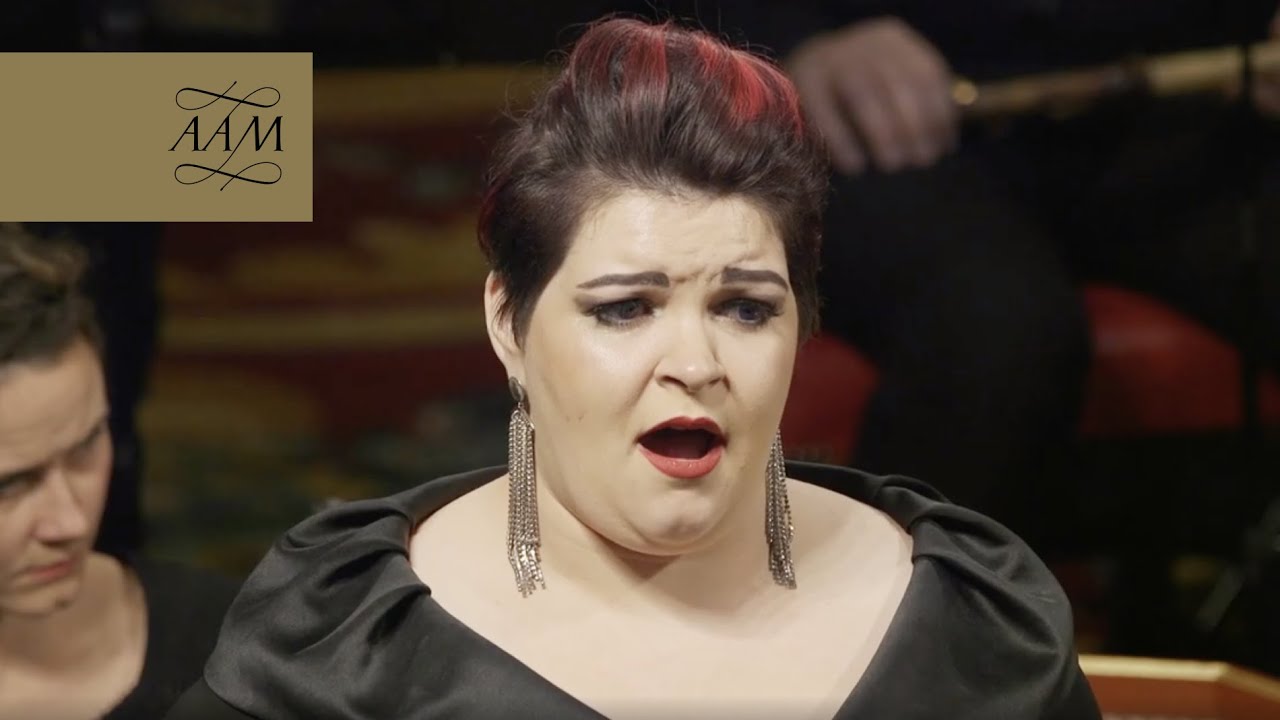 ▶
▶‘Est ist vollbracht’ from St John Passion | Claire Barnett-Jones (mezzo-soprano), Academy of Ancient Music, Peter Robinson
Yet the St John is not all confrontation. Its arias provide moments of stillness within the drama. The alto aria ‘Es ist vollbracht’, accompanied by viola da gamba, is often described as the emotional centre of the work. Its outer sections are spare and inward; the central episode briefly gathers strength before subsiding again. Philippe Herreweghe has spoken of the aria’s power lying in its restraint. Many performers take the same view, favouring clarity and control over overt display. Johanna Soller points to the way the composer repeatedly opens out spaces for contemplation within the Passion’s violence. ‘Bach allows the listener to meditate on paradoxes at the heart of the work – above all the mystery that “through your prison, Son of God, freedom has come to us”. It’s the contrasts and paradoxes that make the work endlessly fascinating.’
The closing chorus, ‘Ruht wohl’, brings a sense of quiet resolution. Its gently rocking rhythm suggests farewell without sentimentality. A final chorale returns the work to the shared voice of the congregation. The arc from agitation to stillness is one of the Passion’s most satisfying structural features.
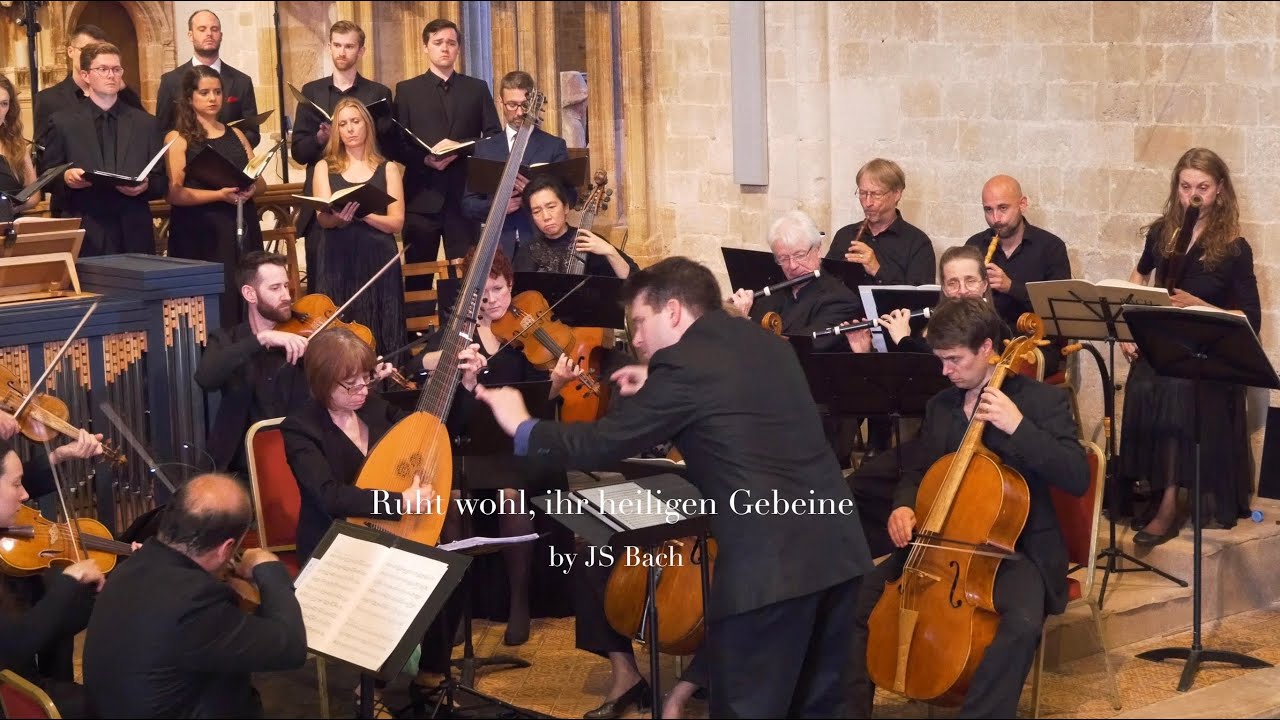 ▶
▶‘Ruht wohl, ihr heiligen Gebeine’ from St John Passion | VOCES 8, VOCES8 Scholars, Apollo5, Academy of Ancient Music, Barnaby Smith
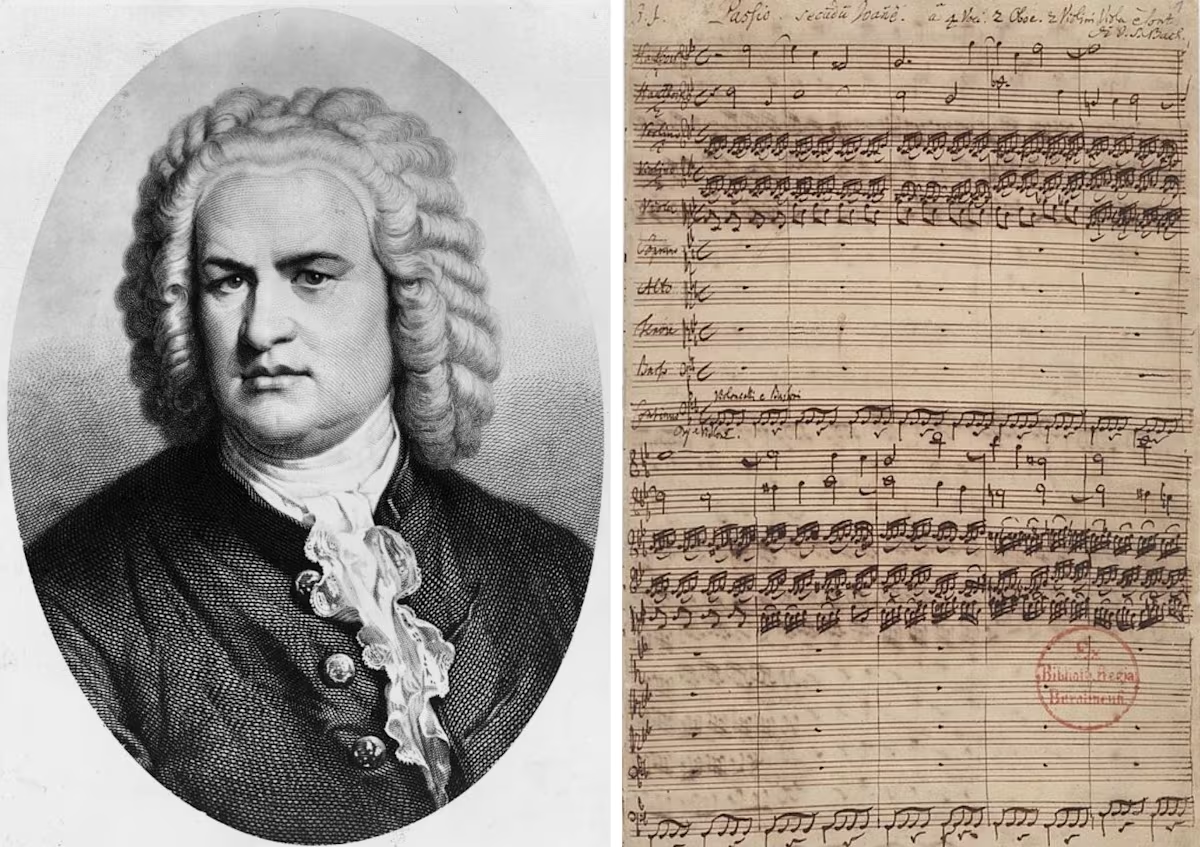
Musicologists have written volumes attempting to de-code Bach’s complex numerology and symbolism. Jeffrey Skidmore, director of Ex Cathedra, hints at the scale of the work’s complexity: ‘There is a mass of symbolic detail in the St John: the crowing cock sounded by the dominant 7th arpeggio; the cross-like structure of movements that have Chorale 22 as the centre; the semiquaver pattern in the cello part representing the shaking of the dice and the key of E-flat representing moments of hope. The list could be long and is impressive, the more so because the work goes beyond mere intellect and is the source of endless new discoveries.’
Performance practice has shifted considerably over time. The 19th century favoured large choral forces and a symphonic sound. The historically informed movement of the late 20th century reduced those forces, emphasising clarity of articulation and rhetorical shape. Harnoncourt in particular highlighted speech rhythm and dramatic edge; Gardiner brought narrative cohesion and momentum; Herreweghe often seeks transparency and balance. Debates continue about whether to use one singer per part in the choruses or a small choir, and about tempo choices that tilt the work towards theatre or contemplation.
Rezitativ ‘Derselbige Jünger war dem Hohenpriester bekannt’ from St John Passion | Soloists (Evangelist, Maid, Peter, Jesus, Servant), Concentus Musicus Wien, Nikolaus Harnoncourt
In the 21st century, the conversation has widened again. Recent interpreters often approach the St John Passion not only as sacred music but as a living dramatic text that must speak to contemporary audiences. Some conductors emphasise its volatility — the sudden shifts of mood, the flashes of irony, the unsettling energy of the crowd scenes. Others lean into its intimacy, allowing space around the arias and treating the chorales less as statements of doctrine than as moments of collective questioning. The use of period instruments tends to be a given rather than a novelty, exploring a sound world that emphasises the immediacy of Bach’s text setting. Younger conductors such as Raphaël Pichon, with his ensemble Pygmalion, bring an engaging emotional transparency, treating the Evangelist as vivid narrator and the arias as fragile psychological testimony.
Staging the work has become central to this renewed engagement. In Berlin, Peter Sellars, collaborating with Sir Simon Rattle and the Berlin Philharmonic, transformed the Passion into ritual theatre: his singers moved, reacted to and inhabited the narrative physically, implicating the audience in the unfolding violence and grief.
 ▶
▶Peter Sellar’s staging of St John Passion | Radio Choir Berlin (Simon Halsey, chorus master), Berlin Philharmonic Orchestra, Sir Simon Rattle | Recorded at the Berlin Philharmonie, 16 March 2019
At the English National Opera, Deborah Warner’s staging similarly placed the drama in a recognisably modern world, with the chorus functioning as a contemporary crowd — not distant biblical figures but people disturbingly like ourselves. The effect was not to ‘modernise’ Bach superficially, but to expose the St John Passion’s enduring questions about power, complicity and moral choice.
This approach reflects a franker acknowledgment of the work’s reception history: the Gospel of John’s language has been used in anti-Jewish ways. Many performers now address this context directly in programme notes and public discussion, acknowledging that interpretation of religious music carries a degree of ethical responsibility. Bach’s work speaks intimately of the relationship between our visceral human nature and our longing for a higher purpose. As baritone Roderick Williams has remarked of Bach’s Passion settings, the music ‘invites honesty above all else. If you try to impose too much, it resists you.’
Jeffrey Skidmore gives in to any resistance: ‘Bach’s music is simply the greatest!’ he enthuses. ‘It seems to cross international boundaries, from Japan to Brazil; composers revere his work, from Mozart to MacMillan. No-one writes happy music like Bach, or sad music, or love-songs. In fact, all the emotions can be found in his work. His music is uplifting, it makes you want to dance, to move, to be joyful, to be alive. It should be available on the NHS!’
Three centuries after its first performance in Leipzig, the St John Passion continues to excite our emotions and intellect in equal measure. It doesn’t rely on sheer scale for its impact; instead, it draws strength from clarity of structure, economy of means and a keen dramatic instinct. Compared with the grand architecture of the St Matthew Passion, St John speaks in a more focused voice that adapts readily to different forces, different spaces and different cultural contexts. From concert hall to opera stage, from historically informed chamber forces to major symphony orchestras, it has shown a remarkable capacity to inhabit the present.
Click here for a round-up of period-instrument performances of Bach's St John Passion across the UK in the run-up to Easter. Featuring Monteverdi Choir & Orchestras, Baroque in the North, Brook Street Band, Norwich Baroque, Orchestra of the Age of Enlightenment, Oxford Bach Soloists, Ex Cathedra, London Handel Orchestra and The Hanover Band & Chorus...
You can also hear other choral masterpieces by Bach live in concert. Here are the upcoming period-instrument performances of his St Matthew Passion, Easter Oratorio and Mass in B minor around the UK.
Share this
Keep reading
Touching Bach: an immersive experience of the St John Passion
If we find a piece of music “touching”, it means it makes us feel something. But, like most metaphors, this one has a literal dimension, which becomes very evident when you dig into its history.
In conversation: Samuel Ng
Continuo Connect catches up with Samuel Ng, cellist and gamba player with the newly formed Republic of Viols and Liturina.
The Best of Rachel Podger
This playlist celebrates 'the unsurpassed British glory of the baroque violin' (The Times) - that is of course Rachel Podger.