
Elizabeth Walker
Elizabeth has written three award-winning study books, ‘Baroque Flute Studies’ (Winner – Best Flute Method NFA 2015), ‘Baroque Studies for Modern Flute’ (Winner – Best Flute Method NFA 2017) and most recently 'Melodies for Baroque Tone and Interpretation' which she recently showcased at the London International Festival of Early Music in Blackheath. All her books are published and available at www.wonderfulwinds.com.
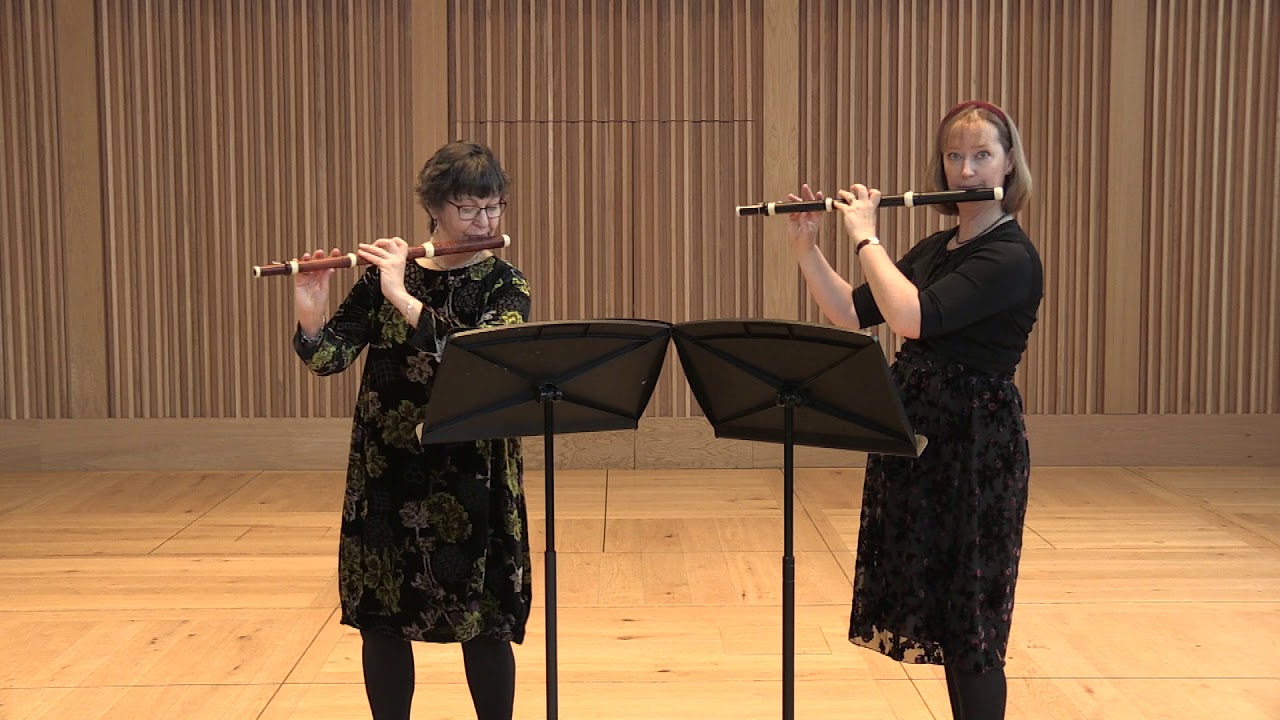
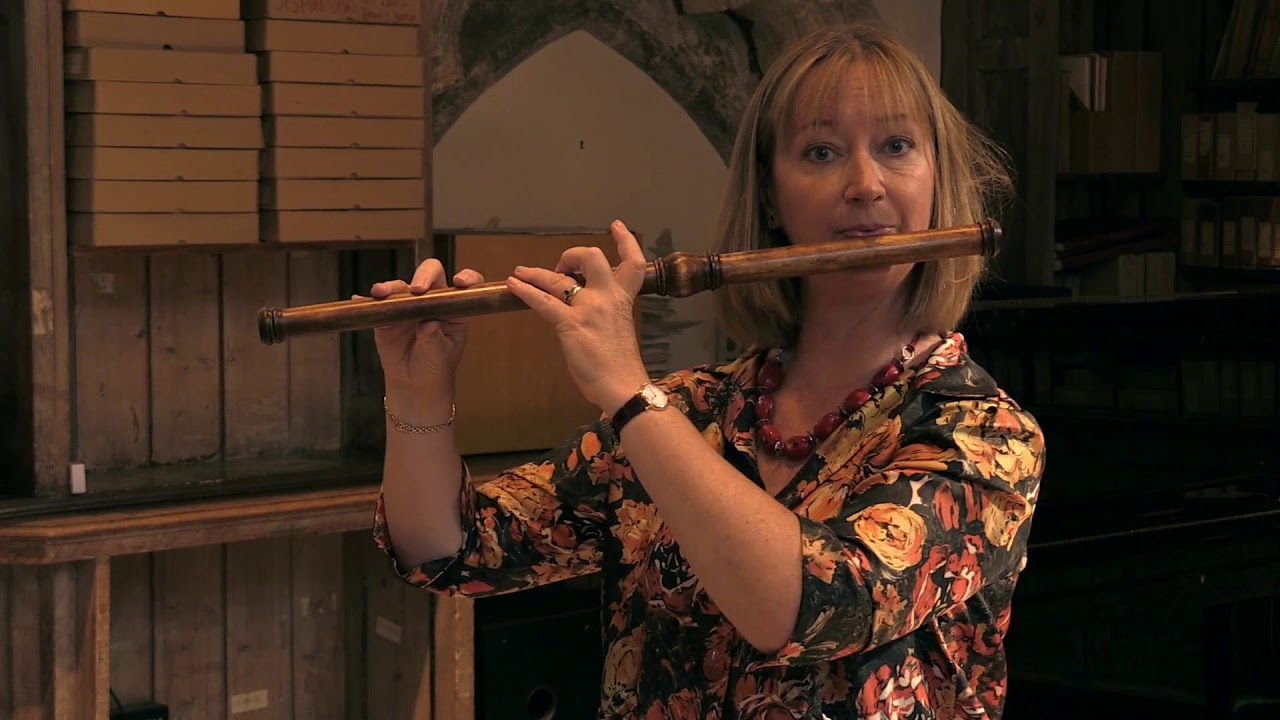
Elizabeth studied at the Royal College of Music as a Junior Exhibitioner (where she was awarded the Sally Wainwright woodwind prize in 1985) and as a graduate at the Guildhall School of Music and Drama, studying renaissance flute with Nancy Hadden, baroque and eight – keyed classical flute with Stephen Preston and modern flute with Kathryn Lukas. She went on to do a postgraduate study of Early Music at the Koninklijk Conservatorium in The Hague, studying with Wilbert Hazelzet and receiving masterclasses from Barthold Kuijken. During this time as a student, she was involved in a number of recordings for the New London Consort under the Decca label (recorded using her maiden name – Elizabeth Stanbridge) including; Susato Danserye 1551, The Sylvan and Oceanic Delights of Posilipo, Monteverdi Vespers 1610, Locke Psyche, Blow Venus and Adonis and Telemann Water Music.
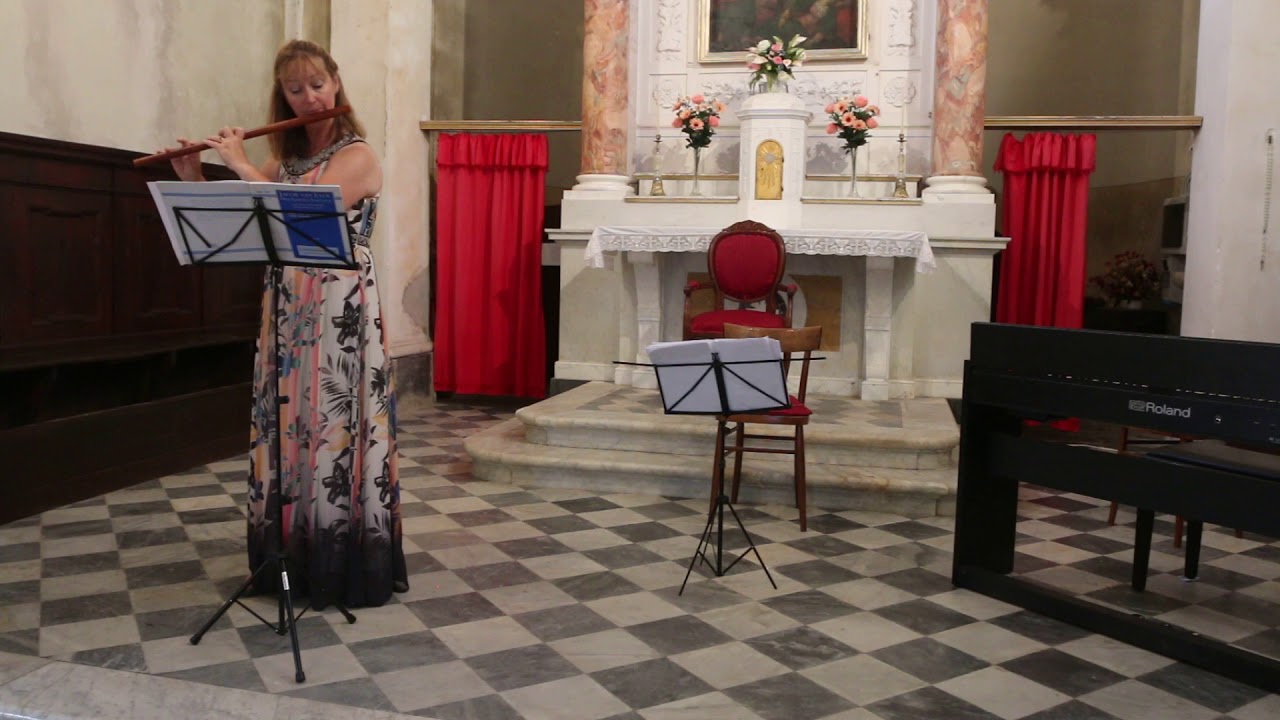
Elizabeth runs 'Flutes in Tuscany', an annual flute course which offers tuition, masterclasses and chamber groups to talented young flautists and adults. She is an Artist for Pearl Flute and taught for many years at the specialist music school in Wells.


Biography

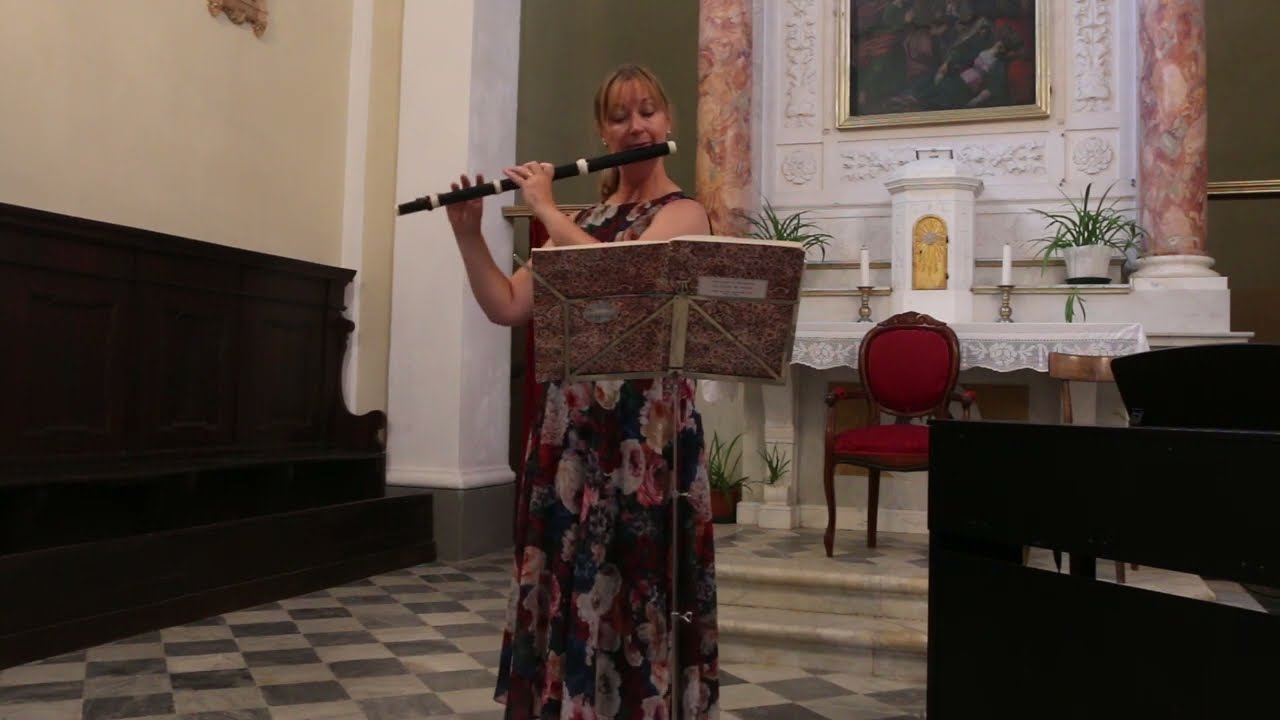
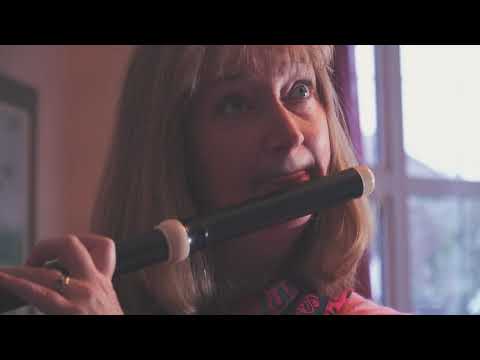
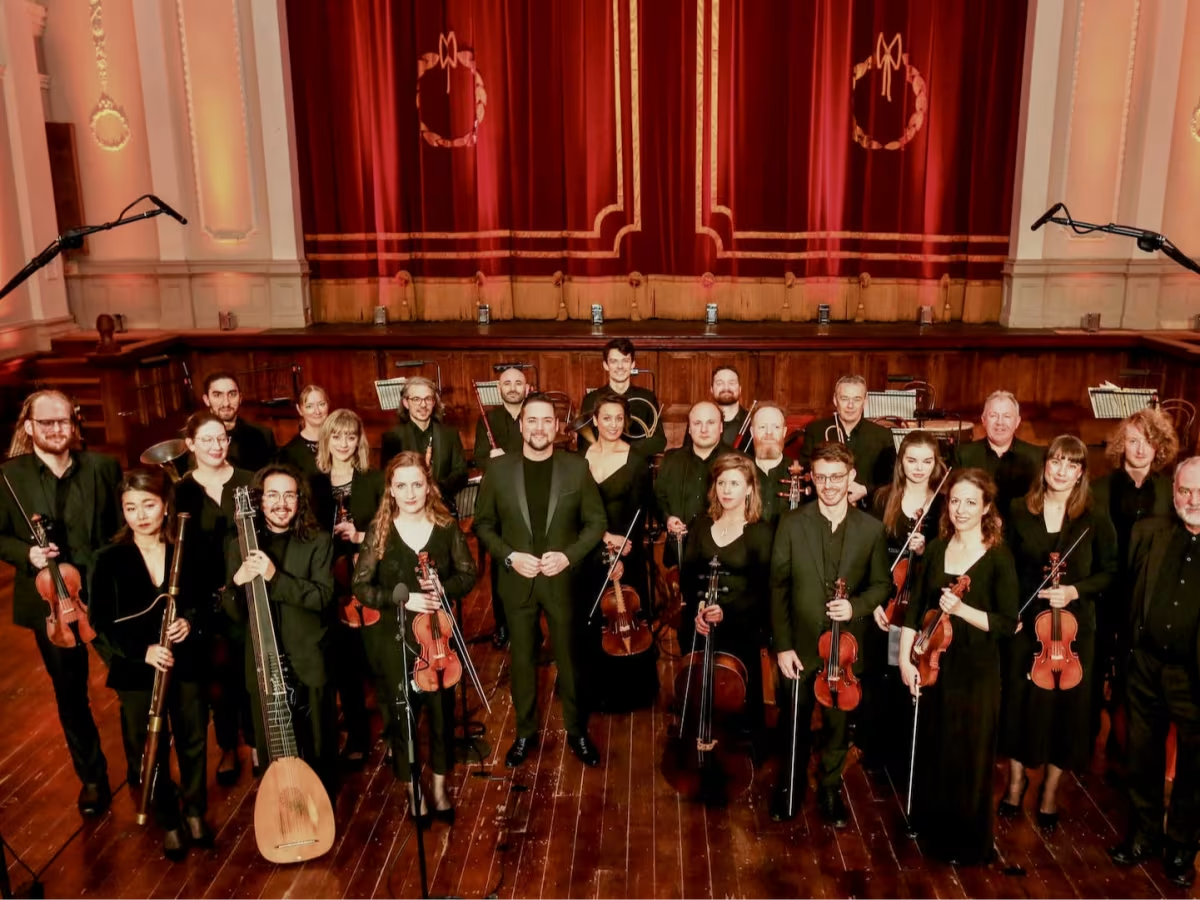
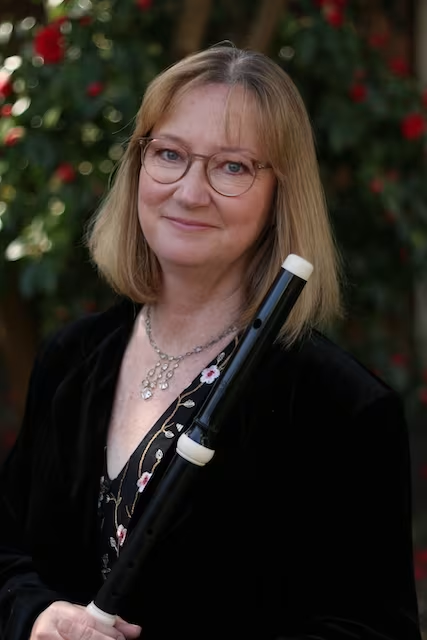
Elizabeth Walker plays principal flute for a number of orchestras, most notably the Monteverdi Choir and Orchestra. She has recorded the Telemann 12 Fantasias and Flute Sonatas by J.S. Bach (with her group Continuum) and Schubert’s works for flute and piano for ‘Devine Music’ using her original Louis Lot flute, no 435, coupled with Chopin’s Pleyel piano dating from 1848.
Elizabeth has written three award-winning study books, ‘Baroque Flute Studies’ (Winner – Best Flute Method NFA 2015), ‘Baroque Studies for Modern Flute’ (Winner – Best Flute Method NFA 2017) and most recently 'Melodies for Baroque Tone and Interpretation' which she recently showcased at the London International Festival of Early Music in Blackheath. All her books are published and available at www.wonderfulwinds.com.
Elizabeth studied at the Royal College of Music as a Junior Exhibitioner (where she was awarded the Sally Wainwright woodwind prize in 1985) and as a graduate at the Guildhall School of Music and Drama, studying renaissance flute with Nancy Hadden, baroque and eight – keyed classical flute with Stephen Preston and modern flute with Kathryn Lukas. She went on to do a postgraduate study of Early Music at the Koninklijk Conservatorium in The Hague, studying with Wilbert Hazelzet and receiving masterclasses from Barthold Kuijken. During this time as a student, she was involved in a number of recordings for the New London Consort under the Decca label (recorded using her maiden name – Elizabeth Stanbridge) including; Susato Danserye 1551, The Sylvan and Oceanic Delights of Posilipo, Monteverdi Vespers 1610, Locke Psyche, Blow Venus and Adonis and Telemann Water Music.
Elizabeth runs 'Flutes in Tuscany', an annual flute course which offers tuition, masterclasses and chamber groups to talented young flautists and adults. She is an Artist for Pearl Flute and taught for many years at the specialist music school in Wells.
Share this

Watch