
Tonus Peregrinus
The ensemble now has a diverse discography on Hyperion, Naxos, and 1equalmusic. Acclaim in the BBC Music Magazine, Fanfare, Gramophone, and The Telegraph speaks for itself: 'utterly spellbinding', 'heatedly recommended', 'utterly beguiling', and 'gloriously sung by this superb choir', as does the prestigious Cannes Classical Award for the No. 1 album and debut release of Arvo Pärt: Passio, and Gramophone's 'Editor's Choice' for Passio and for the first Hyperion album of Antony’s music, Seven Letters and other sacred music.
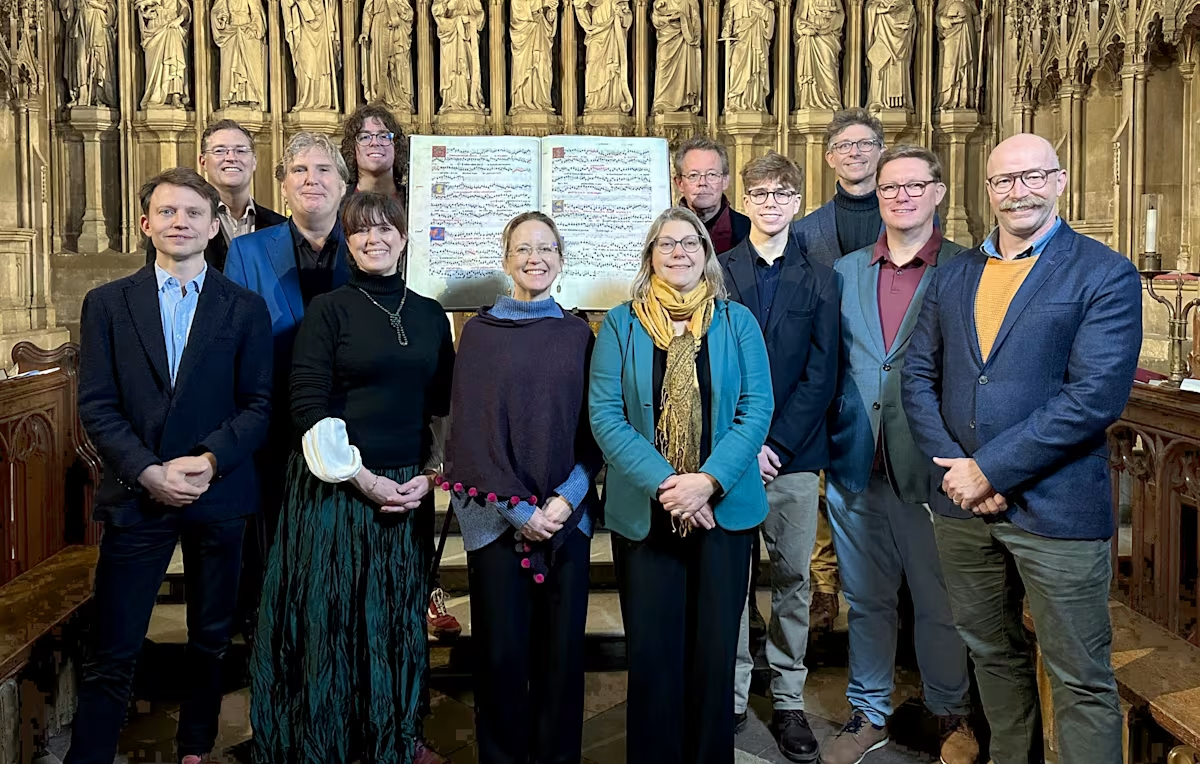
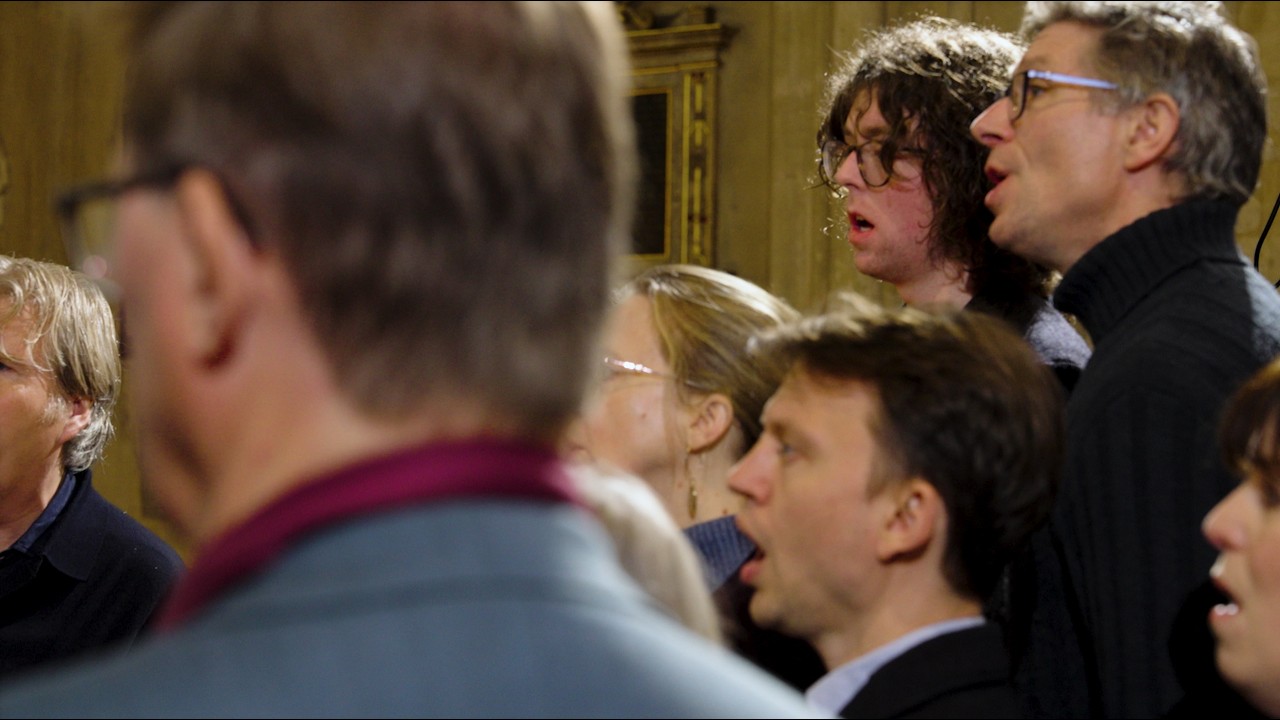
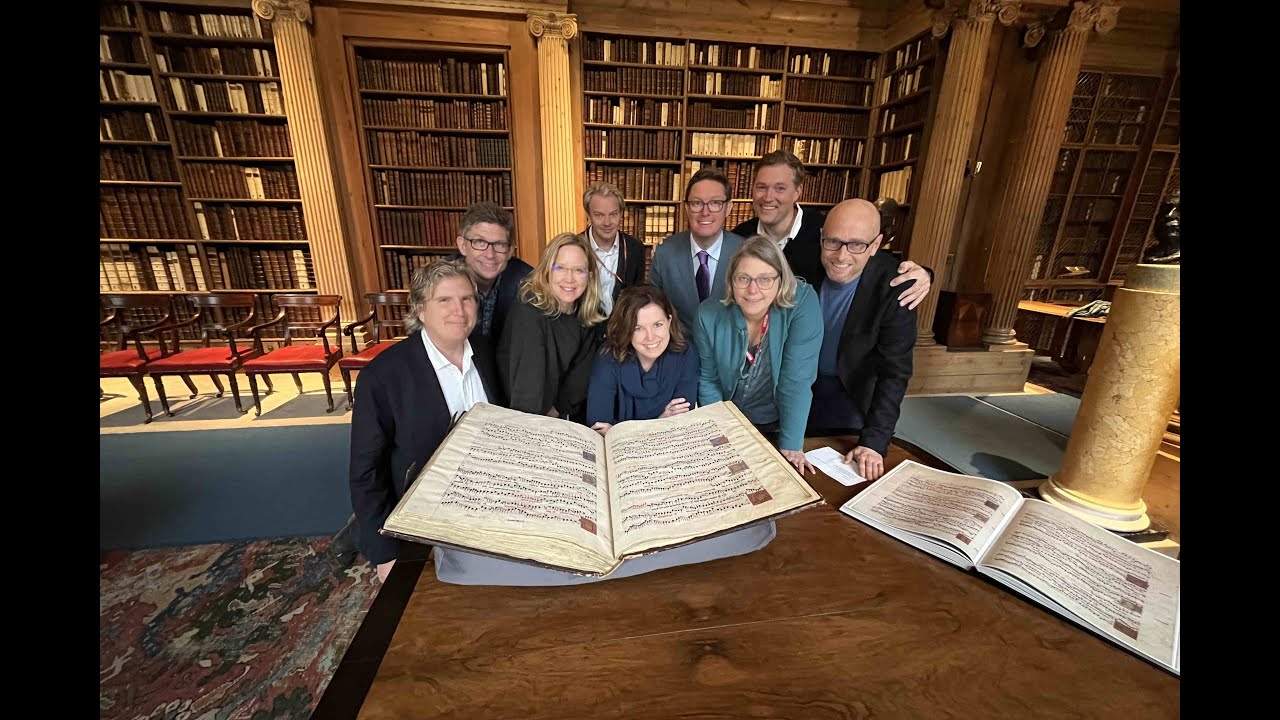
At the core of Tonus Peregrinus are a dozen musicians – notably, Joanna Forbes L’Estrange, Rebecca Hickey, Kathryn Knight, Alexander L’Estrange, Richard Eteson, Benedict Hymas, Alexander Hickey, Alex Knight, Francis Brett, and Nick Flower – who combine their diverse expertise to interpret a repertoire ranging from the end of the Dark Ages through a wide range of 'Old Masters' to the latest scores. As an ensemble of friends over more than three decades, our experience ranges across the musical spectrum – from leading and singing in many ensembles, including directing The Swingle Singers, The Amaryllis Consort, and The Song Company, to spearheading music production and publishing at places as varied as Faber Music, Hyperion Records, and BBC Radio 3, as well as distinguished extramusical trajectories in law and beyond. When we gather to record in the studio or to perform live, these individual experiences combine to create our unique sound and style.
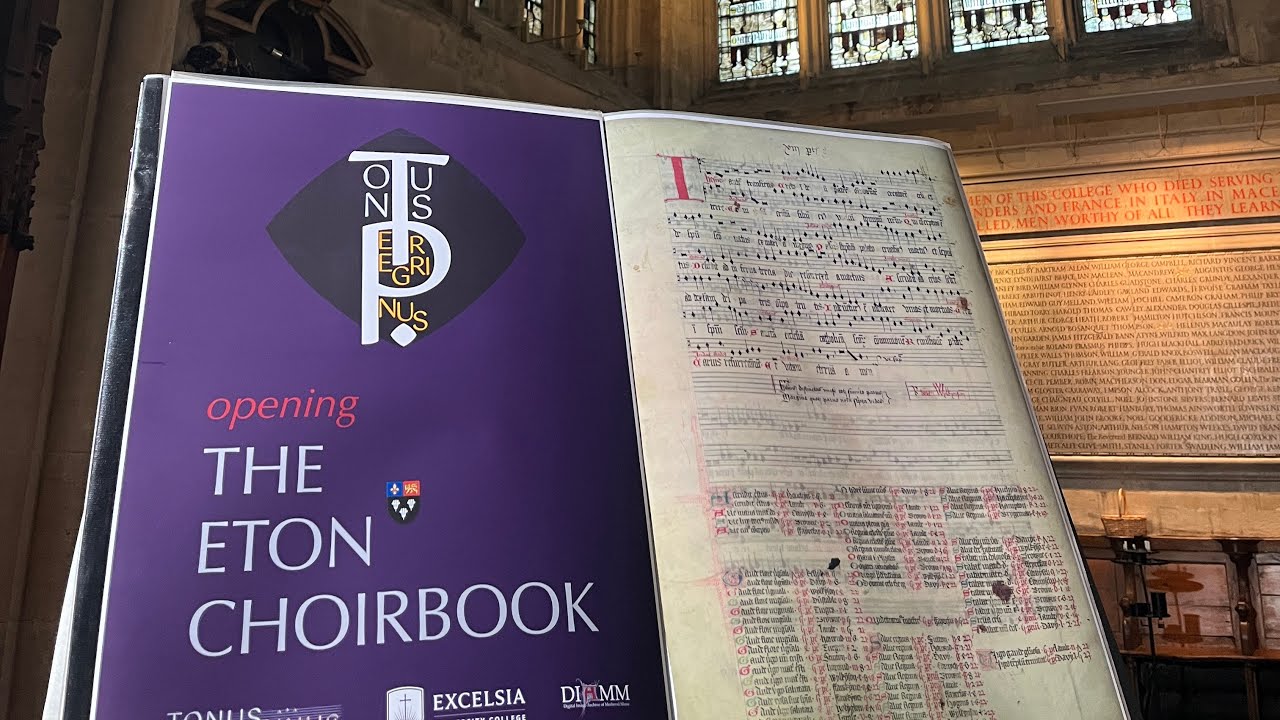
From 2001 to 2012 Tonus Peregrinus recorded a series of 'milestones of Western Music' for Naxos, including the first polyphony and music in four parts, Léonin / Pérotin Sacred Music from Notre-Dame Cathedral; the first-ever opera or musical comedy, Adam de la Halle: Le Jeu de Robin et de Marion; the first polyphonic settings of the Mass and the Passion, Mass of Tournai; the first new sounds of the Renaissance, Sweet Harmony – masses and motets by John Dunstaple; a re-invention of the first English hymnbook from 1623, Hymns and Songs of the Church; and perhaps the jewel in the crown, Music from the Eton Choirbook.
Tonus Peregrinus has a history of performing at extraordinary occasions such as the memorials for Alexander Litvinenko – a former audience member – and of putting on remarkable live productions such as a semi-staged version of the 14th-century Le Voir Dit by Guillaume de Machaut. Other innovative projects include The Naxos Book of Carols – circulated to millions of homes in the UK and available as a printed carol book; multiple mixes of the ensemble’s studio rendition of Tears for Fears’s Mad World; Antony’s oratorio-musical Jerusalem-Yerushalayim; and an authentic recreation of music from the Dow Partbooks around the table in Vinum et Musica.
Our breadth of perspective is reflected in the name of the ensemble, which comes from an ancient plainsong psalm tone with Jewish origins, directly linked to the Passover and the Last Supper. The tonus peregrinus chant starts on a different note in each half, hence 'wandering tone', and was nicknamed tonus novissimus, the 'newest'. Today, with new recordings of The Patmos Book of Carols and One Equal Music – 12 motets from Requiem for the Time of the End – our founding vision is as strong as ever: authentic & original.





Biography

Tonus Peregrinus was founded by Antony Pitts in 1990, during his studies at New College, Oxford, with Dr Edward Higginbottom, to record music for a large audience.
The ensemble now has a diverse discography on Hyperion, Naxos, and 1equalmusic. Acclaim in the BBC Music Magazine, Fanfare, Gramophone, and The Telegraph speaks for itself: 'utterly spellbinding', 'heatedly recommended', 'utterly beguiling', and 'gloriously sung by this superb choir', as does the prestigious Cannes Classical Award for the No. 1 album and debut release of Arvo Pärt: Passio, and Gramophone's 'Editor's Choice' for Passio and for the first Hyperion album of Antony’s music, Seven Letters and other sacred music.
At the core of Tonus Peregrinus are a dozen musicians – notably, Joanna Forbes L’Estrange, Rebecca Hickey, Kathryn Knight, Alexander L’Estrange, Richard Eteson, Benedict Hymas, Alexander Hickey, Alex Knight, Francis Brett, and Nick Flower – who combine their diverse expertise to interpret a repertoire ranging from the end of the Dark Ages through a wide range of 'Old Masters' to the latest scores. As an ensemble of friends over more than three decades, our experience ranges across the musical spectrum – from leading and singing in many ensembles, including directing The Swingle Singers, The Amaryllis Consort, and The Song Company, to spearheading music production and publishing at places as varied as Faber Music, Hyperion Records, and BBC Radio 3, as well as distinguished extramusical trajectories in law and beyond. When we gather to record in the studio or to perform live, these individual experiences combine to create our unique sound and style.
From 2001 to 2012 Tonus Peregrinus recorded a series of 'milestones of Western Music' for Naxos, including the first polyphony and music in four parts, Léonin / Pérotin Sacred Music from Notre-Dame Cathedral; the first-ever opera or musical comedy, Adam de la Halle: Le Jeu de Robin et de Marion; the first polyphonic settings of the Mass and the Passion, Mass of Tournai; the first new sounds of the Renaissance, Sweet Harmony – masses and motets by John Dunstaple; a re-invention of the first English hymnbook from 1623, Hymns and Songs of the Church; and perhaps the jewel in the crown, Music from the Eton Choirbook.
Tonus Peregrinus has a history of performing at extraordinary occasions such as the memorials for Alexander Litvinenko – a former audience member – and of putting on remarkable live productions such as a semi-staged version of the 14th-century Le Voir Dit by Guillaume de Machaut. Other innovative projects include The Naxos Book of Carols – circulated to millions of homes in the UK and available as a printed carol book; multiple mixes of the ensemble’s studio rendition of Tears for Fears’s Mad World; Antony’s oratorio-musical Jerusalem-Yerushalayim; and an authentic recreation of music from the Dow Partbooks around the table in Vinum et Musica.
Our breadth of perspective is reflected in the name of the ensemble, which comes from an ancient plainsong psalm tone with Jewish origins, directly linked to the Passover and the Last Supper. The tonus peregrinus chant starts on a different note in each half, hence 'wandering tone', and was nicknamed tonus novissimus, the 'newest'. Today, with new recordings of The Patmos Book of Carols and One Equal Music – 12 motets from Requiem for the Time of the End – our founding vision is as strong as ever: authentic & original.
Share this

Watch
 Thu, 7 May 2026
 St Martin-in-the-Fields, London
 7:30pm
 £10 – £36