
Richard MacKenzie
His many collaborations include The Sixteen, The King’s Consort, The Hanover Band, Ex Cathedra, The OAE, The City Waites (dir. Lucie Skeaping), The Royal Opera House, Opera North, and Shakespeare’s Globe (spanning seven productions and multiple workshops).
After his tenure as principal clarinettist of the NCO, Richard began playing the lute at age 15. Largely self-taught before attending Chetham’s School of Music for the sixth form, he later won a place to read music at The Queen's College, University of Oxford. Since completing his degree, Richard has released multiple acclaimed solo albums—including Il Rossetto, The Parisian Delight, Tombeaux, and Tales from Louvain—with the OUP’s Early Music journal stating, 'we hope for many more discs from him.'
In addition to collaborating on many well-received ensemble projects, Richard is a published reviewer and editor, including the publication of his first musicological work. He has performed at every major British early music festival and has been broadcast on BBC Radio 3's In Tune and Lunchtime Concert series on multiple occasions. Further media appearances include BBC Radio 4 with Andrew Marr and BBC Two’s London Calling with Jools Holland. His soundtrack credits include Bill (featuring the cast of BBC’s Horrible Histories), Draw on Sweet Night and The Four Warriors.
Richard enjoys teaching annually on the NORVIS and Higham Hall early music courses, where he directs singers and instrumentalists, accompanies lute songs, and performs. He also performs and teaches recorder, keyboards, clarinets, and chalumeaux, alongside academic music.


Biography

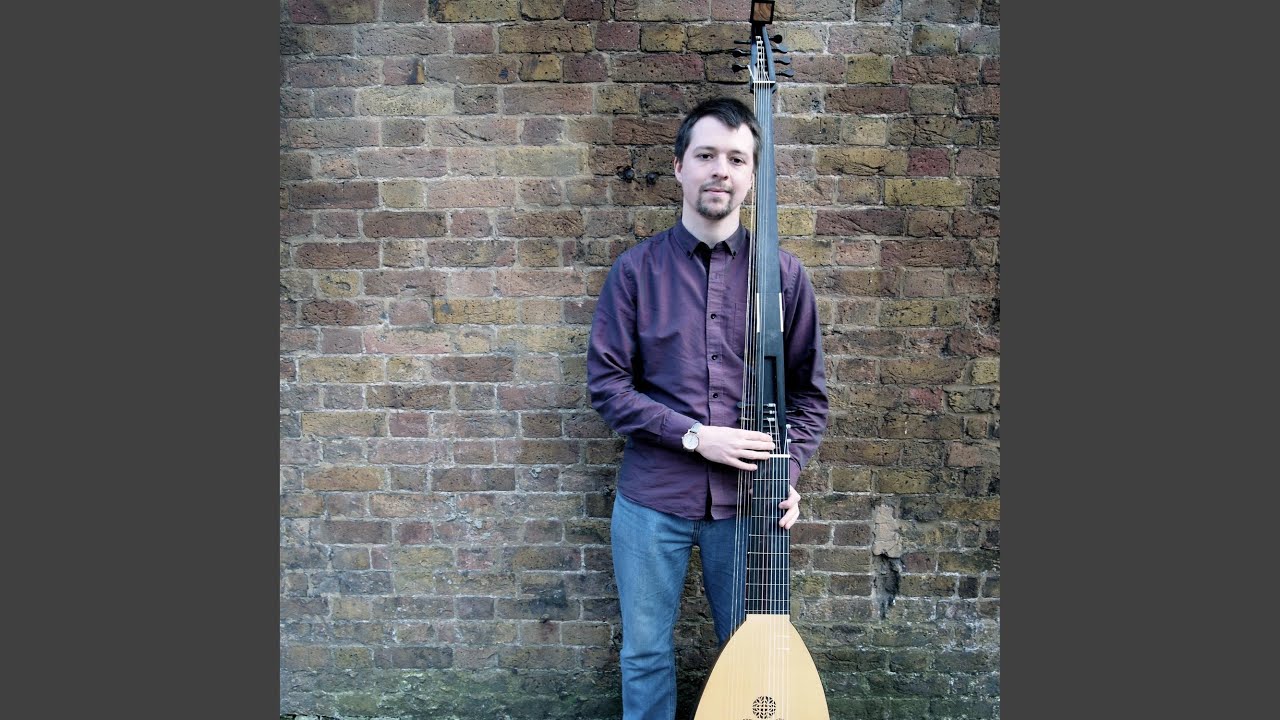
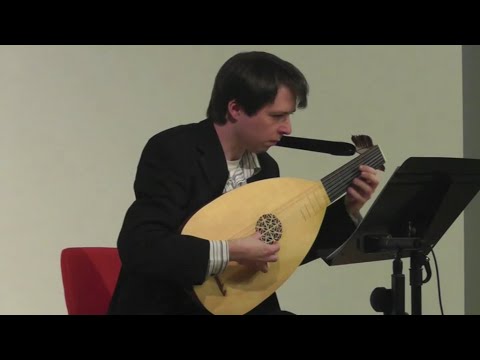
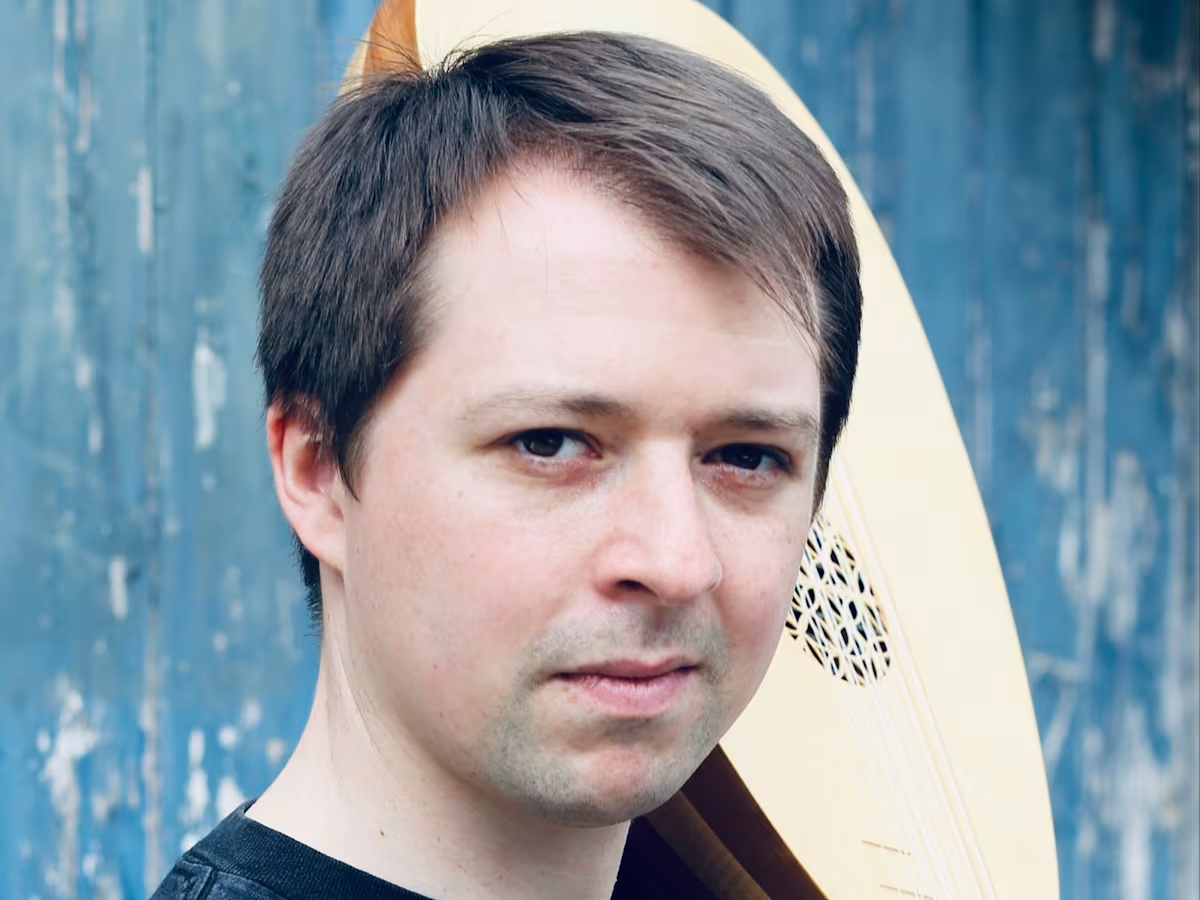
Critically acclaimed musician Richard MacKenzie (MA (Oxon), PGCE, QTS, LRSM, ATCL, NPQLT) is hailed as 'one of the rising stars of the British lute scene' by Early Music Today magazine. He is a sought-after soloist and collaborative artist on lute, theorbo, and early and classical guitars.
His many collaborations include The Sixteen, The King’s Consort, The Hanover Band, Ex Cathedra, The OAE, The City Waites (dir. Lucie Skeaping), The Royal Opera House, Opera North, and Shakespeare’s Globe (spanning seven productions and multiple workshops).
After his tenure as principal clarinettist of the NCO, Richard began playing the lute at age 15. Largely self-taught before attending Chetham’s School of Music for the sixth form, he later won a place to read music at The Queen's College, University of Oxford. Since completing his degree, Richard has released multiple acclaimed solo albums—including Il Rossetto, The Parisian Delight, Tombeaux, and Tales from Louvain—with the OUP’s Early Music journal stating, 'we hope for many more discs from him.'
In addition to collaborating on many well-received ensemble projects, Richard is a published reviewer and editor, including the publication of his first musicological work. He has performed at every major British early music festival and has been broadcast on BBC Radio 3's In Tune and Lunchtime Concert series on multiple occasions. Further media appearances include BBC Radio 4 with Andrew Marr and BBC Two’s London Calling with Jools Holland. His soundtrack credits include Bill (featuring the cast of BBC’s Horrible Histories), Draw on Sweet Night and The Four Warriors.
Richard enjoys teaching annually on the NORVIS and Higham Hall early music courses, where he directs singers and instrumentalists, accompanies lute songs, and performs. He also performs and teaches recorder, keyboards, clarinets, and chalumeaux, alongside academic music.
Share this

Watch