
Ensemble Tramontana
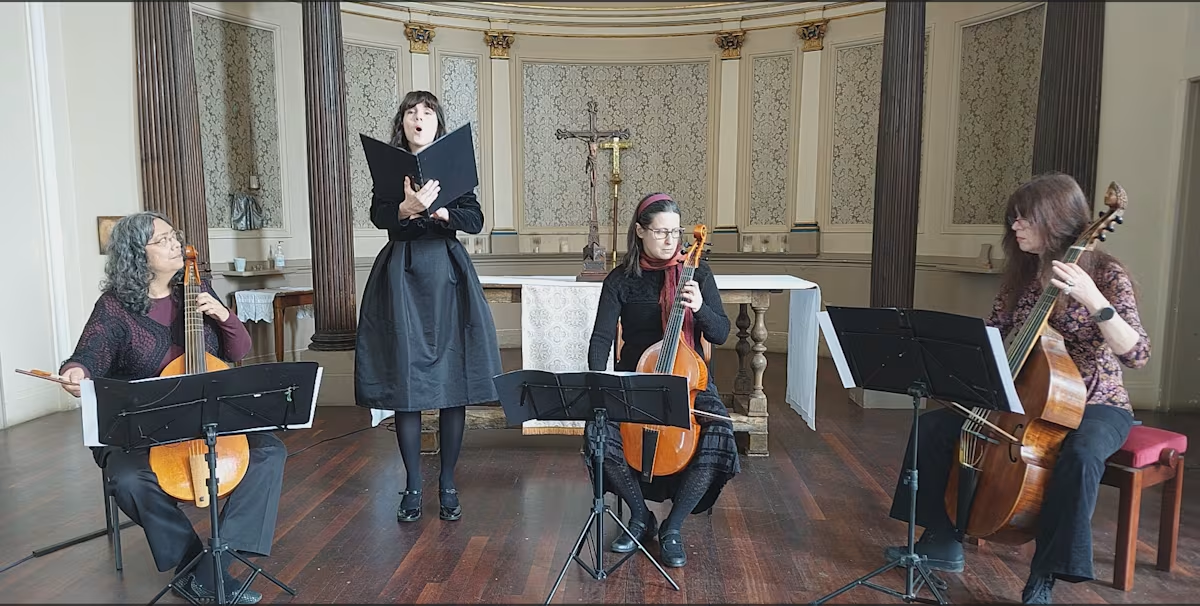
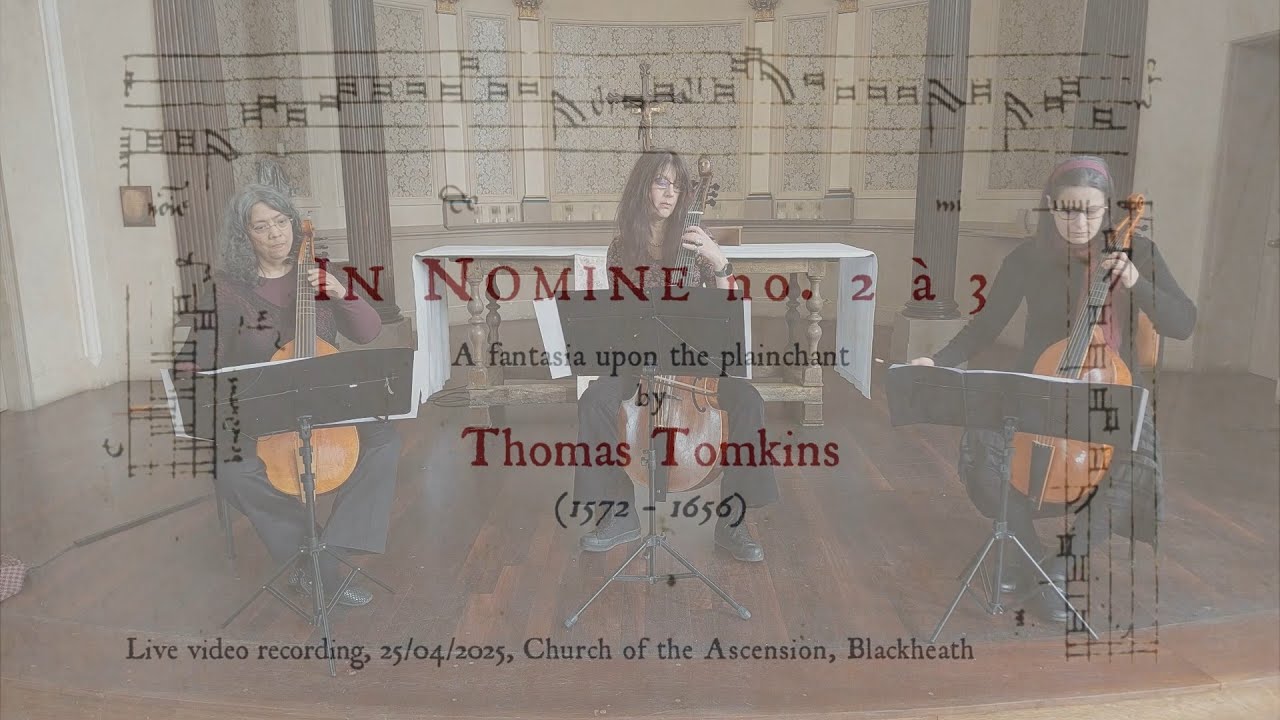
Like the tramontana wind, the ensemble's music sweeps across borders, stirring emotions and connecting cultures. As the group ventures along, it bring what instruments it can carry: primarily voices and viols, on occasion joined by vielles, recorders, crumhorns, drums, and more. A historically informed approach to the music is part of each programme, yet so is juxtaposing music and instruments from different times and places to create a journey through the human experience.
Medieval and Renaissance times, for all their differences, encompass a strong continuity of ideas as well. The group's interest in these division-crossing connections came before and yet resonates with the most recent turmoil over immigration and other struggles of separateness and belonging.
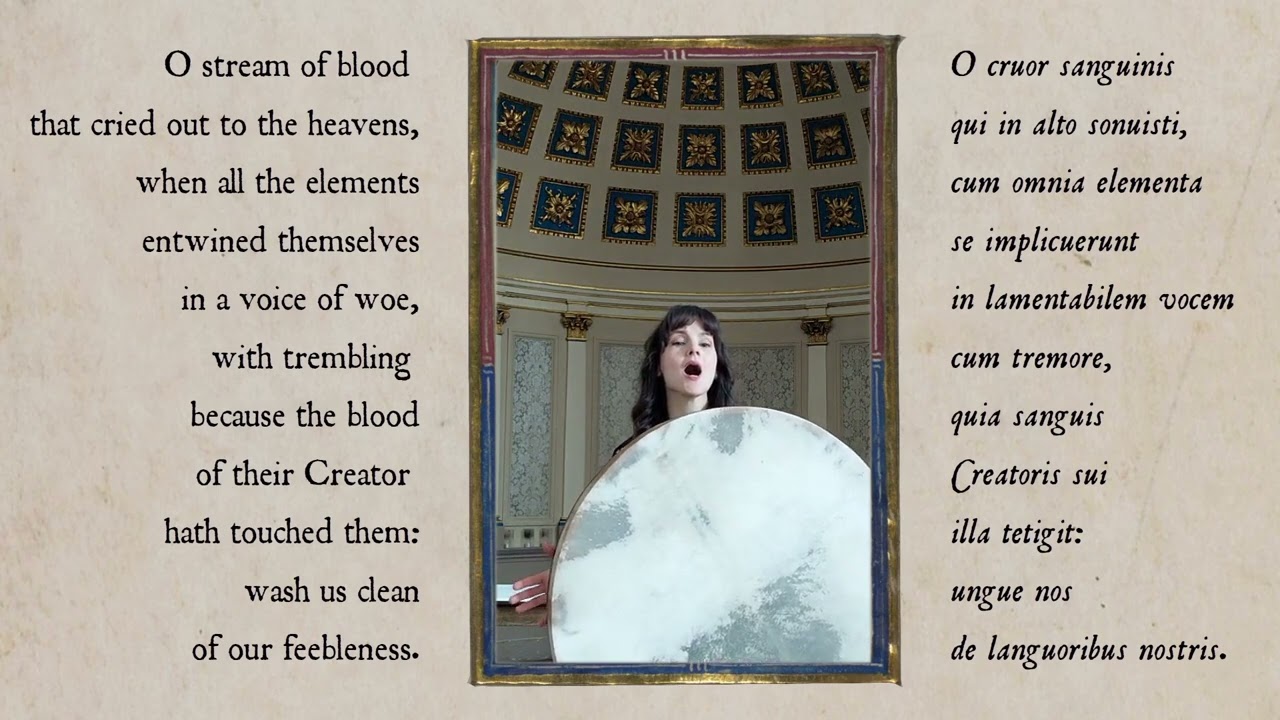
The founding members of the ensemble each came from elsewhere (some from other countries) to study at Trinity Laban Conservatoire of Music and Dance in London. In the Early Music Department there, they benefitted from the instruction of specialists including Belinda Sykes, Alison Crum, Philip Thorby, and Timothy Travers-Brown. In 2011 the group won the conservatoire’s Early Music Competition, which launched Ensemble Tramontana into the larger world. Now, further downstream, the group's core members are soprano Timea Gazdag and viol players Eszter Komáromi, Esha Neogy, and Amanda Seaborn. Most recently, their explorations have been joined by soprano and recorder player Shirley Vaughan, recorder players Paul Gregory and Matthew Male, and hurdy-gurdy player Talia Hunter.
Belinda Sykes called Tramontana 'an early-music crossover band', and a review by Early Music Today praised the group for ‘Wonderful ensemble playing and great programme planning.’



Biography

Voyages in Medieval and Renaissance Music of Europe: a wind and a star.
Like the tramontana wind, the ensemble's music sweeps across borders, stirring emotions and connecting cultures. As the group ventures along, it bring what instruments it can carry: primarily voices and viols, on occasion joined by vielles, recorders, crumhorns, drums, and more. A historically informed approach to the music is part of each programme, yet so is juxtaposing music and instruments from different times and places to create a journey through the human experience.
Medieval and Renaissance times, for all their differences, encompass a strong continuity of ideas as well. The group's interest in these division-crossing connections came before and yet resonates with the most recent turmoil over immigration and other struggles of separateness and belonging.
The founding members of the ensemble each came from elsewhere (some from other countries) to study at Trinity Laban Conservatoire of Music and Dance in London. In the Early Music Department there, they benefitted from the instruction of specialists including Belinda Sykes, Alison Crum, Philip Thorby, and Timothy Travers-Brown. In 2011 the group won the conservatoire’s Early Music Competition, which launched Ensemble Tramontana into the larger world. Now, further downstream, the group's core members are soprano Timea Gazdag and viol players Eszter Komáromi, Esha Neogy, and Amanda Seaborn. Most recently, their explorations have been joined by soprano and recorder player Shirley Vaughan, recorder players Paul Gregory and Matthew Male, and hurdy-gurdy player Talia Hunter.
Belinda Sykes called Tramontana 'an early-music crossover band', and a review by Early Music Today praised the group for ‘Wonderful ensemble playing and great programme planning.’
Share this

Watch